
Most Successful Female Producers In Hollywood

The film industry is notoriously male dominated, to such an extent that only 25% of Hollywood producers are female. Other professions within Hollywood are even less balanced, as we observed when we studied gender inequality in film last year.

While things are slowly improving with a few institutions trying to redress the balance (our own producing school is actively dedicated to this), sadly there still isn’t a gigantic pool of female producers at the upper echelons to list. That said, the names below are more than worthy of mention.

We’re not going to put the following list in ranked order, nor are we going to rate their success simply in terms of either critical or commercial performance. As far as we’re concerned, the work of any female producer in this (currently) gender biased industry should be equally celebrated, but the following five have had particularly notable careers to date.

Emma Thomas

As the saying goes, behind every great man is a great woman, and arguably the same is true of great movie projects and great producers.

We’ve previously covered the cinematic powerhouse that is Christopher Nolan and Wally Pfister, but what we didn’t have space to address in that post is the woman who brings their vision to life. Given the gigantic scale of the duo’s recent outings (namely Interstellar, Inception and the Dark Knight trilogy), this is no small feat, but Nolan’s spouse, Emma Thomas, has consistently risen to the challenge.

While Thomas remains quiet about her own role in the filmmaking process (and Nolan never speaks of family life or personal relations), she has never dropped the ball when it came to commanding a budget of hundreds of millions and turning it into a return of billions. Along with the exemplary critical reception her work has garnered, there are very few producers – not just those of the female persuasion — that can be seen as having the same level of success as Thomas.

Darla K. Anderson

To date, the only Pixar animated feature created under the helm of a female director is Brave. Given that the Scottish anti-princess tale was widely applauded for its depth and positive feminist message, hopefully the studio will address the gender imbalance going forward.

To the general audience hers may not be a household name (other than the Finding Nemo character which was named after her in retaliation for a practical joke), but lurking amongst Pixar’s animation team is the very underrated female producer Darla K. Anderson, who has produced some of the most recognizable titles in the Pixar filmography: A Bug’s Life, Monsters Inc., Cars and the third instalment in the Toy Story franchise.

In fact, Anderson has the highest average movie gross in her role as a producer (of any genre) at $221 million per flick (according to Guinness World Records in 2008), and the combined gross of the four aforementioned movies stands at well over $2 billion. While this was mainly thanks to the success of Toy Story 3, given how undeniably brilliant it was, we can’t wait to see what she does next.

Megan Ellison

Ellison has only been on the producing scene since 2010, but has already chalked up numerous Golden Globe and Academy Award nominations and landed herself on Time’s 2014 list of Most Influential People in the World.

A lot of Ellison’s appeal is for her unflinching bravery when it comes to personally financing and producing projects in which lesser mortals would be afraid to invest, before turning them into multi-million grossing Oscar magnets. Her recent films include Zero Dark Thirty (2012), Her, (2013) and American Hustle (also 2013) are superb examples of this.

Next up, Ellison will be producing a film based on the life of WikiLeaks founder, Julian Assange. She also managed to impressively outbid Lionsgate for the rights to the next Terminator reboot.

Nina Jacobson

There are few commodities as hot as young adult literature adaptions right now, and Jacobson was pretty much the first to both kickstart and capitalize on the trend.

Following lengthy and successful stints at Universal, Dreamworks and Disney (notably working on M. Night Shyamalan’s earlier movies before parting ways under creative differences) Jacobson went on to set up her own production company, Color Force, in 2007. Solely under her own steam, Jacobson’s career entered into a new era adapting books into huge franchises. The biggest among them is the global smash Hunger Gameswith that series soon coming to a close, all eyes are on Jacobson to see where she’ll go from such great heights.

Kathleen Kennedy

Kennedy initially started out as Steven Spielberg’s secretary, but it wasn’t destined to be her line of work — she was, by all reports, an atrocious typist.

The only reason she kept her job was thanks to the sporadic production input she gave. Spielberg saw great worth in these nuggets of inspiration, and hired her as an associate producer for Raiders of the Lost Ark.

It was a decision that went on to pay dividends for Lucas, and indeed the wider industry. Kennedy co-founded Amblin Entertainmenta production company with a filmography no one-line summary could do justiceand personally had a hand in producing some of the most famous flicks in family enterntaiment (E.T, Back to the Future, The Goonies, Jurrasic Park, Hook) as well as some major war-time heavy hitters such as Schindler’s List, War Horse, Munich, and Persepolis.

With over 120 Academy Award nominations, 25 wins and over $11 billion in gross box office takings, she’s already one of the most successful female producers in Hollywood, but her next project is perhaps the biggest job (by any measure) a producer could be tasked with.

As the president of LucasFilm, she has been entrusted to produce the next Star Wars movie…

… no pressure, Kathleen.

Our three-year accelerated BFA in Producing program prides itself on its inclusive and diverse student body learning through an intensive, hands-on approach that allows for students to develop the organizational, management, and leadership skills necessary for a career in production.


Top Twitter Accounts for Game Designers to Follow

Want to make video games and break into the game design industry? One of the best ways to do that is to stand on the shoulders of giants and learn from people already in the industry.

Gone are the days when games were made in isolation by one person in a garage, and most game designers have social media accounts. Here are some Twitter accounts to help you keep up with developments in the video game industry.

Top Twitter Accounts for Game Designers to Follow

New York Film Academy
@NYFA

If you’re not following us already, you definitely should! Our own game design school offers some of the best programs in the country, so our official Twitter account is a good source for tweets related to careers in video game design.

Santa Monica Studio
@SonySantaMonica

Santa Monica Studio has made some of the Playstation’s most popular games, including the God of War series and Journey. Many of its tweets relate to game design and game design tutorials.

Brian Upton
@bbupton

Brian Upton is the senior game designer at Santa Monica Studio and has published a book on game design, The Aesthetic of Play. His account is filled with thoughts about game design and the aesthetics of design, making his one of the top Twitter accounts for game designers to follow.

Gamasutra
@gamasutra

Gamasutra is a web site dedicated to the “art and business of video games.” It’s chock full of articles related to game design and the video game business, and following Gamasutra’s Twitter account is a good way to keep up with its content.

Josh Taylor
@JoshTaylor0605

Josh Taylor is an independent game developer and entrepreneur. His Twitter stream is filled with useful links to articles and videos focusing on the business of game design and development.

YoYo Games
@YoYoGames

One way to make a video game is to program one from scratch. Another way is to use a game creation program such as GameMaker: Studio from YoYo Games. Follow YoYo Games’ Twitter account for tutorials on making games, as well as news related to indie game development.

Unity Technologies
@unity3d

The Unity Engine is a popular cross-platform tool for making video games. Its creator, Unity Technologies, keeps abreast of news in the game development industry on its Twitter account and is a rich source for such news.

RPG Maker Web
@RPGmakerweb

One of the most popular genres of video games is the role-playing game, and one of the quickest ways to make an RPG is with a software program such as RPG Maker, which provides the tools for both programmers and non-programmers to make a full-featured RPG. Follow this account not just for specific information about RPG Maker, but for information about game development in general.

David Rosen
@Wolfire

David Rosen is the founder of indie game developer Wolfire Games and has extensively documented the development of their upcoming game Overgrowth. Budding game designers will be interested to see how Rosen approaches various challenges in designing Overgrowth, from graphics to documentation.

Game Informer
@gameinformer

Game Informer is an extensive video game news website covering all aspects of the video game industry, including game design and development. As a result, they run one of the top Twitter accounts for game designers to follow.

Taught by industry-leading faculty in the field of game design, our variety of video game design programs teach students the fundamentals of artwork and storytelling for video games. Visit our Game Design Discipline page to learn more.

Interview With Editor Leander Sales

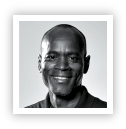
Leander SalesNYFA: Hi Leander, would you mind telling us a bit about your background and what drew you to filmmaking and editing in particular?

Leander Sales: I was born in Winston-Salem, NC. I attended University of North Carolina School of the Arts for a year then decided to move to New York City. I was very restless and desperate to see the world. After living in NYC for almost two years, I moved to Florence, Italy for two years. While in Florence, I attended an Italian language school, Centro per Stranieri. We had to watch a lot of Italian films as a way to constantly train our ears to the language and appreciate some of the Italian cinematic classics. These movies were very fascinating to me. Being in another country, having to deal with another culture, taught me so much about myself. I met many Italians who had many questions about America, about me, about slavery, American racism, Michael Jackson, Michael Jordan, Jazz music. It was very rare for them to have an African-American living in Florence for two years. In fact, there was one other African-American living there for so long, about four years by the time I met her, Charlitta. She was an artist living there with her African boyfriend and we got together often to talk about everything under the moon. At some point, I came across a book, This Life, an autobiography about Sidney Poitier. I remember he wrote the best place to learn filmmaking is in the editing room. I had no idea of what an editing room was. I thought the director just went out and shot exactly what we saw on the screen. This made me very curious because I think Sidney Poitier is pretty smart and talented and if he said the best place to learn filmmaking is in the editing room then it must be true. I had not decided to become a filmmaker at this point but that phrase set off an insatiable curiosity. What is this editing room that Mr. Poitier says is so important?

NYFA: You started as an apprentice sound editor on Spike Lee’s School Daze. How did you land that job?

LS: I told my uncle, Ron Dortch, who’s a wonderful actor, about Sidney Poitier’s book and what he said about the editing room and my uncle told me he knew a sound editor. I bugged him to introduce me to him. His name was Rudy Gaskins. I asked him to let me sweep his editing room or run errands for him just so I could hang around his editing room. That didn’t workout because he was finishing the film he was working on and there was nothing to do, but he would keep me in mind since I was willing to work for free. What I didn’t know is that Rudy had gone to NYU with Spike Lee. A few weeks passed and I got a call from Rudy who was going to be working on School Daze and Spike would be looking for an apprentice sound editor. He gave me Spike’s office number. I called the office immediately and asked to speak with Spike. His office manager, Tracy Willard, told me to hold on and surprisingly, Spike came to the phone. I introduced myself and told him I would like to apply for the apprentice sound editing job. He told me to get in touch with Maurice Schell, the supervising sound editor. Tracy gave me the number and I called Maurice Schell and set up an interview. During the interview, he asked me what I had worked on and the room fell silent. I felt embarrassed. Maybe he noticed me squirming and searching for something to impress him. I said, “I’ve worked on nothing. You see, the last two years I’ve been traveling.” The entire fifteen minute interview, we talked about traveling, places he had traveled and places I had traveled. I think he spoke French because he had spent some time in France. I left his office thinking I wouldn’t get the job because I’d never worked on anything. I had no editing experience. A few days later, he called to tell me I got the job and it was a four month schedule and asked if I was available for the entire time. Hell yeah!!!! I was so excited! I was on time every day and didn’t mind working late. We were working at Sound One which has since gone out of business. I loved going to the Brill Building, 1619 Broadway, 7th floor. This is the building where Miles Davis met Duke Ellington for the first time. I met so many wonderful people in that building. After School Daze ended I worked on Full Moon Blue Water and met the legendary producer David Brown who is now deceased. After that movie, I got a call from Barry Brown, who had edited School Daze. He wanted to know if I was available to work on Do the Right Thing as apprentice picture editor. Hell yeah!!!!

NYFA: With Do the Right Thing recently celebrating its 25th anniversary last year, what opportunities do you see for African-American filmmakers that didn’t exist in 1989?

LS: More people are making digital movies and those directors and producers need editors. Filmmakers are crowd funding to get their movies made. There are reality shows and I know some African-American editors who are getting opportunities there. The are webisodes. There’s Netflix, Hulu and other internet companies producing original content and they all need editors. There are way more opportunities today.

What hurdles still exist for getting black voices on screen?

LS: There are still hurdles getting those stories on the screen. George Lucas couldn’t get a studio to back Red Tails, the story of the Tuskegee Airmen. He financed it himself. Selma is a great movie directed by Ava Duvernay, an African-American female director. Kevin Hart is building his brand. I’m very proud of Shonda Rhimes and what she’s doing on network TV. She’s a very talented writer/producer/showrunner. Lee Daniels’ new show Empire is doing great in the ratings. The Walking Dead has a very diverse cast. Ernest Dickerson, Spike’s former director of photography, directs some of those episodes. The small screens are more diverse than the big screen. Let me go in another direction for a minute. We have our first African-American president and Black people are under attack, especially Black males. For us, the question is bigger than Hollywood. We have to worry about returning home alive. We still have a long way to go.

NYFA: What did you learn working as an associate and assistant editor on such films as Malcolm X and Crooklyn that you found yourself applying as the editor on feature length films like Get on the Bus and the documentary Hookers at the Point?

LS: Working on those movies taught me about process and shaping the story. Each one had its own process. We would spend months editing, then we would do test screenings for the studios. That’s when we would screen for audiences who would fill out a questionnaire and then do a focus group Q and A. I found that part of the process to be very interesting. I loved watching people respond to the movie. I’m always thinking how an audience is going to respond to the movie I’m working on. It’s like sending your child out into the world. I hope they find wonderful friends to love them.

NYFA: You’ve worked extensively as a film editor, but also have directed two of your own films that were well-received, The Life I Meant to Live and Don’t Let Your Meat Loaf. What themes or messages do you seek to get across in your filmmaking?

LS: Don’t Let Your Meat Loaf was about three young comics trying to start a comedy club and failing, but not giving up. I think it’s important to get up after falling down. We’re all going to fall, but we’re not all going to get up. I want to be with the people who get up and keep going. I try to surround myself with people who get up after failure. Those people who stay down sometimes want you down there with them to keep them company. Life is way too short for that kind of pessimism. By nature, I’m a very optimistic person. The Life I Meant to Live is about living your life to the fullest. Most people don’t enjoy what they’re doing. I’ve been lucky enough to have found something that I really love. I’ve been to Africa six times and I know exactly who I am. When I think of our history, I think beyond slavery because I’ve been to Senegal, Ethiopia and Eritrea. I made some great discoveries about myself while traveling in Africa. People would look at me and start speaking to me in their native tongue. That’s a great feeling. To me, it says welcome home. You’ll notice that I have a habit of drifting into very personal stuff that you didn’t ask, but I think filmmaking is very personal. I wouldn’t want to work with a filmmaker who didn’t have a point of view.

NYFA: How do the skillsets required to see a film from pre- through post-production differ from those required of editing?

LS: When I’m directing, I’m thinking about editing and sometimes run the edit in my mind while I’m shooting, then when I actually start editing, I have to be objective. I always show the edit to someone who wasn’t part of the process in any way. I’ve even shown cuts to Facebook users who don’t know me. It’s easier to be objective when I’m not the director. The skillset as a director is having a vision and being passionate enough to see it through to the end. The skillset as an editor is to be an objective storyteller.

NYFA: Both in your work with Spike Lee and other filmmakers, what is an essential lesson you’ve learned in your career as an editor that you continue to apply to your work today?

LS: Nothing is too precious. If it’s not working, then cut it out. Some directors have to live with the footage for a certain amount of time before they’re ready to reshape the movie. The editor has to be sensitive to that process and the director has to trust the editor because they both should be trying make the best movie the footage will allow.

NYFA: You’ve worked with both traditional film editing and digital film editing. What are the main differences/advantages/disadvantages you’ve found in making the transition to digital?

LS: I had no problems going digital, but I’m glad I learned on film because shooting film is expensive and it really forces you consider what’s essential to the story. Syncing the footage took way longer in traditional film editing. Syncing digitally is super easy, screening digital dailies takes longer because much more is shot. On the flip side of that, I love the fact that anybody can pick up a camera or cell phone and go make a movie. Sometimes when I’m watching the news and someone records some incident on their cell otherwise we would’ve never seen. Very empowering.

NYFA: What film editors and/or filmmakers do you personally look up to, past and present?

LS: I am thankful to the filmmakers who took the time to train me, Kevin Lee (not related to Spike), Rudy Gaskins, Tula Goenka, Barry Brown, Sam Pollard, and Spike Lee. I respect many people, but it’s different when someone takes the time to get to know you and teach you.

NYFA: In teaching digital editing at NYFA, what do you think is the most crucial element or theory for students to understand about the editing process?

LS: I think it’s important to start with something you are passionate about. Passion goes a long way. I think we’re all experts at something. I love it when a student invites me into a world they are passionate about. Most teachers like learning knew things.

NYFA: It’s often said there are three distinct phases in creating a film: writing the script, filming the script, and then editing the footage. How would you define the role of an editor and how central is the editor in shaping the final tone and feeling of a movie?

LS: No audience wants to see your dailies. They only want to see a story that’s gone through the editing process. That tells you how important an editor is to the filmmaking process. There’s something magical about editing. Along with the director or producer, we select the best performance, shape the story, then pace it. If the audience is talking about the editing then we have not done our jobs well. They should be talking about the characters and the story.

NYFA: What is the best way to learn the craft and what tools should every aspiring editor be familiar with?

LS: Working as an assistant editor to a nurturing editor is the best way to learn the craft. Learn Avid, FCP and Premiere Pro, Protools but remember those are only tools to show people the art of storytelling that comes from your soul.

NYFA: Do you have any parting advice for students and individuals seeking a career in editing?

LS: Live your life to the fullest and at the end of the day you may have something to say.

Movie Marketing: Video Game Tie-Ins Done Well

Gaming tie-ins for movie franchises have existed for nearly as long as people have been playing video games. When done well, these media can blend to create a hybrid marketing approach that will reach a wide audience.

The most common and familiar method of video game marketing is the tie-in game, which is produced and sold after the movie is released. A more recent trend in video game film marketing is more creative and flexible: creating social games to entice casual gamers. Facebook games and smartphone apps reach a wider potential audience than console games, and they can generate a sort of viral marketing frenzy that any film marketer would be glad to launch.

Social games usually rely on player interaction to solve puzzles or complete basic adventures. When these games are designed around a film or television show, they can incorporate elements of the story into the game to pique the player’s attention and create a sense of investment. Because of the social element of casual gaming, these apps entice players to talk about the game and its associated film, which can generate much-needed word of mouth and marketing buzz. This effect is multiplied when the game requires a collaborative effort for fans to solve clues or puzzles related to the game.

Successful Video Game Marketing Campaigns

Recently, The Fast and the Furious 6: The Game has earned a healthy following of casual players. Other successful casual gaming franchises include the nine-week episodic Salt tie-in, Day X Exists, and Disney’s Tron-based social game. Television shows like Dexter and Spartacus have also employed the casual gaming strategy to keep fans engaged between seasons, and the console adaptation of The Walking Dead earned an incredible amount of critical acclaim.

Of course, there are some limitations to what these games can do for a film. For the most part, video game tie-ins of all kinds primarily attract dedicated fans. It’s unlikely that someone unfamiliar or uninterested in an upcoming film will seek out these games, and most of the hardcore player base will be made of people who had planned to see the film anyway.

Where the marketing potential comes is from the friends and acquaintances of these die-hard fans. As these people see their friend playing the game, they may develop some curiosity for the game itself or the world it’s set in. If nothing else, they’ll have some name recognition for the film when it’s released.

Tips for Creating a Promotional Game:

  • Keep the target audience of both the film and game in mind. Certain types of games appeal more to certain demographics in players, and it won’t help you to market a film to players who won’t be interested in watching it. Unlike console games, a large percentage of social gamers are women. Social gamers also span a wide age range.
  • Match the tone of the game to that of the film. You don’t want to misrepresent the film by creating a game that’s wildly different, even if the game itself is quite good. A fun, lighthearted social game will not generate the right audience for a gore-heavy action thriller.
  • Provide an ample budget for the game and find a good developer, ideally one who has graduated from game design school or at least has a lot of prior experience. If you can’t afford to make a high-quality marketing game, it’s best not to attempt it at all. A badly made or overly cheesy game runs a high risk of creating a negative image for your film before it even comes out, which can drive away viewers who might otherwise have been interested in the movie.
  • Whenever possible, reward players for following through at the box office. With mobile devices becoming increasingly popular gaming platforms, it’s easy to provide rewards to your players. Try incorporating a code that will unlock a bonus level or special perks and make that code available only to people who watch the film. Before the movie starts, have the code displayed for viewers to input on their phones, or enable the ability to text before or after the film to receive special perks.

Video game marketing is not the right strategy for every film, but it can be a very powerful tool when used correctly and aimed at the right audience. Putting some careful thought into the benefits and logistics of developing a tie-in game can lead to substantial rewards once the film has been released.

6 Games That Make 2015 The Year Of Big-Budget Video Game Sequels

It’s always fun to see a new big-budget IP release that blows us away with new characters, unique ideas, and irresistible gameplay. In 2014 alone games like Titanfall, Destiny, Sunset Overdrive, and Watch Dogs came out to entertain us in exciting new ways while at the same time each cementing themselves as the start of what will no doubt be a long-running game series.

While this year is shaping up to give us plenty of AAA games set in brand new worlds, 2015 will arguably be known for delivering more anticipated sequels than we ever expected in a single year. Best of all, most of them will be releasing on PlayStation 4 and Xbox One, no doubt convincing millions of gamers across the globe that it might just finally be time to make their console upgrade.

Below are six of the biggest sequels that are currently set to debut in 2015. It goes without saying that these titles will be heavy contenders for many Game of the Year awards if they deliver what we expect from a sequel years in the making.

Batman: Arkham Knight

While Marvel continue to struggle in the video game department, DC’s Caped Crusader has seen tremendous success in the hands of Warner Bros. Interactive Entertainment. Both Arkham Asylum and Arkham City have been called some of the best comic book superhero games ever made, both winning countless awards that include Game of the Year from various media outlets.

Now Rocksteady Studios is getting ready to deliver the highly-anticipated finale to their Arkham trilogy that will also serve as their last Batman game. Arkham Knight has already wowed us with impressive trailers and gameplay footage that show Batman using a number of new gadgets. But easily the most exciting thing is the ability to finally control the Batmobile to traverse Gotham as well as use it in combat.

Final Fantasy XV

It’s hard to deny the impact Final Fantasy has had on not just the RPG genre but the entire gaming industry. Although it doesn’t have the influence it once did, this long-lasting series has provided some of the most memorable gaming experiences across countless video game consoles.

In 2015 we’ll be getting the latest entry that’s set to stray away from the traditional turn based system that Final Fantasy is known for and instead take an action oriented approach. The fact that it bears striking resemblance to Kingdom Heart and Lightning Returns’ gameplay has many fans very excited about this long-awaited title.


Halo 5: Guardians

It’s hard to believe that it’s been 15 years since Bungie made us need an Xbox by releasing Halo: Combat Evolved. Since then we’ve had the pleasure of enjoying countless entries in the famed first-person shooter series that each have provided addicting multiplayer coupled with a captivating story campaign.

Now 343 Industries continues the legendary series with Halo 5: Guardians, the very first Halo title built from the ground up for Xbox One. While the community is already raving about the multiplayer after a 3-week beta test, most of us can’t wait to see the next chapter in Master Chief’s new adventure.

Uncharted 4: A Thief’s End

Naughty Dog has provided us with some of the most exciting third-person adventure games via their Uncharted series. Whether you were completely enchanted by Nathan Drake’s storyline or competing to see who was the best in online multiplayer, Uncharted is without a doubt one of the most beloved series on Sony’s consoles.

Uncharted 4 is the latest entry and first to release on the Playstation 4, meaning we can expect breathtaking visuals throughout the adventure. The subtitle “A Thief’s End” has only served to spark even more anticipation as it could very well spell the last adventure for the series’ longtime protagonist, Nathan Drake.

Metal Gear Solid V: The Phantom Pain

When it comes to wrapping together complex storylines, engrossing gameplay, and over-the-top cutscenes, few can compare to the Metal Gear series. The franchise may have started during the NES era but it wasn’t until Playstation’s Metal Gear Solid that fans started worshipping Kojima for his ability to deliver a game with plenty of character and energy.

Although several games set in the Metal Gear universe have released since 2008’s Metal Gear Solid 4: Guns of the Patriots, fans of the chaotic series are anxious to finally play the fifth entry in the beloved franchise.

The Phantom Pain continues the saga of Snake by not only connecting several storylines together from previous games but giving us some of the sharpest gameplay we’ve seen from a tactical third-person game, as many saw first hand with last year’s Ground Zeroes.

The Legend of Zelda for Wii U

What’s there to say about The Legend of Zelda other than it’s quite possibly one of the most adored and influential series in all of gaming. Few other game series have managed to deliver the high-quality action adventure experiences on just about any console or device it was released on.

Four years after Skyward Sword we’ll finally be taking Link on another undoubtedly awe-inspiring adventure, this time with an emphasis on open-world exploration. We can’t wait to get lost within the story and world of what’s sure to be another classic Zelda game, especially with interesting new controls via the Wii U Gamepad.

[su_note]Work on the next great video game series, or create your own. Learn more about the game design school at the New York Film Academy (campuses in New York and Los Angeles). [/su_note]

10 Best Twitter Accounts EVERY Animator Should Follow

Animation is a big business these days. Many of today’s top television series and major motion pictures are animated, and there’s a high demand for animation professionals. One of the best ways for both up-and-coming animators and current professionals to stay on top of news in the animation industry is through social media,  so without further ado…

10 Best Twitter Accounts EVERY Animator Should Follow

New York Film Academy
@NYFA

New York Film Academy’s own 3D animation school has helped countless students achieve success with animation, so our Twitter stream is a good start for gleaning news about the entertainment industry in general and the animation world in particular.

Autodesk
@autodesk

Autodesk makes Maya, a 3D animation software platform widely used in the animation industry and widely taught in film and animation schools. Autodesk’s Twitter stream posts everything from tips to using Maya to news in the animation world, so it truly is one of the essential Twitter accounts every animator should follow.

3D Printing Industry
@3dprintindustry

Technology affects every field of the entertainment industry, especially animation. In the past decade, 3D printing has emerged as one of the fastest-growing technologies, and savvy animators will want at least a passing knowledge of news from the 3D printing world. 3D Printing Industry keeps track of such news.

hitRECord
@hitRECord

Founded by actor Joseph Gordon-Levitt, HitRecord bills itself as an “open collaborative production company.” Creators of all types, including animators, can contribute material and collaborate with other creators on various projects, from books to movies. HitRecord’s Twitter stream is a good source for seeing what projects need animators.

Lino DiSalvo
@LinoD

Lino DiSalvo is a veteran animator at Walt Disney Animation Studios and was the head of animation for Frozen. His inside expertise in the animation world makes his Twitter stream one of the most useful accounts for animators to follow.

Disney Animators
@DisneyAnimators

Although not an official Disney account, the Disney Animators’ Twitter feed collects the thoughts of animators working at Walt Disney Animation Studios.

 Jessie
@jslipchi

Jessie Slipchinsky is a freelance animator who has also worked for Disney, and her account provides a candid, slice-of-life look into the life of a working animator.

Animation Jobs
@animationjobs

Looking for a job as an animator? Animation Jobs does what it says on the tin, keeping a running list of openings for animators. If you’re looking for paid positions or are soon to graduate, this is pretty much the best Twitter account an animator can follow.

Bardel Entertainment
@bardelent

A Vancouver-based animation studio, Bardel Entertainment has worked on various projects for Nickelodeon, Disney, and the Cartoon Network, to name a few.

Animation World
@AnimationWorld

Animation World Network is an animation news site dedicated to the animation industry. Its website is one of the best sources for up-to-date animation information, and its Twitter stream is a quick way to keep tabs on new articles.

This concludes our list of Twitter accounts every animator – professional or hobbyist – should follow, but feel free to add your own to the list via the comments below. In the mean time, be sure to check out our guide to the various types of animation jobs in the industry.

10 Best Twitter Accounts for Broadcast Journalism

Many of us get our daily news from television networks such as CNN and MSNBC, so it’s no surprise that broadcast journalism is an attractive career choice for those studying journalism (whether they want to work on camera or behind the scenes.) It’s also a fast-moving field by its very nature, so keeping a finger on the pulse is essential; Twitter is arguably the most effective way of doing so, so to assist budding broadcast journalists we’re pleased to present:

The 10 Best Twitter Accounts for Broadcast Journalism

New York Film Academy
@NYFA

New York Film Academy’s Broadcast Journalism School offers several courses in broadcast journalism that prepare students for careers in the broadcast industry. Follow our Twitter account for news and tips related to broadcast journalism.

Joelle Garguilo
@JoelleGarguilo

Joelle Garguilo studied broadcast journalism at the New York Film Academy and went on to a successful career in the field. She currently works for NBC’s Today Show and New York Live.

JournalismJobs.com
@jjobs_tweets

Looking for a job in broadcast journalism? This is one of the best Twitter accounts for broadcast journalism jobs, so do follow if you’re looking for frequent job postings appearing in your feed.

Brittany Haviland
@bhaviland

Brittany Haviland is a producer for NBC’s Today Show and offers a lighthearted, behind-the-scenes look at the Today Show.

TVNewsCheck
@TVNewsCheck

TV News Check is dedicated to the “business of broadcasting” in all of its aspects, including broadcast journalism. Its Twitter feed is a good way to keep up with news and job postings related to broadcast television and journalism.

Wolf Blitzer
@wolfblitzer

Often accused of inventing his name for television (he didn’t), Wolf Blitzer is one of the big names in broadcast journalism. His career is a model for study and inspiration for those who dream big about having a career in broadcast news.

Melanie Bromley
@melaniebromley

Broadcast journalism isn’t just about politics and current world events. Many broadcast journalists work in entertainment news. Melanie Bromley is the chief news correspondent for E! News and delivers news from the entertainment industry to a wide audience.

The Weather Channel
@weatherchannel

Weather is big news, and many of us get our weather news from broadcast television. The success of The Weather Channel shows that weather journalism is an important aspect of broadcast journalism.

Hannah Storm
@HannahStormESPN

The popularity of sports has made sports journalism a major field in broadcast journalism. Hannah Storm’s career in sports journalism spans decades, and she has worked for CNN, NBC, and ESPN.

Leo Laporte
@leolaporte

Leo Laporte is one of the leading broadcasters in technology news. Well known for his work on ZDTV, Laporte now owns TWiT.tv, an online podcast network hosting a variety of shows dedicated to technology news.

So there we have it – the 10 best Twitter accounts for broadcast journalists (and students thereof). Looking to dig even further into the industry? Check out our guide to the various broadcast journalism jobs which are currently hiring.

Creating A Successful Self-Produced Show; Interview With NYFA Graduate Corey Scott Rutledge

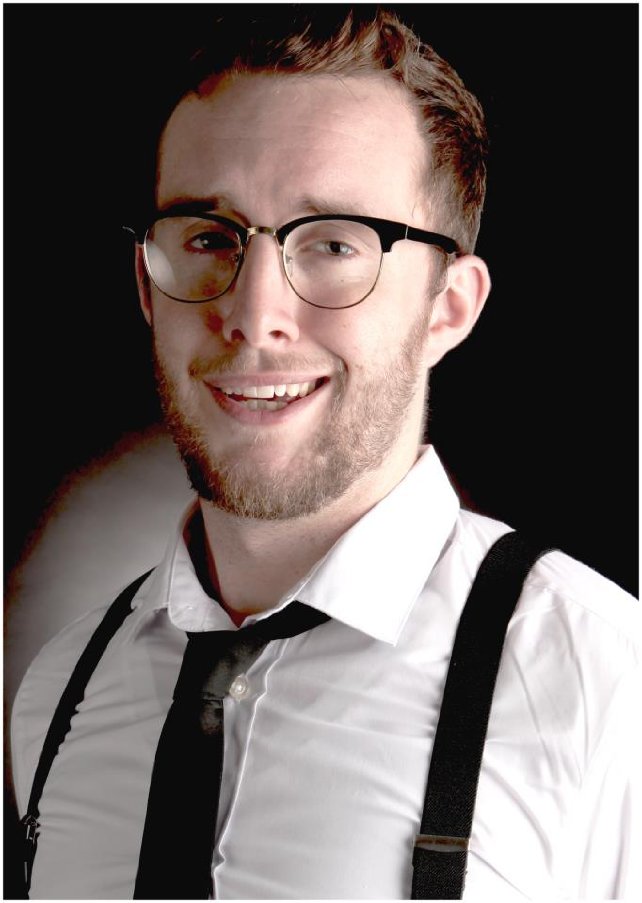
Corey Scott Rutledge
Photo provided by Corey Scott Rutledge.

NYFA: Can you tell us a bit about yourself, your background, and what first got you interested in acting (and graphic design)?

Corey Scott Rutledge: I grew up in Southeast Michigan. About fifteen minutes west of Detroit. My dad worked for Ford Motor Company, my mom worked in graphic design. I have a couple sisters and have had a parade of dogs growing up. Although most of my time was spent playing sports through school, my free time was spent creating through a variety of mediums. I made really bad, cheap short videos using my family’s digital camera. I once made a full recreation/production of Mortal Kombat with one friend of mine. Literally all the best fights were planned around my house. Ending with a climactic finale next to a pool. We edited in camera and at the time we thought it was the best thing ever made… It was not but the amount of creativity that went into the costumes, blocking and acting was pretty hilarious. I wonder if my neighbors ever wondered what we were doing.

Growing up at the time when cameras were becoming easier to use and the internet was becoming something you start to share your creations, it definitely impacted me to keep my creative juices flowing. Originally in high school I had a few different plans for life. Part of me wanted to try and pursue an athletic field while another part of me felt drawn to the military. It was a very confusing time in my life. The end of senior year I took a graphic design course and completely fell in love with the technology.

Although I was still unsure of what I wanted to do, I knew I had some talent or at least passion to do something with this new appreciation I found on a computer. I bought myself some time and enrolled in a small college to see where this would take me. I was pretty surprised to see how boring it could get. Although I loved constantly creating new projects and imagery, the business and technical side of it got to me. I wasn’t having fun, it was constantly dealing with people who didn’t feel passionate or stimulated about what they were doing. The week of graduating, I literally sat in the computer lab once again thinking about what I wanted to do. Did I really see myself sitting behind a computer for the rest of my life? What made me happy? The answer was actually always under my nose and in front of my eyes EVERY night.

I used to bartend near my college. After my shifts, most of the time I’d stop at this cheap DVD rental store and buy their “4 DVDs for $20” deal. I bought a ton of movies and every night I watched a different one.

So back to the computer lab. I sat there and just started questioning if that was even possible. I knew nothing about making movies other than how to block a Mortal Kombat finishing move next to the shallow end of a pool. I found NYFA online. Started researching it. It looked like a good fit for what I was looking for since I was inexperienced, coming from a completely different field.

In the beginning I originally was signed up for the filmmaking program but with my list of student loans and expenditures, I settled for the next best field to just get me to NYC, acting. I had no experience with any legit productions or shoots. I never auditioned, rehearsed or even memorized lines for anything BUT I felt like I just needed to get to the city and then see what was possible. It was the scariest and best decision I’ve ever made.

NYFA:  Was there anything particularly memorable – that stood out to you – about your time at NYFA?

CSR: There were a lot of moments that stood out. I think the most important and effective thing that happened to me there was meeting so many different people and networking with them. The majority of those I work with now, I met through the academy.

NYFA: You started a pretty successful sketch comedy group that has generated a lot of online views and buzz. After 6 seasons of The Shorts Show, is there any one video that was your favorite? 

CSR: The Shorts Show was a direct result of leaving NYFA and wanting to continue keeping busy and creating. I think the one that stood out for me was our Game of Thrones “Dragun Control” video. This was at a time that the show was entering the “third season” and morale was low considering the views weren’t there. There wasn’t a lot of hype.  A lot of people we used to work with dropped out or stopped participating all together.

Anyways, the idea called for a BIG set, BIG costume design, and a bunch of other ideas that I was way over my head with. I knew the concept was good (juxtaposing gun control debate with pop culture / game of thrones = draGUN control)

So I start sticking the feelers out there with everyone. Who could help make it happen? I asked some people who had interest in set design/creation about what it could cost me to make it cheap. They quoted me some crazy number so I didn’t bother them. At this point it became a personal test of will. If I gave up on the idea, I felt like I may as well give up altogether on the show. I chose instead to do most of it myself.

I got the green light from my boss, Daniel Dacian of bigapplefilms, to construct my own set in his studio. I was able to collect a bunch of V-Flats from another friend, Roberto, to make the set construction. I contacted Brusan Molding Cloth and proposed making a co-production/trade of services. I made them a promo video to show the behind the scenes of using their cloth, which was used to make the ice walls and rock flooring. I went to a fabric store and made all of my own costumes. I constructed and painted an entire set with zero experience other than being stubborn as hell to prove to myself I could do it. (thankfully a couple people showed up the 2nd day of construction and helped me finish the painting which was a pain in the ass)

In the end though, it was clear that I was capable of taking matters into my own hands and without a doubt the final was far better and rewarding knowing I made it myself. (side note: I’ll never do that again 🙂 )

NYFA: You’ve had a good bit of media exposure for your skits – be it for your Westboro Baptist Church dating site skit or your more recent Matthew McConaughey parody. For people looking to get a bit of their own exposure, how much of your exposure is organic and just a matter of good work, and how much is a concerted PR effort on your (or your team’s) part?

CSR: The Westboro Mingle video was the first video to actually have an organic “Viral” reaction. Ironically it was also one of the most inexpensive sketches we’ve ever done. Through that organic reach, I was able to obtain some great contacts to send our later work out to, which has resulted in some very amazing press.

Thankfully, when people Google us, they do find a lot of results so it’s made introducing and networking a little easier for me when I bother new writers/editors in hopes of them sharing our work. If you know any good people, send ‘em my way. We’re looking to expand.

NYFA: The internet and new media have obviously had a big impact on your success. Do you approach online projects differently than you would a typical film?

CSR: I definitely approach The Shorts Show online projects differently. Most of these shorts are written, shot, edited and released within a week or so of their initial concept. This is to keep things as topical as possible. It’s a very hectic timeline and you’re able to be a littler wilder and outside the box in your preparation and execution to make sure it gets done.

For film, I absolutely do not rush anything I do. I’ve been working on a collaborative anthology feature film called PRISM with many of Shorts Show directors. For the last six months I’ve rewritten my script close to twenty times. I’ve cast, recast, dropped cast, re-recast, relocated and rethought my story so often that I may go mad.

At the end of the day I feel like the stakes are higher for film and nothing can be rushed. I’m becoming obsessed with making it as good as can be and I can only hope it comes out that way.

NYFA: You also have a “gig” as managing director of bigapplefilms. How does this role help you in your creative pursuits?

CSR: Bigapplefilms has been a great foundation for me here. I started working for Daniel Dacian in the city just after NYFA. I had collaborated with him numerous times before we worked on the NYC 48 Hour film project, which ended up winning “Best Picture” that year. Since then, bigapplefilms has been directly responsible for The Shorts Show‘s existence through gear rentals, editing, and allowing me to continue pursuing its future. It’s been a wonderful collaborative environment.

NYFA: You’ve gotten back into graphic design pretty heavily with your poster art. Is design something you have been doing continuously, or is it a passion that you have recently re-kindled?

CSR: I’ve been working on posters since being in NYC. Most of these were under the radar since I worked on friends short films designs as favors. Since so many people are always looking for an idea for their films, I kind of wanted to return to my roots and explore other ways of contributing to projects.

NYFA: Is one art form (acting vs graphics) more rewarding for you than the other? How do the two interact?

CSR: I think acting is far more rewarding. The amount of prep work and cooperation on a film set to make one scene is something that can’t be beat for me. I think the design element is a great complement to film/acting because it also helps establish an identity for a performance or film’s entire feel.

NYFA:  What role did attending NYFA’s 2-year acting for film program have in where you are today with everything you are doing (be it your acting, job, graphics, or otherwise)?  

CSR: I think the role of networking is what really allowed me to continue this path. I don’t necessarily think ALL good actors get work, however, ALL good networkers do.

I’ve been lucky to be able to pursue acting with a different approach. Through making my own projects with the show, I’ve had the freedom to build a resume/portfolio that has landed me numerous new opportunities.

NYFA: With everything you are currently juggling, what is your ultimate career goal? 

CSR: Ultimate career goal….. Hmmmmmmm. That’s tough. I’d love to make ten feature films 🙂 But I break down most of my goals for one year for now.

For 2015, I’m planning on creating a new series under The Shorts Show that we are going to be pitching around the summer time. My goal is to finally get our tremendous cast and writing team discovered by a larger market and our show “picked up” so that we can focus more consistently on one single project.

NYFA: Any parting words of advice for aspiring actors, graphic designers, or artists in general?

CSR: I made a list. Hopefully something helps.

  1. MAKE SOMETHING… ANYTHING.
  2. Don’t believe 51% of the “bullshit.” Most of the people you meet are going to “talk” about opportunities. Find the people who are really doing them. Volunteer your time. Help them. You’ll never be let down when something doesn’t pan out. If 51%+ of everything I heard since moving here came true, I’d have three shows on HBO, two shows on Comedy Central, three million dollars and the cure for cancer.
  3. LEARN YOUR LINES! NO EXCUSES.
  4. Don’t be a dick on set. These people will be the ones hiring you next time and just because… it’s better not to.
  5. GO TO SEE YOUR FRIENDS’ LIVE SHOWS! They’ll remember.
  6. Do FAVORS. Most projects are made from favors.
  7. PAY PEOPLE ON TIME. They’ll remember.
  8. Don’t buy pizza on set unless EVERYONE is okay with it.
  9. Refer your friends for jobs.
  10. DON’T BE LATE TO SET!!!! You will instantly be that asshole. Hard to shake that unless someone buys pizza.
  11. Save your money. Drink at happy hours. Remember bartender’s names. They’ll reward you eventually.
  12. Don’t get wasted and fall asleep on the subway. You may wake up in Coney Island covered in snow. (True story)
  13. Don’t forget a good idea. Use your notepad.
  14. Don’t be deterred by prices/money/quotes/inexperience.
  15. WATCH THE SHORTS SHOW :)))))

2015 Oscars: A Look At The Documentary Short Subject Nominees

Oscar statue

The Documentary Short category often gets overlooked during the hype and blitz of the Academy Awards, but the films nominated for the Oscar are almost always powerful and important. Because they are cheaper to finance than features, documentary shorts often tackle subjects that are obscured from mainstream media, or tell deeply personal stories that resonate with a humanity that can be lacking in the movies of the other categories.

Documentary Shorts can come from career filmmakers or those making their first project after film school. This is the first nomination for all of the producers and directors up for the Oscar this year. Their subjects are varied but united in their compassion for mankind, from thousands of war veterans to the life of a single infant. Here is a look at the other works these filmmakers have made before their shot at the golden statue.

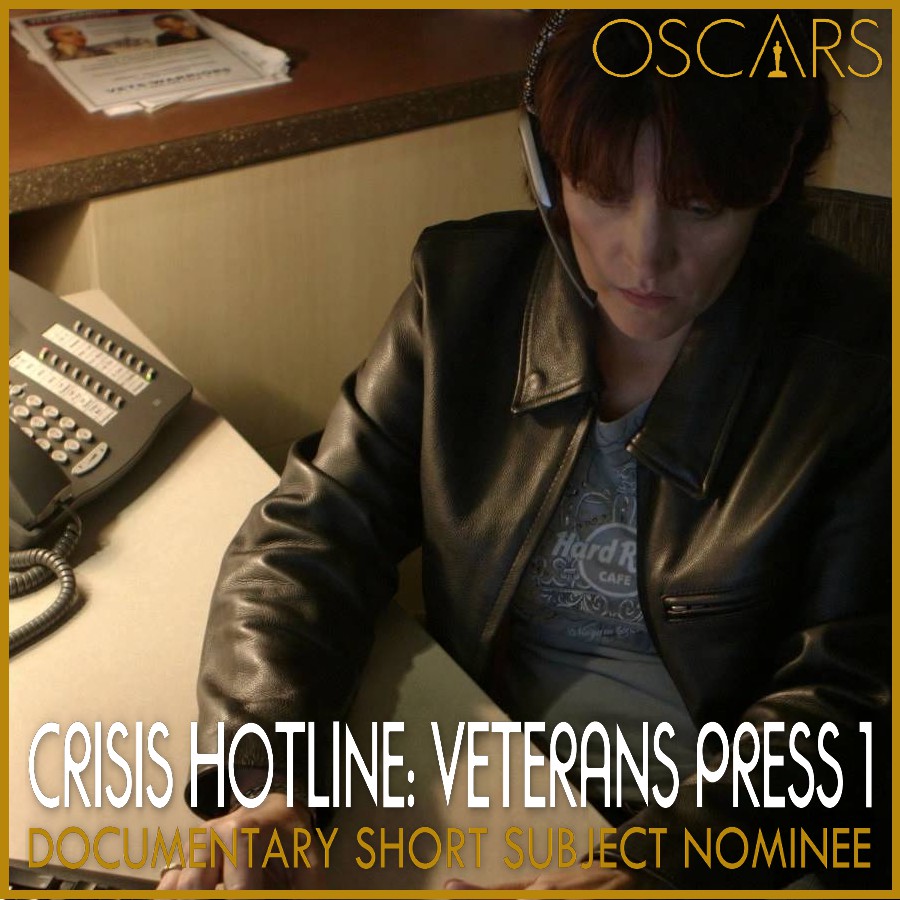
Ellen Goosenberg Kent and Dana Perry – Crisis Hotline: Veterans Press 1

Documentary Short Subject Nominee Crisis Hotline: Veterans Press 1

Crisis Hotline: Veterans Press 1 chronicles the crisis center that handles military veterans, which account for 20% of all suicides in the United States each year. In addition to directing Hotline, Ellen Goosenberg Kent has directed the documentaries One Nation Under Dog and No Dog Left Behind, as well as TV docs Wartorn: 1861-2010, Alive Day Memories: Home From Iraq, The Addiction Project, The Music in Me, Too Hot Not to Handle, Middle School Confessions, and Brett Killed Mom: A Sister’s Diary, among others. She has also produced Real Sex for HBO.

Producer Dana Perry has also produced Sex: The Revolution, Paramedics, and Motown 40: The Music is Forever. She had directed Top Ten Monks, Boy Interrupted, The Drug Years, And You Don’t Stop: 30 Years of Hip-Hop, and VH1 Presents the 70s.

Aneta Kopacz – Joanna

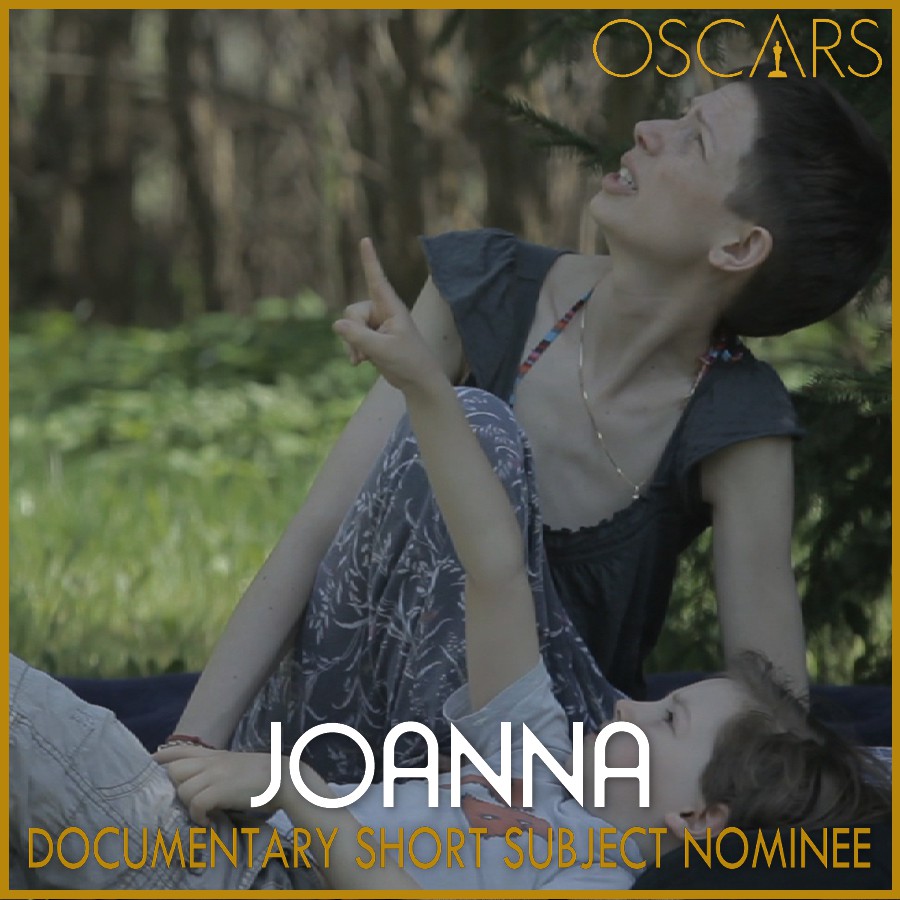
Documentary Short Subject Nominee Joanna

Joanna tells the heartbreaking story of a mother facing a terminal disease who writes a blog for her young son, hoping to impart some lessons and wisdom before she passes.

This is the only film credit Aneta Kopacz has to date, though she was given special thanks in the credits for Get Low, starring Robert Duvall and Bill Murray.


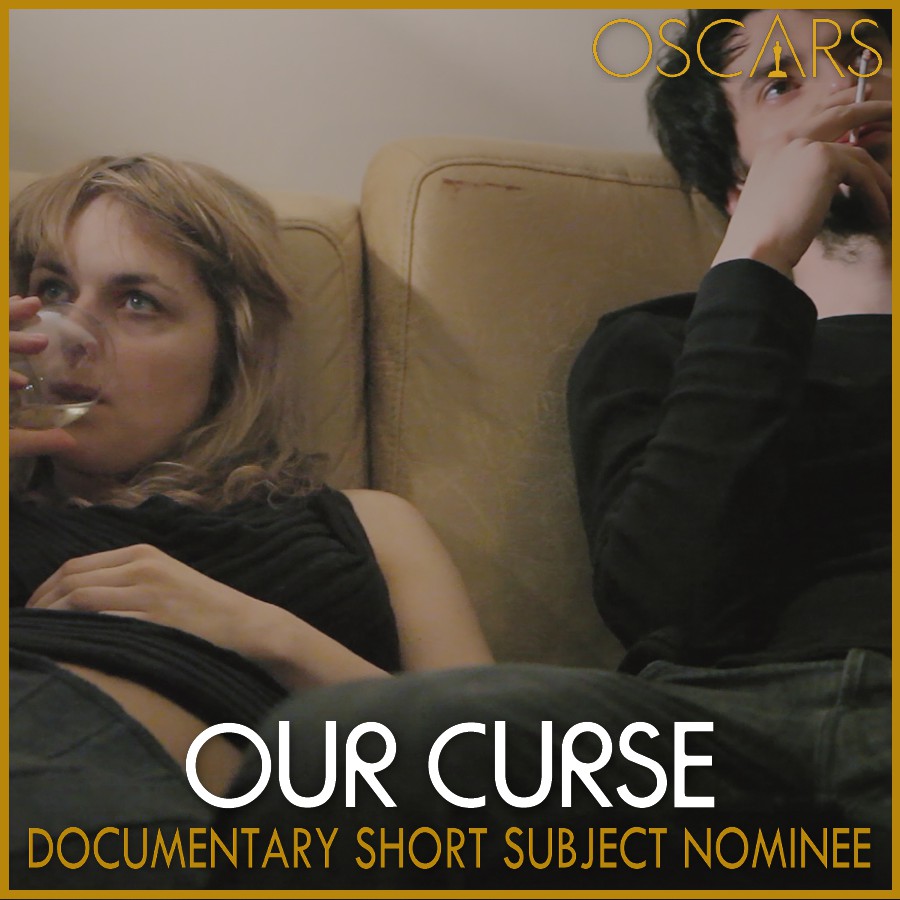
Documentary Short Subject Nominee Our Curse

Our Curse is a Polish film directed by Tomasz Śliwiński, whose child was born with a very rare and incurable disease known as the Ondine’s Curse. He chronicles the struggles he and his wife have caring for their sick baby and the toll it takes on their own lives. He and his wife, Maciej, have no other credits but the making of this heartbreakingly personal film.

Gabriel Serra Arguello – The Reaper (La Parka)

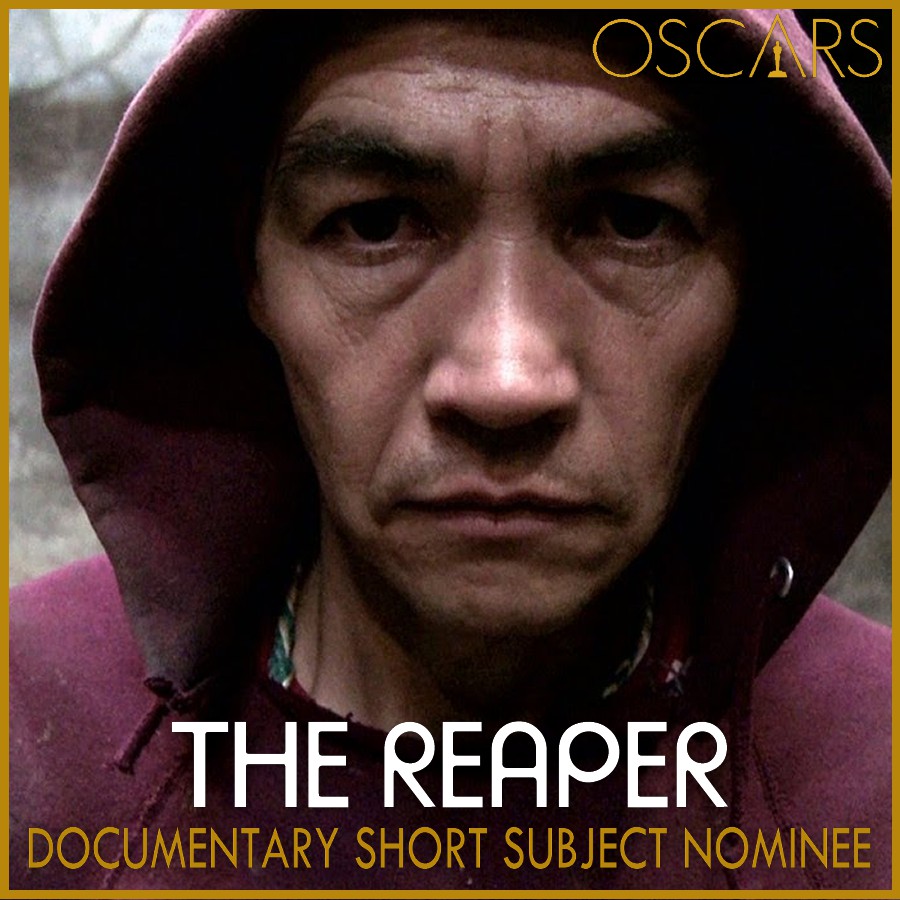
Documentary Short Subject Nominee The Reaper

The Reaper tells the story of Efrain, who’s worked in a slaughterhouse for 25 years, gradually changing his worldview on life and death. Director Gabriel Serra Arguello has worked as the AC on Tiempos Felices and the cinematographer on Año Nuevo and Xinantecatl.

J. Christian Jensen – White Earth

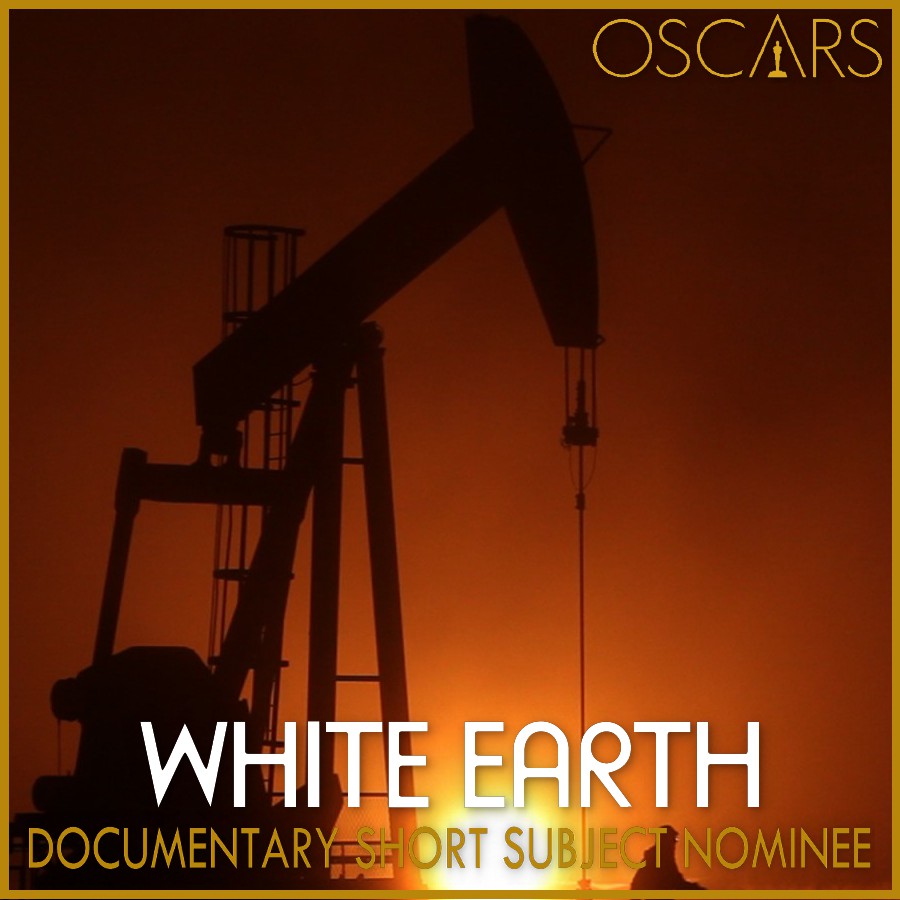
Documentary Short Subject Nominee White Earth

White Earth takes place in North Dakota during an oil boom that is attracting many people looking for employment in a harsh economy. Unfortunately the winter proves even harsher. The film documents the struggle of an immigrant mother and her three children facing the situation head on.

J. Christian Jensen often acts as his own cinematographer, and has shot and directed documentary shorts including Between Land and Sea, Solitary Plains, Alpha & Omega, and Out of Body.

Any winner this year will be deserving of the prize. Check out our looks at the nominees for Best Cinematography, Best Original Screenplay and Best Documentary Feature.