Venice Film Festival Spotlight on: Giorgio Pasotti

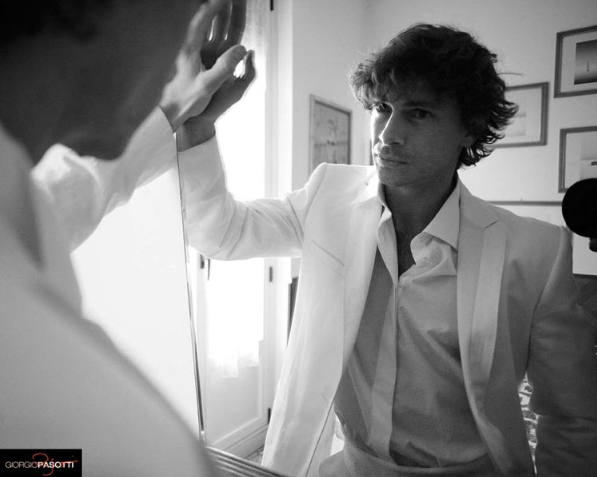
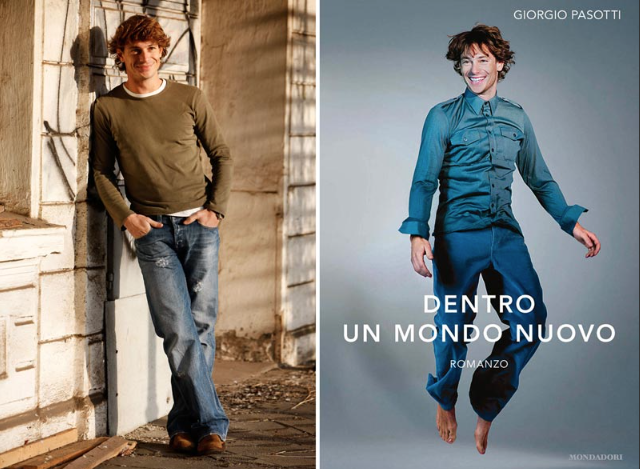
With the 73rd Venice Film Festival rapidly approaching, it’d be remiss to waste the opportunity to highlight a familiar face on the scene: former NYFA acting alumnus Giorgio Pasotti, acclaimed Italian actor and former European martial arts champion.

While Pasotti is now a highly celebrated actor in his native Italy and beyond, it wasn’t originally something he’d set out to become. In fact, it was the film industry that came knocking on his door, far away from home.
Screen Shot 2016-08-18 at 2.44.54 PM

At the young age of just six, Pasotti’s father – a martial arts expert – introduced him to karate and wushu, and young Giorgio quickly took to the discipline, achieving the highest rank in the Chinese martial arts. This lead him to seek out further training in the Far East where he refined his skills further, eventually moving to China permanently in 1992.

The plan was to carry on pursuing martial arts. Yet fate, as it often does, had other ideas.

The Rise of a Dragon

A year after Pasotti’s relocation to China, a small production company based out of Hong Kong was searching in vain for a classically good-looking Westerner who also displayed extreme prowess in karate. Luckily they found then-20-year-old Pasotti, who agreed to take on the challenge of playing an American who was destined to become a shaolin monk.

“Treasure Hunt” was released in 1993, and did well enough to attract Pasotti further work with “Two Shaolin Kids in Hong Kong” and “Dragon Fury II.” Despite further offers and the underground success of these kung fu titles, Pasotti felt that his time in China had run to a natural close and made plans to return to his native Italy.

The acting bug, however, had bitten, and Pasotti’s homecoming took a surprising turn.

Pasotti’s intention was to focus on martial arts. He  became a member of the Italian Wushu Team and won numerous international events. Yet it wasn’t long before the pull of acting lured him to yet another part of the world; with his established sporting career giving him greater freedom of movement, Pasotti set his sights on Los Angeles.

From East to West

It was here that Pasotti pursued a new passion, enrolling in the New York Film Academy’s Los Angeles campus to study acting at a formal level. The driven performer managed to keep up with martial arts while simultaneously working towards his acting degree.
Screen Shot 2016-08-18 at 2.51.46 PM

The rest, as they say, is history. Following an intense program of training, Pasotti returned to Italy as a NYFA graduate and immediately began climbing the ladder to stardom, becoming an in-demand actor in not just film (winning the Shooting Star award at the 2004 Berlin Film Festival) but also on television, theater and in music video. As if that weren’t enough, he’s also turned his hand to directing with the 2004 short, “The Never Say Goodbye.” Pasotti has also supported important causes by directing awareness ads for HIV prevention.
Given that Pasotti’s hometown of Bergamo is only a couple of hours away from the City of Bridges, it’s perhaps no surprise that he’s regularly seen at the Venice Film Festival — and this year is no exception.

The Festival Begins
Screen Shot 2016-08-18 at 2.45.27 PM

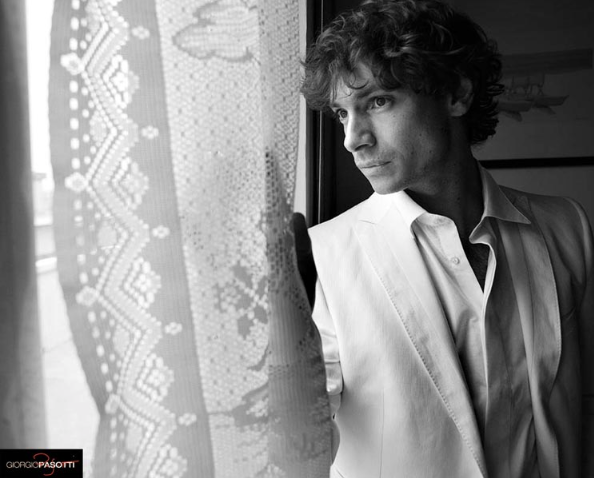
The New York Film Academy is proud and honored that Giorgio will appear for a rare Q&A as our special guest at NYFA’s student showcase in the 73rd Venice Film Festival. Pasotti will speak about his career after NYFA, introduce the screenings of five exceptional short films, and take questions in an informal reception during the event.

This invitation is extended to anyone who’s in the Venice area on September 1, 2016 — and there’ll be plenty of opportunity to network with the industry and press in attendance at our cocktail hour between 1:15 to 2:15 p.m.

Of course, the stars of the show will be the five filmmakers featured during the event, spanning the gamut of genres from animation to documentary.

See this post for more information regarding the event and the films being shown. We hope to see you at the Excelsior Hotel on Sept. 1!
How to Make Your Own Animated GIFs

No matter where you go online, you’re sure to come across an animated GIF. Animated GIFs are short, looping videos made up of several still shots that for a while were forgotten due to the advent of streaming video and Youtube. But recently they’ve made a comeback — thanks to social media and entertainment pages/apps.

Whether you want to give people a laugh or show off your work on a portfolio page, knowing how to make your own animated GIF is a particularly useful skill nowadays. Here you’ll read our roundup of several programs that make creating your own GIFs a breeze — plus tips on how you can get the most out of these digital creations.

Photoshop

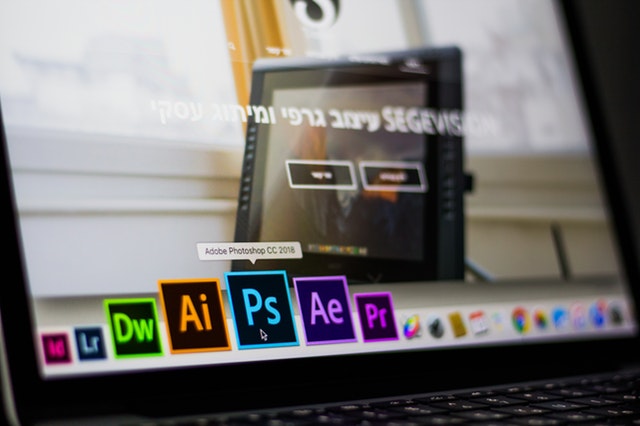
It’s no surprise that the world’s best graphics editing program can also be used to make animated GIFs. Don’t worry, though: if you do not have Photoshop or access to Photoshop, there are a number of free software programs that will do similar. Yet Photoshop is an especially powerful choice. (Note that only some of the most recent versions of Photoshop include the animation features you need.)

After arranging your layers in the order you want them to be animated, it’s time to sequence them. Instructions for doing so differ, depending on your version of Photoshop. If you have CS5 and older, click Windows + Animation. If you have CS6 or Photoshop CC, open Windows + Timeline. For CC, you’ll have to also select Create Frame Animation from the drop-down menu.

From here, simply find the Make Frames From Layers option to set things like the duration of each frame, how many times the animated GIF should loop, etc. Now hit File and Save for Web to start sharing your GIF with others.

Other Animated GIF Creation Programs

Don’t worry if Photoshop isn’t an option! There are plenty of excellent programs out there that can help you create your own animated GIF. Many of them are even free to use and come with plenty of online tutorials. (Insider secret: online tutorials are tools that even the most experienced graphic deigners use to keep their skills up to date. Don’t be afraid to use this resource!)

If you already have a video file on your computer that’s ready to be turned into an animated GIF, Zamzar is a great choice. This web application takes your video and converts it into GIF format without the need of any other software. Giphy is another option for easily creating an animated GIF out of a small video on your disk.

To make GIFs out of individual images, we recommend GIMP. This free, open source image editor lets you take a collection of still images and turn them into a GIF. Other options include Giffing Tool for windows users and GIF Brewery for Mac owners. Both of these have some extra features you can pay for that give you more control over your animated GIF.

Other programs worth mentioning include Gifster, Giphy Capture, LiceCap, Gifcam, and Gifox.

Incorporating Animated GIFs Into Your Work

Here are some common practices for easily integrating your GIFs, for maximum effect:

Online Portfolio

As an aspiring graphic designer, your goal is to use those talents to make a living right out of college. Of course, there are also countless other graduates who will be applying to the same jobs as you. You’ll need something to help you stand out when recruiters begin checking out your online portfolio.

With animated GIFs, you can demonstrate your skills and show off work you’re proud of in a fresh and exciting way. We don’t recommend bombarding viewers with a bunch of GIFs on each page. However, a few of them combined with still images can help your page convey a modern, interactive feel.

Marketing

When you think of animated GIFs, perhaps several online memes come to mind that spread across your social media pages like wildfire. The fact is that GIFs are great for grabbing people’s attention as they scroll down Facebook or Tumblr — which means they’re perfect for marketing.

What better way to announce a new product than with a catchy animated GIF on your website or in an e-mail? Marketing companies like Bluefly have even done research on the impact of regular images vs. animated GIFs, and have found that GIFs pull in more revenue for advertised products.

Visual Instruction

It’s one thing to read instructions on how to bake a cake and another to actually watch someone do it. This is why Youtube is flooded with tutorial videos that show us how to do everything from boil an egg to dance like Michael Jackson. Even so, sometimes sticking a video in your work isn’t the best approach.

Instead, create a GIF animation showing a product illustration in motion. Whether you’re building a how-to section on your site or you want to show people how a product works, one or more animated GIFs can do the trick. You can also add small text descriptions below each individual GIF so readers have no trouble following your steps or understanding what you’re trying to convey

First time making a GIF, or are you a seasoned pro? Let us know how you use your GIFs in the comments below!

Interested in learning more about graphic design? NYFA’s graphic design program may be for you.

The Evolution of Seth Rogen: From Teenage Comedian to Superstar

Seth Rogen is on something of a winning streak, and it seems that just about everything the Canadian-born comedian touches of late turns to gold. 

Screen Shot 2016-08-16 at 2.56.04 PM

Having come out of the gate swinging with strong performances in Judd Apatow’s “40 Year Old Virgin” and “Knocked Up” — two of the highest-rated comedies of the 2000s — Seth Rogen’s career has gone from strength to strength as he further flexed his acting muscles and also added to an impressive list of writing, producing, and directing credits.

Given that he has also branched out from comedy in recent years, it is even more impressive that Rogen’s career is an accidental one. Initially he made a name for himself on the Canadian comedy circuit during his teen years, and was so successful that he became the main breadwinner of his largely-unemployed household by the age of just 16. As a result, he didn’t want to pursue any career other than stand-up comedy, remarking: “As soon as I realized you could be funny as a job, that was the job I wanted.”

Screen Shot 2016-08-16 at 2.54.20 PM

All this raises the question of how exactly Seth Rogen ended up blazing his current the trail. With his latest movie “Sausage Party” killing it from both a commercial and critical standpoint, we’re taking a look at the selected works that got him where he is today.

“Freaks and Geeks” (1999-2000)

While the NBC show was short lived and cancelled after only one season, it has since become a cult classic, launching the careers of numerous then-child actors. Linda Cardellini, Martin Starr and Jason Segel all got their start on this fan favorite.

As did Seth Rogen. “Freaks and Geeks” not only served as his debut acting gig, but also his first credit as a staff writer. Even more important were the connections he made on the show. The two went on to form an enduring friendship and working relationship, collaborating on the ultra-subversive “The Interview” in 2014.

The show also put Paul Fieg and Judd Apatow on the map, the latter of whom saw huge potential in Rogen and took him under his wing. “Obviously, I can’t stress how important Judd’s been to my career,” Rogen said in a retrospective 2009 interview.

“Da Ali G Show” (2004)

From one cult series to another, Rogen managed to land a staff writing position on the highly acclaimed Sacha Baron Cohen breakout series “Da Ali G Show.”

It was little-known that a young Canadian-American was working on a quintessentially British show, but it’s an important road mark for Rogen’s career; he went on to receive a Primetime Emmy Award nomination in conjunction with the other show writers.

This was all before Seth Rogen became a household name, a process which really began with…

“Knocked Up” (2007)

Screen Shot 2016-08-16 at 3.09.53 PM

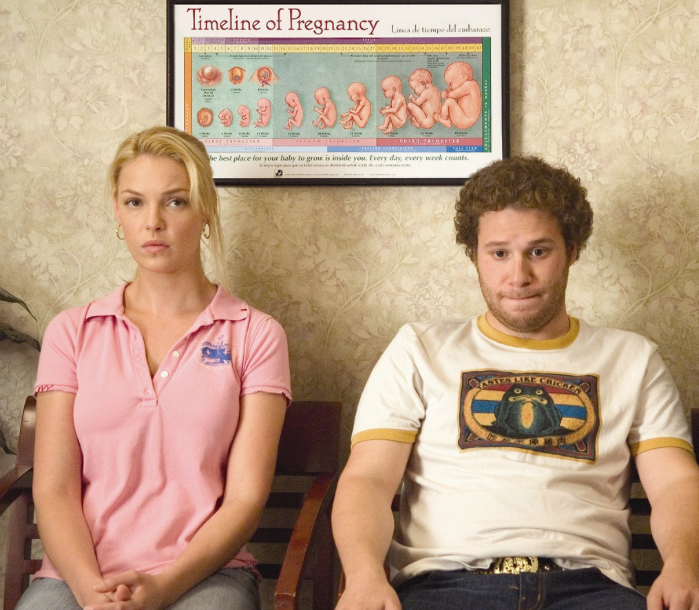
“Whenever I see an opportunity to use any of the people from ‘Freaks and Geeks,’ I do it,” said Judd Apatow, who reassembled a lot of the old gang for his first-ever feature. “It’s a way of refusing to accept that the show was canceled. In my head, I can look at ‘Knocked Up’ as just an episode of Seth’s character getting a girl pregnant. All of the movies relate in my mind in that way, as the continuous adventures of those characters.”

Knocked Up” went on to become selected as one of the 10 best movies of the year by the American Film Institute, with Rogen’s lead performance in particular being singled out for praise.

“Superbad” (2007)

Few were convinced that another Rogen/Apatow outing would reach the same bar set by “Knocked Up,” yet “Superbad” raised the bar even higher.

The movie also propelled Christopher Mintz-Plasse, Michael Cera, and Jonah Hill into further stardom. Not bad for a screenplay that Rogen co-wrote when he was 13.

“Horton Hears a Who!” (2008)

This film kick-started Seth Rogen’s prolific voice acting career. The “Kung Fu Panda” franchise followed, along with “Monsters vs. Aliens” in 2009 — as well as the job of voicing the main character, Paul, in the Simon Pegg movie of the same name.

“The Interview” (2014)

Following the successes of “Superbad,” Rogen teamed up once again with Evan Goldberg to work on an idea they’d had a good five years prior: a subversive comedy involving one of the world’s most notorious living dictators.

While critics were polarized by the screenplay (involving an assassination attempt on Kim Jong-Un, changed following the elder Jong-Il’s death in 2011), this film is a notable point in Rogen’s career. He was the creator of a movie that almost triggered an international crisis, with threats of war and terrorism prompting an industry-wide discussion on the nature of free speech and political commentary. Sony was forced to pull the theatrical release.

“Steve Jobs” (2015)

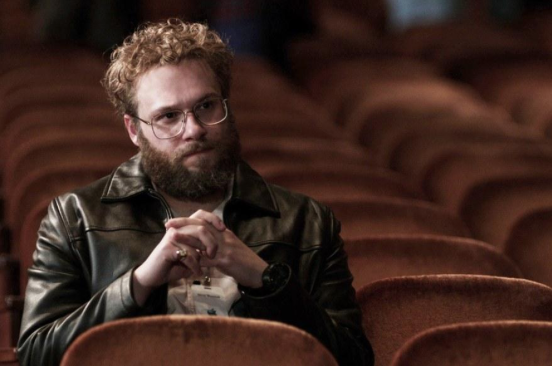
In the critically acclaimed biopic of Apple founder Steve Jobs (not the Ashton Kutcher version), Seth Rogen showed the world he could act outside of the comedy sphere with his portrayal of Steve Wozniak. It’s an exceptionally multi-dimensional performance, and the real-life Wozniak reportedly felt honored to have been portrayed by him.

“Sausage Party” (2016)

And now we come to “Sausage Party,” Rogen’s latest foray into subversive comedy  — a project where many of the names mentioned above come together again for a Pixar-esque adventure that is firmly for adults. (And yes, the trailer above includes very NSFW language.)

The idea of an R-rated animation isn’t particularly new; 1974’s “Fritz the Cat” was one of the first. Yet it’s not something that has seen widespread adoption, and “Sausage Party” is the first R-rated CG animation. That said, with the runaway success of this movie and the likes of last year’s “Dead Pool,” we’d be very surprised if this doesn’t become a cinematic trend in years to come.

Rogen himself has stated that he “has ideas” for future R-rated animations, currently under active consideration by Sony.

One thing is for certain: we’re keenly anticipating the next trick up Seth Rogen’s multi-faceted sleeve.

How to Do Comic-Con Without a Badge

sd cc

It’s only been a week since Comic-Con and if you couldn’t make it you’ve been poring over websites, blogs, and social media trying to absorb the copious amounts of information coming out of San Diego. But here’s the thing… for less than $500 dollars, and a three-hour road trip, you too could have attended the convention. Not just attended the convention, but made lasting connections.

Here’s how…

Comic Con Isn’t Just Hall – H

Look, Hall – H is the sexy part of San Diego Comic-Con. It’s where the Game of Thrones cast meets up every year to mourn the dead. Hall – H is where the first was announced and where we learned Tom Hiddleston was going to be Loki. Fans spend days in line for one of those coveted seats. But, there’s more to the convention than Hall – H.

There’s so much more to explore. If you’re lucky enough to get a badge there are a great number of panels, demonstrations, signings and screenings. It’s not just the big new it’s about the exhibits.

In 2016, just outside the convention center, there were two separate carnivals, a South Park photo staging center, NBC had an entire plaza announcing their new season of shows, Amazon had a giant tent highlighting The Man in the High Castle and other forthcoming shows, Warner Brothers hosted a Suicide Squad virtual reality seminar and Wonder Woman’s invisible jet for family photos. None of these exterior events required a badge and most were completely free to attend.

sd cc badge

Business is Flourishing

The convention center is only open from 10 AM to 7:30 PM. Once the doors are closed all those industry people have to go somewhere. This is your chance to mingle with the crème de la crème of producers, writers, actors, editors, and financiers looking for their next big project.

You can take advantage of this opportunity. Go to any hotel bar after doors close order a virgin drink, and listen intently. Wait until you hear about a latest project or passion and chime in. You’ll be surprised at how friendly and open attendees are. Everyone is here to promote so they’re eager to share their stories, advice, and experience.

Soon there will be an opportunity for you to talk about what you do and where you’re hoping to go. You might not get offered a job, but you’ll walk away with some new knowledge and a new contact. Make sure to email your contacts right away, thanking them for their time and let them know you intend to stay in touch. Anytime you have a project, a GoFundMe, or get a great job, let this person know. They’ll be rooting for you and when they’re ready to hire you’ll be the first person they think of.

Industry Parties are Everywhere

Every major entertainment news outlet, blog, publishing company and production company hosts a party at San Diego Comic-Con. Getting inside can be tricky but the experience trying to get in can be memorable. Usually, there are lines wrapped around the building. When you find one, hop in line and begin a conversation. Get to know those around you.

Once inside, take the opportunity to circle the room. Then find a place where you feel you’ll fit in. Make conversation. Pro tip: don’t talk about business. This is an opportunity for those hired by the company to blow off steam. The last thing they want to do is interview you for a position or explain why they like their company. Instead, talk about your passions. Ask them about their past convention experience. Or, just dance. Just being a cool human being can be the best kind of networking.

So, bring a lot of business cards, a positive attitude, and some samples of your work. Soon you’ll be hobnobbing with the best in the industry. Even if you don’t walk away with your dream job, you’ll have made memories and contacts that can last a life time.

How to Write a Killer Spec Script That Sells

Write first, sell later.

That’s the mantra of a spec scriptwriter.

The practice of writing a spec – or “speculative” – screenplay in the hopes that it’ll later become optioned has quite the precedent; and at certain points in cinema history, it even drove the entire industry.

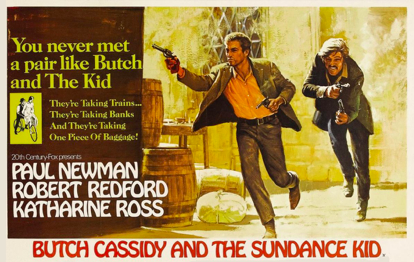
“Butch Cassidy and the Sundance Kid” was one of the first instances of an original spec script sale, going for $40,000 in the 1960s. That’s equal to $2.7 million in today’s money.

Image S1     

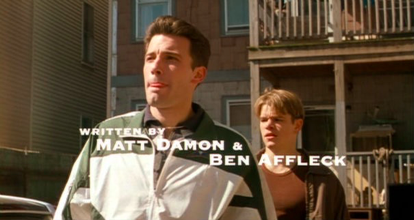
“Good Will Hunting” earned $675,000 for then-unknown Matt Damon and Ben Affleck. “American Beauty” and “Thelma & Louise” picked up $250,000 and $500,000 respectively.

While the market for spec scripts is in a slight trough at the moment, it’s predicted to return in force — so it pays to get ahead of the game.

The Benefits of Working Spec

Spec scripts can be a quick way to a substantial payday. Generally, the script will be forwarded to a number of buyers who are likely to be interested (usually handled by an agent), and if all goes well a bidding war ensues. This is the best possible scenario, because the amounts of money slung around can get insane.

Image S2

Widely circulating the script can be a double-edged sword, though; if it fails to garner interest, it’ll be on record as a script that the entire industry passed on. As you can imagine, it’s then very difficult to do anything with it at that point.

But not all is lost! If the script is good but just not quite marketable enough, it could lead on to some lucrative assignment work.

In short, even if your spec script doesn’t get optioned, there’s no finer way of getting your name out there. So let’s focus on how to maximize your chances of nailing it.

1. Presentation

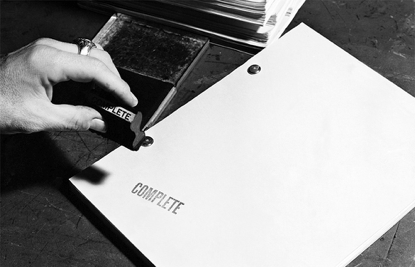
Needless to say, it’s the substance of your script that’ll attract a sale. But it’s the presentation that can kill that sale before a studio even flips the cover.

Image S3

Nothing screams “novice” more than a fancy binder, non-standard font, a writer’s Twitter handle and copyright notices all over the title page, and a multitude of pictures and artwork. Refrain from using anything other than 12-point courier and include only the title, your name, and email address on the title page.

If you really can’t quell the burning desire to jazz it up, print it on heavy weight paper. That’s as far from standard as you should venture.

2. It’s ALL About Page One

Conventional wisdom tells us we need to grab our readers within the first few pages of a script.

With a speculative script, it’s more like page one.

As mentioned in our previous post on Billy Wilder’s screenwriting tips, you not only need to “grab ‘em by the throat and not let go,” but you also need to do the following before you get to the bottom of the first page:

  • Establish genre.
  • Set the tone.
  • Introduce your protagonist.
  • Convey their problem and/or objective.
  • Describe the time and place of the journey’s start.

Not only does all of that need to happen in the opening page, but also each and every element needs to be established in an enticing way.

Image S4

How this is achieved entirely depends on your individual story, but it’s worth saving the above checklist and referring to it often. If you miss any of those beats, then revisit, rewrite and revise.

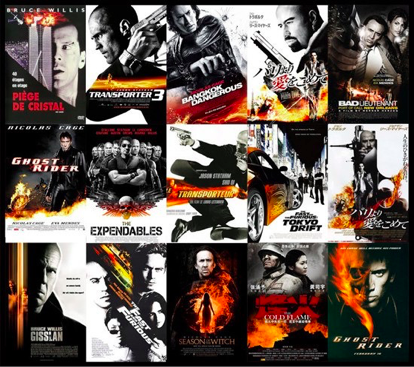
3. Don’t Chase Trends

Ask any producer what their biggest bugbear is when it comes to vetting unsolicited scripts, and it’s likely to be the weary feeling of getting yet another vampire script.

Replace vampire with zombie, superhero, young adult, space noir or whatever else might be the trend du jour.

Image S5

There’s a big difference between keeping your eye on the market (which you should definitely do as a writer) and trying to rehash whatever was big last summer. There are two very good reasons why you shouldn’t do this: first, it will put you in a huge slush pile with competitors who are doing the same thing, and secondly, if something’s already big you’re probably too late to the game. Executives are planning for what’s going to be big in a couple of years (which is how long it takes to move from optioning a screenplay to getting it into a theater), not what was popular in the last couple of years.

Plus, chasing trends is soul destroying for most of us. And that brings us onto the last, and possibly most important, point:

4. Focus on Writing, Not Selling

Just because the end goal is to get the script optioned (ideally for a decent chunk of change) doesn’t mean that you should put the cart before the horse.

A good script is a sellable script, and everything you learned at screenwriting school is still true; avoid lengthy exposition, define clear character motives, establish strong tone and plot, and make sure your structure is tight.

Writing a great story and making sure it displays your heart and soul is its own reward, but also makes it infinitely more sellable by its very nature.

Image S6

In short, never forget the spec script mantra:

Write first, sell later.

Hone your screenwriting skills with our variety of screenwriting degree programs, workshops, and courses. Taught by industry-leading professionals, our workshop-based programs give aspiring writers practical experience in script writing. Learn more about our programs on our Screenwriting School page.

Unpacking Billy Wilder’s 10 Screenwriting Tips

Few screenwriters have the pedigree of Billy Wilder, renowned as one of the most creatively gifted filmmakers of American cinema’s Golden Age.

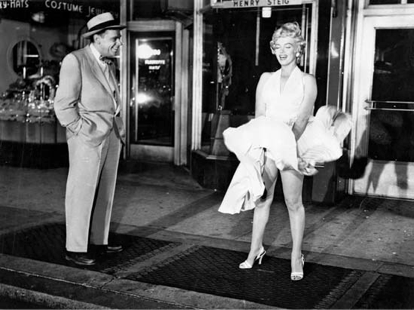
As well as being the first person in history to win an Oscar as a producer, director, and writer for the same movie (“The Apartment”), he’s also the mind behind film noir classics such as “Double Indemnity” and “Sunset Boulevard,” as well as the iconic comedies “The Seven Year Itch” and “Some Like it Hot.

I 1

Clearly it’s worth listening when he imparts advice on screenwriting.

Luckily for us, in Cameron Crowe’s book “Conversations With Wilder,” the legendary filmmaker gave a list of ten tips on screenwriting that we think everyone should not only learn, but memorize.

His tips are short, sweet, and profound, so let’s take a deeper look!

Billy Wilder’s Ten Screenwriting Tips Examined


I 2

1. “The audience is fickle.”

Here Wilder was referring to the practice of chasing trends, or what you think the audience wants. But you’ll never be able to successfully predict this, and will probably drive yourself mad trying.

It’s much easier to simply write the story you are interested in. If you do so with heart and soul, audiences will be attracted to your work — and you get the satisfaction of knowing you did it your way (to coin Sinatra).

2. “Grab ‘em by the throat and never let ‘em go.”

Pick five of your favorite movies, and we can guarantee they’ve all got killer opening scenes that make you want to stick around to see how the rest of the story plays out.

You should approach your own script in the same way. Don’t spend 19 minutes building up to an explosive scene on page 20 – put it right there on page one. You’ve got the rest of the script to drip feed exposition!

3. “Develop a clean line of action for your leading character.”

We’re talking about arguably the most important part of a script: motivation (which also inspires conflict).

If your leading character doesn’t have a very apparent objective and a plan for attaining it, it’s difficult to expect the audience to care about their actions. And we’ll take the liberty of extending Wilder’s tip to say that, ideally, every character you introduce should have a clean line of action.

4. “Know where you’re going.”

An extension of the previous point: the concept of “mapping” your plot is crucial to avoid your characters wandering off their clear lines of action. If the characters appear to forget their purpose, chances are the audience will too.

No matter how you map your intended journey – whether on note cards or just doodling all your ideas in one place — make sure that you do it.

5. “The more subtle and elegant you are in hiding your plot points, the better you are as a writer.”

As any screenwriter knows, there are a very finite number of story types (some say seven). And all fiction is based on these.

Whatever the precise number of story types, it is true that you’ll frequently rely on formula while crafting your screenplay — whether it’s the hero’s journey, a Faustian debt that must be paid, or some other trope.

Counterintuitively, the audience actually wants to see these stories played out in a uniform way (that is why we’ve been telling beat-for-beat identical tales for generations), but they don’t want to be made aware of it. This is why it’s essential that, although the rhythm of the plot may be predictable, the notes themselves often come as a surprise.

6. “If you have a problem with the third act, the real problem is in the first act.”

This is one of the most valuable of Wilder’s tips because it’s one that even experienced writers struggle to identify and fix.

The third act almost always features the resolution of key story points, and brings character arcs to their natural conclusion. If strong foundations aren’t set in the first two acts (and particularly, as noted, the first), then this resolution will feel either contrived or unsatisfying.

Once again, solid mapping during the writing process is a great defense against this all-too-common problem.

7. “A tip from Lubitsch: let the audience add up two plus two. They’ll love you for it.”

A simple concept, but a tricky one to master on the page. Think Christopher Nolan, and you’re on the right track!

8. “In doing voice-overs, be careful not to describe what the audience already sees. Add to what they’re seeing.”

Love them or hate them, but sometimes a voice-over is the perfect choice for moving the plot forward … as long as it does just that.

If you get stuck, try using the voice-over describe the emotional states of characters or hint at upcoming events. These are both things that are tricky to communicate via other methods, but which add greatly to the audience’s immersion.

9. “The event that occurs at the second act curtain triggers the end of the movie.”

Ideally: the more explosive the event (figuratively or literally), the better. The audience is often in a lull at this point of the movie, so a large, crucial event that acts as a catalyst for the satisfying conclusion can help “grab ‘em by the throat” once more.

10. “The third act must build, build, build in tempo and action until the last event, and then — that’s it. Don’t hang around.”

Very, very few good movies have multiple or non-distinct endings. The Coen brothers have turned it into something of a hallmark for their work, but it’s not wholly advisable to try and follow in their footsteps.

I 3

When you arrive at the end, stop.

Now get out there and put Wilder’s gold into practice.

From story generation to character development to genre studies, our variety of Screenwriting degree programs, workshops, and courses teach students the fundamentals of writing for film and television. Visit our Screenwriting School page to learn more.

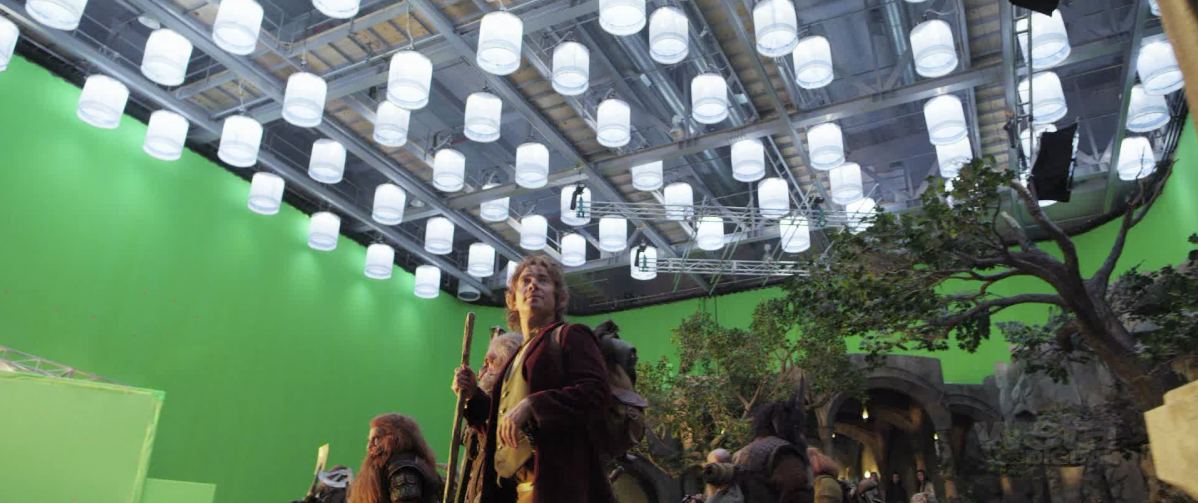
The 4 Most Epic VFX Moments That Owe It All to Green Screen Backgrounds

Screen Shot 2016-08-05 at 4.59.40 PM

The average person walks into their local theater and walks out mesmerized by the incredible visual effects. They talk with friends about how vivid a specific place looked or how lifelike a fictional creature appeared as it interacted with real actors. The legions of pleased moviegoers have shown us that although there’s still room for special effects in the industry, it’s thanks to CGI and green screen that we’ve experienced cinematic moments that are otherwise impossible to share.

But perhaps you’re different than most moviegoers. As an aspiring animator or filmmaker, maybe you leave the theater wondering how they made the fake backdrops and monsters look real. Sometimes, it was clever to use a technique that’s almost as old as cinema itself — green screen. Below are some of the greatest uses of VFX that to this day look fantastic.

1. We Enter the Great Elven Realm

Film:  “Lord of the Rings: The Fellowship Of the Rings” (2001)

LOR

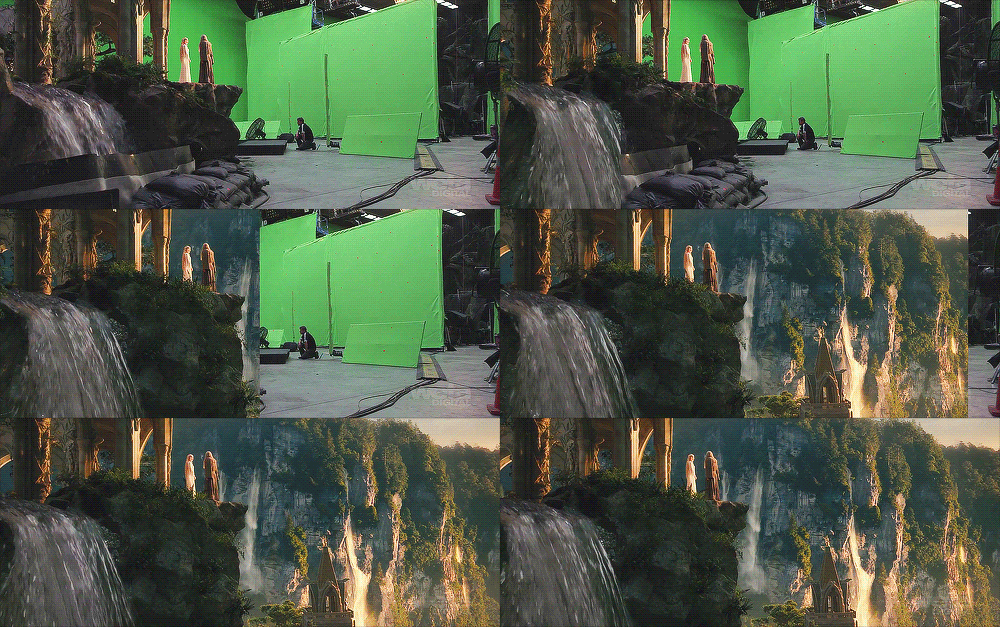
It’s hard to believe that it’s already been 15 years since Peter Jackson’s 2001 film took the world by storm and made everyone a fan of elves, dwarfs, and, of course, hobbits. The later Hobbit trilogy was criticized for using too much CGI (so much that Ian McKellen had a breakdown onset), but the first three films set in Middle-earth used the perfect combination of the green screen along with forced perspective, clever camera tricks, and even the use of miniatures

“Best Effects, Visual Effects” was one of the many Oscars this film won at the 2002 Academy Awards. And while there are plenty of great scenes to choose from, few are as breathtaking as the first reveal of Rivendell. The gorgeous waterfalls, glowing trees, and beautiful Elven architecture all work to make you feel like you’re really standing in an Elven sanctuary.

2. The Final Battle

Movie: “Avatar” (2009)

Screen Shot 2016-08-05 at 5.04.11 PM

James Cameron’s epic sci-fi film still stands as one of the most respected and critically praised films of all time and currently holds the record as the most financially successful film, with a worldwide gross of $2.7 billion dollars. The movie earned every dollar thanks to innovative new special effects that made the planet of Pandora a sight to behold.

With all the new tricks and technology at his disposal, Cameron often relied on the tried-and-true method of a green screen. This allowed him to merge the characters and environments together, creating a captivating movie experience. There are few better examples of this than during the final battle of the movie where, despite the heavy use of VFX, the scene still feels intense and emotional.

3. Pretty Much Every Fight Scene

Film: “The Matrix” (1999)

Screen Shot 2016-08-05 at 5.07.44 PM

Show a young viewer today “The Matrix” for the first time, and they’ll probably see it as just another sci-fi action movie. Maybe they’ll comment on how cool the unrealistic kung fu and physics are, but that’s about it. Yet those of us who were there during its original release know just how big a deal these incredible special effects were.

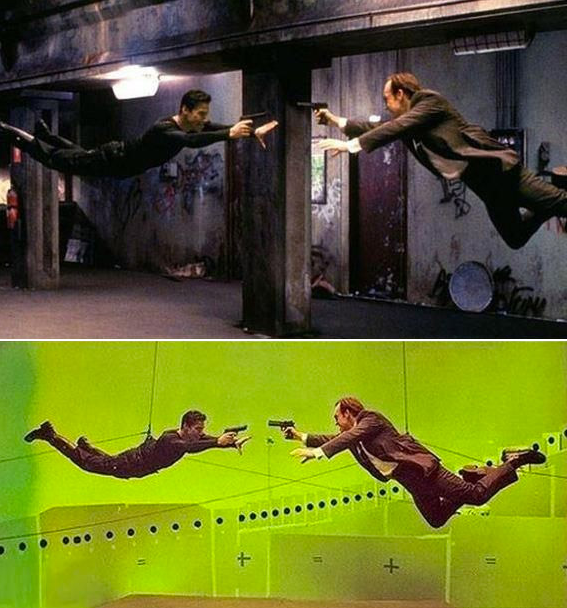
While plenty of 3D computer models were used during certain sequences, most of the time it was real actors fighting in front of a green screen background. Whether they were hanging from wires or on flat ground, the awesome combat scenes revolutionized the filmmaking industry and helped evolve it into what we have now.

4. Welcome to Jurassic Park

Film: “Jurassic Park” (1993)

These days, the people in post-production have more work than ever before in the movie industry. Where before only a few dozen VFX shots were taken, today’s film averages around 200 shots. While there are benefits to ever-evolving technology, sometimes it’s all about quality — not quantity.

No movie is a better example than “Jurassic Park,” which used no more than 40 special effect shots. Arguably the most memorable scene in this acclaimed film is when Alan Grant and Ellie Sattler first set their eyes on a pair of Brachiosaurus making their way out of a lake. In the video above, you can see how this scene was put together in order to make the audience feel like they too are standing in John Hammond’s “promising” theme park. <

12 of the Most Popular Movie Genres By Country

Screen Shot 2016-08-05 at 5.18.15 PM

Whether you aspire to make movies of your own or simply enjoy watching them, a love for great films is something people all across the world share.

As a cinematography student, even comparing a country’s favorite genre to their culture can prove to be an educational experience. Below we’ve provided a list of several countries followed by the top movie genre there, including some interesting info.

The Most Popular Movie Genres By Country

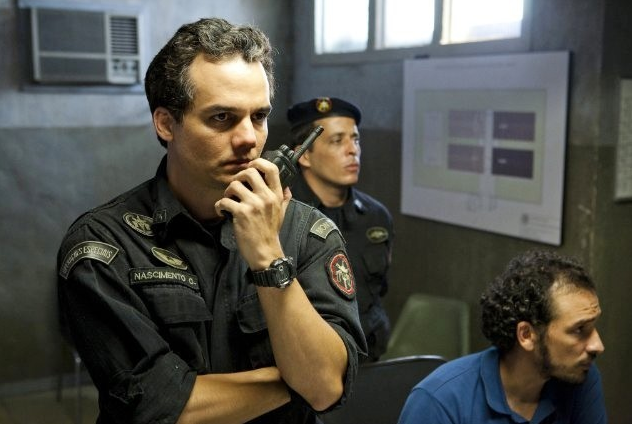
1. Brazil – Action

Screen Shot 2016-08-05 at 5.19.18 PM

Not only do Brazilians love Hollywood action movies, but they also can’t get enough of their own. Distributed by Brazil’s own Zazen Produções, “Elite Squad 2” became the top domestic film in 2010.

2. Argentina – Comedy

With movies like “Minions” (2015) and two Ice Age movies serving as the highest grossing films, it’s clear that people in Argentina prefer family-friendly comedy movies.

3. United States / Canada / Mexico – Comedy

Box office revenue from 1995 to 2016 shows that comedy has been the most popular movie genre in North America, with adventure a very close second.

4. Japan – Fantasy

Screen Shot 2016-08-05 at 5.20.30 PM

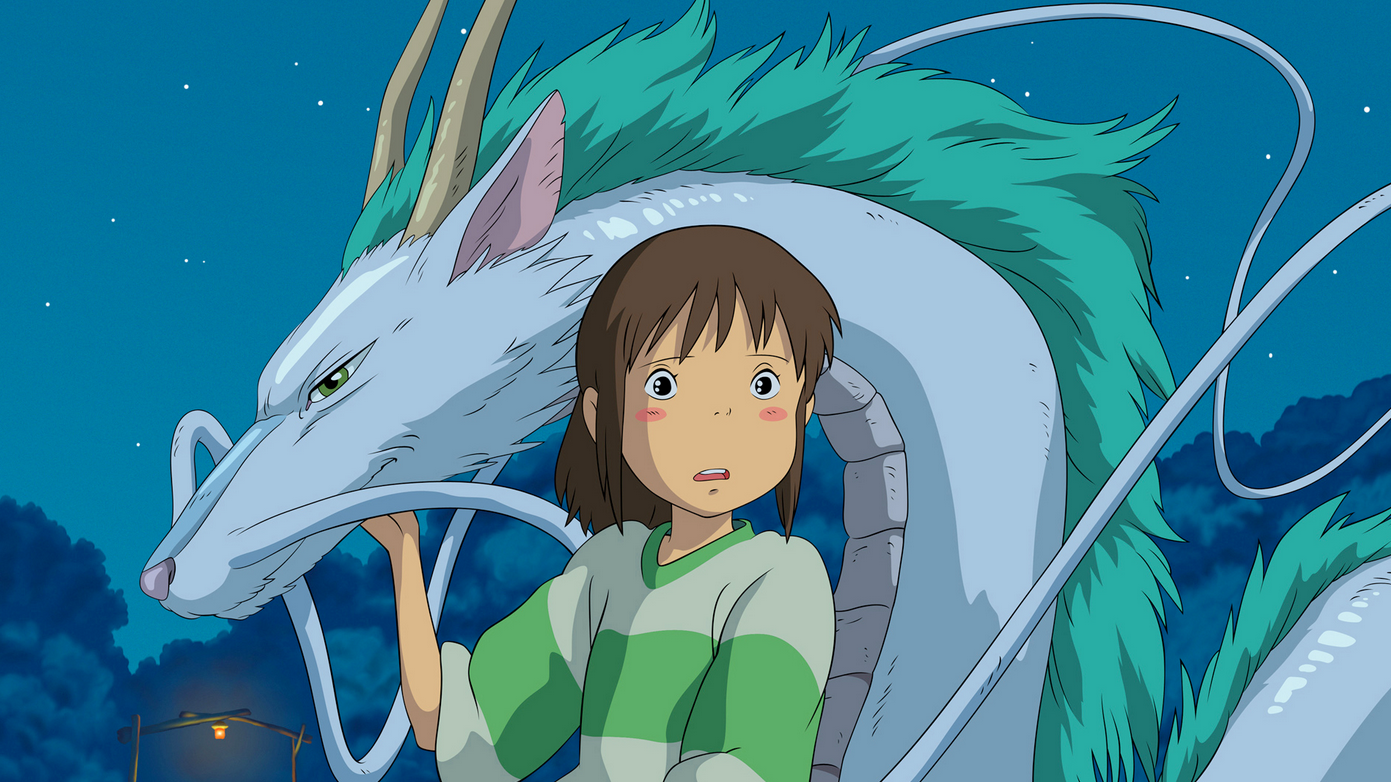
Of the 10 highest grossing films in Japan, seven of them fall into the fantasy category. Aside from “Frozen” (2013) and two Harry Potter films, the rest are anime fantasy films made by the legendary Hayao Miyazaki and his studio, Studio Ghibli.

5. Germany – Action/Adventure

Among the top grossing films of 2016 are “The Revenant,” “Deadpool,” “Captain America: Civil War,” “Batman v Superman: Dawn of Justice,” and “Warcraft.”

6. India – Adventure

Action comedy is the genre that has seen the most success in the last few years. Bollywood filmmakers have also found box office success with drama films as well as romance.

7. Italy – Comedy

Screen Shot 2016-08-05 at 5.21.50 PM

Although the two highest grossing films in Italy are “Avatar” (2009) and “Titanic” (1997), the rest of the list is dominated by comedy films made in Italy.

8. France – Comedy

The two highest grossing 2016 films so far are “Camping 3” and “Les Tuche 2,” two comedy films distributed by French-owned Pathé. Disney’s “Zootopia” sits in third place at the time of this writing.

9. Sweden – Drama/Comedy/Action

Swedish moviegoers tend to prefer a variety of genres. Along with “Deadpool,” “The Revenant,” and “Zootopia,” one of the highest grossing films of 2016 is “En man som heter Ove,” even though it released the year before.

10. Australia – Action

Screen Shot 2016-08-05 at 5.23.08 PM

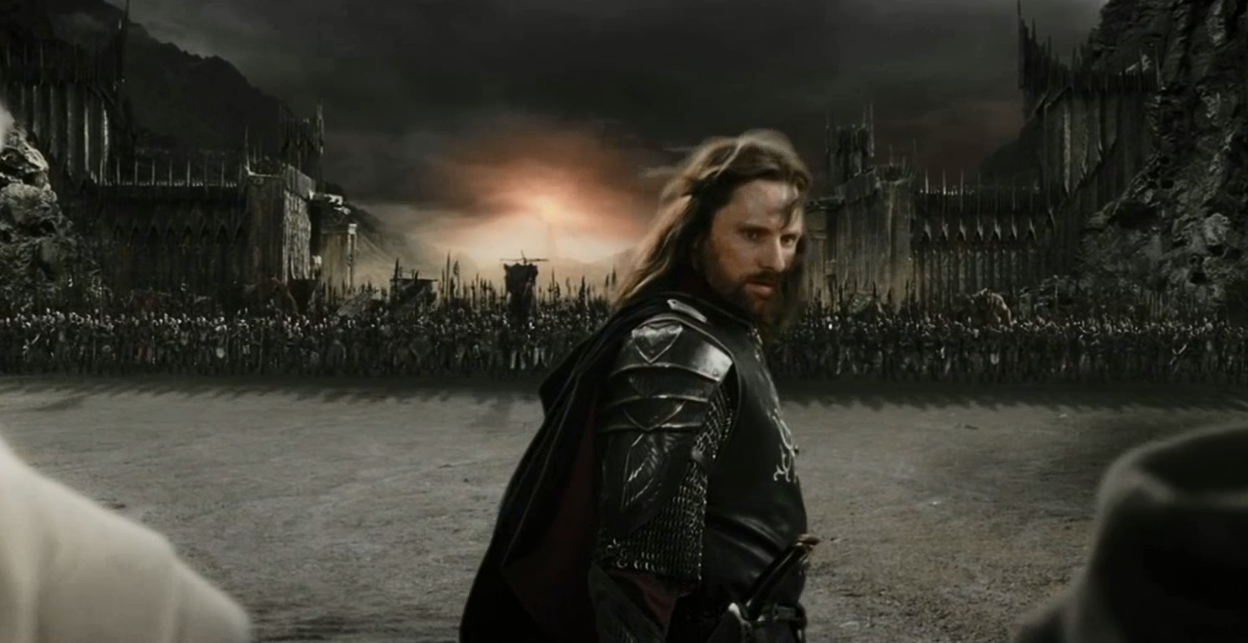
Peter Jackson’s “Lord of the Rings” trilogy films have kept their throne as some of the highest grossing movies of all time in Australia. So far, half of the top 10 most successful 2016 films are also action titles.

11. New Zealand – Action/Comedy

It looks like Kiwis can’t get enough action but also enjoy a few laughs during their film experiences. Recent top grossers include “Hunt for the Wilderpeople,” “Star Wars: The Force Awakens,” “Finding Dory,” and “Batman v Superman: Dawn of Justice.”

12. England – Comedy

Polls have shown that cinema-goers in England prefer comedy movies over anything else. The second most popular genre was action/adventure.

How to Incorporate Your GoPro in Your Cinematography

Screen Shot 2016-08-05 at 3.12.46 PM

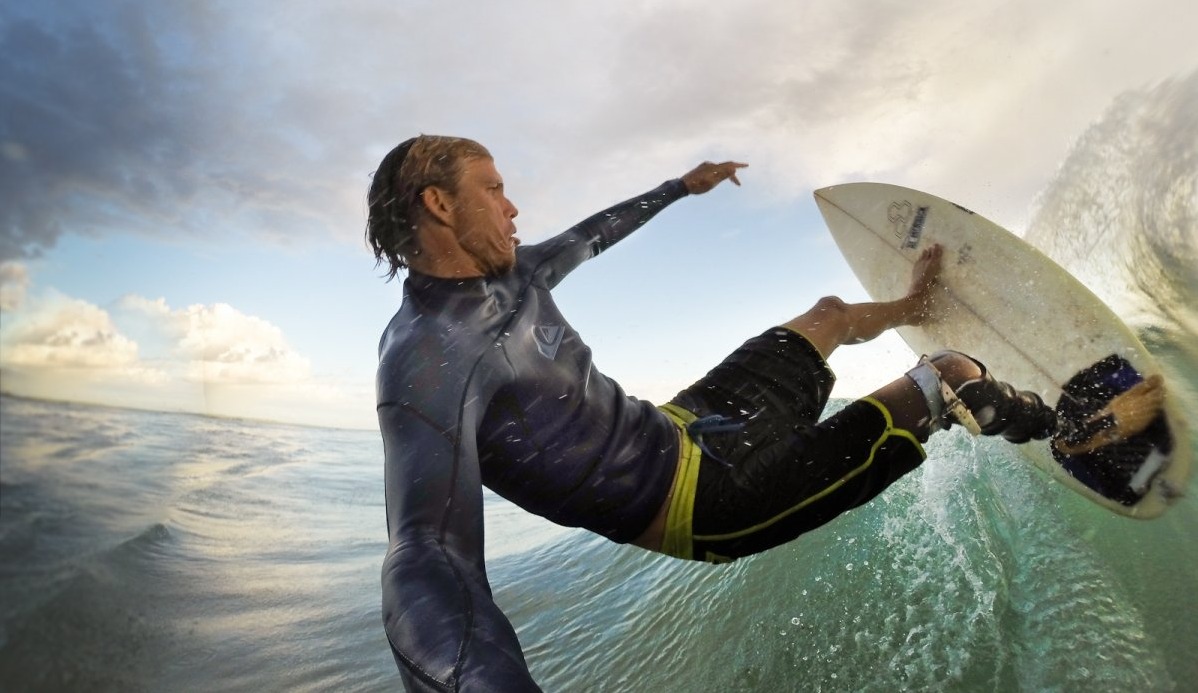
The GoPro was designed to solve a problem that Nick Woodman discovered while surfing in Australia in 2002; he wanted to capture the intensity of taking on big waves to share with others, but since he couldn’t afford the expensive equipment available at the time he had to settle for filming the surfers from the beach.

Enter the GoPro.

Although they didn’t immediately become widely used in Hollywood, GoPro cameras today are used in many professional productions, such as 2012’s “Leviathan” and 2014’s “Need For Speed.” Like these big-budget movies, you too can create amazing scenes with your GoPro. Of course it’s not enough to just strap it on and see what happens — you’ll need to plan ahead to enhance your cinematographic experience with this innovative tool.

Show Multiple Angles

Screen Shot 2016-08-05 at 3.14.41 PM

One of a cinematographer’s greatest responsibilities is giving viewers a sense of space. Another term used for this is coverage, which involves using several shots to let viewers know where they are. GoPro cameras make it easier to gain this footage since you can pretty much strap one on anywhere you desire.

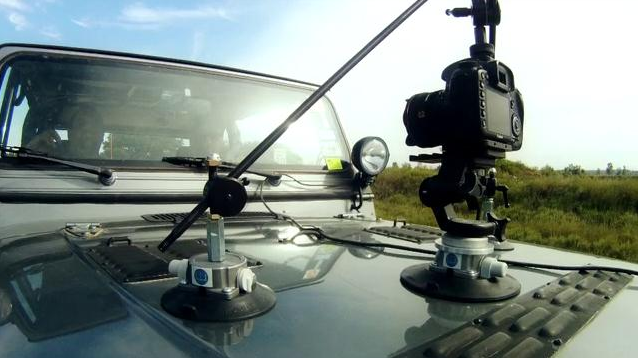
GoPro cameras are especially useful for action scenes, such as an intense car chase. You know filming the cars from a distance isn’t going to cut it, so what you do is attach a GoPro camera to one of the vehicles. Seeing the action close up as the vehicle zooms past surrounding objects will provide an entirely new level of immersion for the audience.

To really give a sense of space, professionals recommend using more than one GoPro camera. This was done in “Need For Speed” to give them more angles to use with during editing. With more views and footage to work with, they were able to combine together the shots that were more effective at sucking you into the action while not leaving you disoriented.

Use The Protune Setting

Simply put, the Protune setting on a GoPro allows you to capture a higher level of color image quality. You can seamlessly integrate between your GoPro and cinema footage to deliver gorgeous scenes, even if your regular camera is much more powerful. Even though the GoPro footage isn’t enhanced dramatically, but it is enough to be used in professional films.

With the Protune setting you can adjust a number of things, including exposure, ISO, white balance, sharpness, and more. More importantly, its color correction features lets you capture highlights and shadows by setting the color to flat. A flatter look provides more flexibility when looking to improve the footage in post-production.

Take It Anywhere, Shoot Anything


Screen Shot 2016-08-05 at 3.16.49 PM

Getting the most out of a GoPro camera means using it in ways no other camera can be. Arguably the neatest perk is its small size, which means you can easily take it anywhere you go and strap it onto anything. GoPro has given filmmakers all over the world the freedom to deliver video from immersive perspectives that previously required overpriced equipment.

Think outside the box to give an otherwise forgettable scene a bit more memorable. Shooting a scene where a bulky guy is benching hundreds of pounds? Strap the GoPro onto the end of the bar to let the audience feel the heavy weight being pushed up and down. From vivid sports moments and calm nature scenes to an intimate documentary interview, the GoPro eliminates the limitations of a regular camera.