Is Method Acting Truly Over? Jared Leto’s Joker

Make no mistake about it: the technique known as method acting has played a huge part in the history and evolution of the acting profession, and there are many venerated method actors still producing exceptional works today.

But does method acting have a place in the future of the industry?

That’s the question raised in a recent Atlantic op-ed entitled “Hollywood Has Ruined Method Acting.” It’s a bold claim, and one that is worthy of unpacking.

But first, what is method acting?

NYFA New York’s acting program chair Glynis Rigsby feels it’s important to recognize that this, in itself, is an important question: “’Method acting’ is typically aligned with the work of Lee Strasberg as separate and distinct from the many phases of Stanislavski’s work, Michael Chekhov, Sandy Meisner, Stella Adler and others. (Stanislavski had a system, Strasberg had a method).”

What made Strasberg and “the Method” distinct among  American acting techniques was an emphasis on intensely experiential, personal work — that can be gruelling physically and emotionally. This is usually what American audiences associate with “the Method,” in contrast to Russian innovator Stanislavski’s system, which also emphasized the actor’s use of imagination to portray their roles.

Why So Serious?
Screen Shot 2016-08-29 at 1.09.28 PM

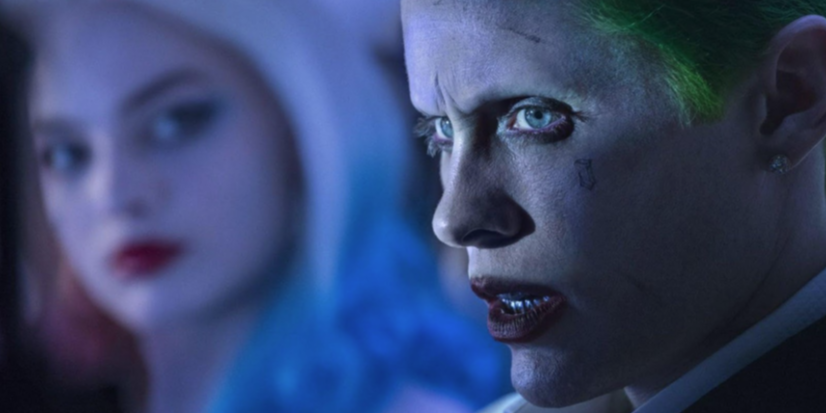
The Atlantic uses the oversaturated news about Jared Leto’s method acting during his turn as The Joker in “Suicide Squad” as a springboard for discussion, pointing towards how tales of his antics during production — sending cast members used condoms, forcing the crew to call him “Mr. J”, and marathon-watching tapes of real violence — has bombarded media reporting about the film.

And while the accuracy of these stories has been called into question, there’s no doubt whatsoever that they have generated more column inches than is warranted or necessary. As an unimpressed Esquire writer put it: “Can Jared Leto shut up about his method acting in ‘Suicide Squad?’ We get it.”

That was written long before the movie even came out. There have been even more press interviews since where the topic has been crowbarred in, to the point where it’s rare to see Leto’s name printed as anything less than “Method Actor Jared Leto.”

Alongside the fact that this is an annoyingly (and increasingly) popular marketing trick and arguably little else, the wider charge here is that it creates the illusion that there is no such thing as good acting without suffering.

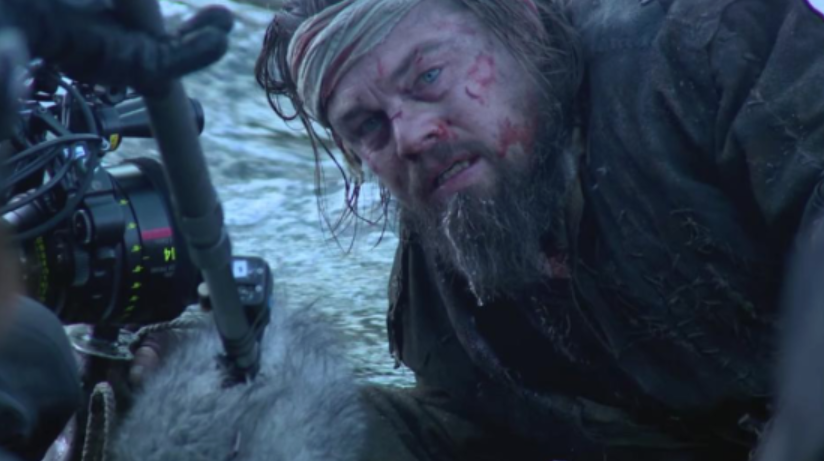
As Angelica Bastién notes in her Atlantic piece, a huge deal is made of the extremes of method acting (think DiCaprio’s tribulations during “The Revenant”). The issue here is that this sometimes happens to the exclusion of all else during the marketing — and critical examination — of a film.

Blood, Sweat and Weight Loss
Screen Shot 2016-08-29 at 1.23.07 PM

The main problem with this phenomenon is that when a high-profile actor claims to be a “method actor,” this is meant to signal to the media that they have accomplished “a performance worth paying attention to.” And that doesn’t necessarily follow.

That’s not to say that Leonardo DiCaprio isn’t a fine actor (because he is), but many industry insiders and actors feel that the Academy shouldn’t base their awards decisions on who lost the most weight for a role that year — or who slept in how many dead animal carcasses during production.

Bastién also makes a compelling case in her article for the gender disservice perpetrated here, too; when you think media talks of “strong” method performances, it’s nearly always males that come up — and acting “manly” in some physical way.

This overshadows exceptional performances by many female method acting giants (think: Melissa Leo in “The Fighter,” Jessica Lange, Ellen Burstyn), and raises the question whether a casting director, producer, or audience would have as much patience with a female lead pulling shenanigans in the name of “method acting” like Leto. Female method actors are arguably often ignored.

But all of this, of course, sidesteps the question of whether method acting in reality is the same as method acting in the media — and whether drawing attention to an actor’s preparation should matter when it comes to experiencing their performance.

Stanislavski’s Tool Box
Screen Shot 2016-08-29 at 1.19.46 PM

We’ve said it before and we’ll say it again: method acting is not a magic bullet that will instantly makeyou a better actor. It’s a tool to be used with specificity, purpose, and discipline.

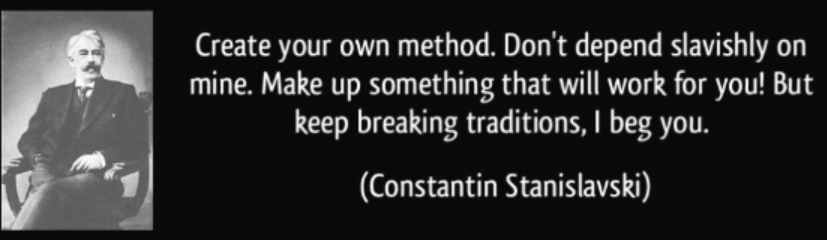
Constantin Stanislavski is seen as the father of modern acting, but his pioneering advances in the craft are often glossed over and he gets referred to simply as “the guy who invented method acting.” As we learned above, this is a misconception: Stanislavski’s innovations later inspired Lee Strasberg to create the robust and demanding style we think of as method acting.

Stanislavski himself was keen to urge students to find their own paths rather than rigidly follow his example, and had many more ideas to offer to an actor looking to expand his or her toolbox.

So Is Method Acting Over?
Screen Shot 2016-08-29 at 1.12.59 PM

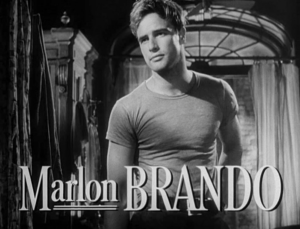
No. At least, not in the sense it’s the last we’ll hear of it in the media. And we hope that conscientious actors will continue to carefully apply their method skills in safe and smart performance choices. Method acting still has a place in the profession, as long as the story is put first and the spectacle of a performance (or related hype) remains secondary. Ultimately, it’s the performance — and not necessarily the actor’s way of working — that audiences remember.

If method acting is a discipline that works for you, it may be prudent to take a leaf out of Daniel Day-Lewis’ book: do the work and let your performances speak for you.
4 Seth Rogen Quotes Aspiring Artists Should Live By

Screen Shot 2016-08-24 at 3.52.09 PM

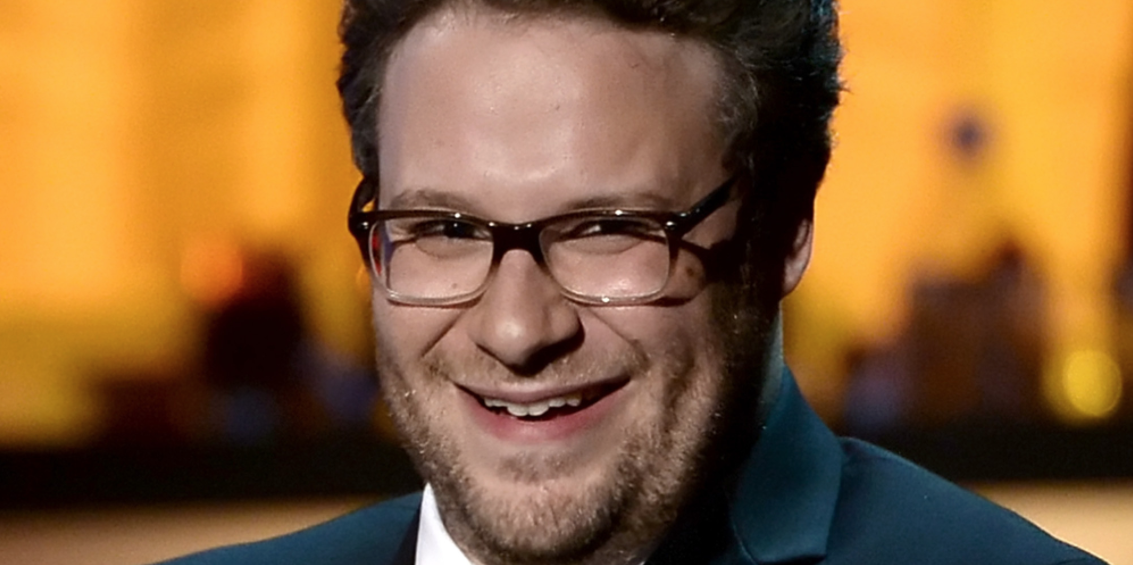
Seth Rogen might be your spirit animal if you’re an aspiring actor who enjoys making people laugh. Before the numerous awards and nominations, he was only a teenager performing stand-up comedy at small clubs and bar mitzvahs. Then he was starring successful films like “Knocked Up” and “Superbad.” Maybe — just maybe — aspiring artists could learn a thing or two by taking a page out of his playbook.

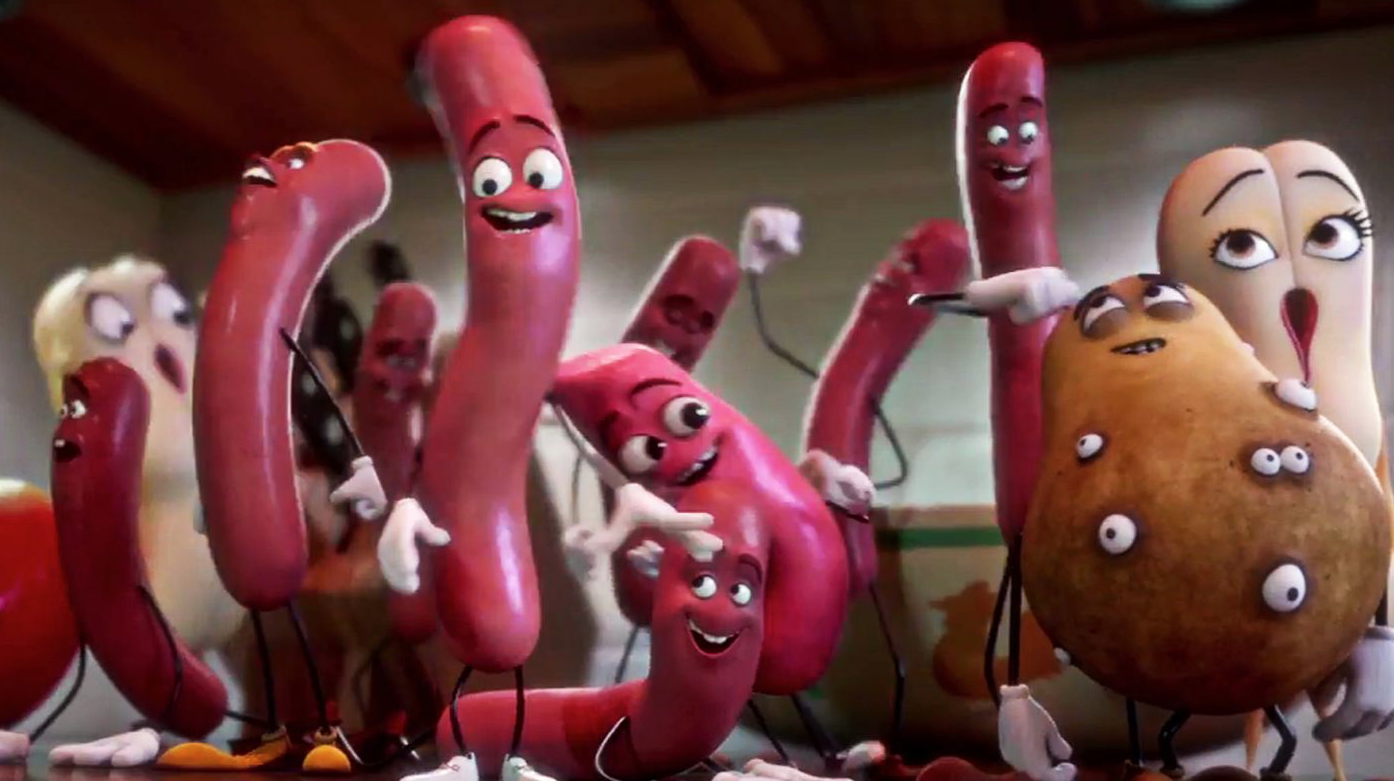
During an evening screening of “Sausage Party” hosted by NYFA Los Angeles, Rogen offered several nuggets of wisdom that all future filmmakers, actors, writers, and producers should heed. Whether you’re worried about finding a job after graduation or have trouble dealing with rejection, find solace in knowing that Seth Rogen faced the same and still followed his dreams.

Check out some of the exclusive insights Rogen offered to our audience of NYFA students.

1. On artistic collaboration and building a career: “Link up with someone who has a job you can’t do.”

Like in most other industries, finding success in show business is almost impossible when you go at it alone. There are few things more important than networking to start building relationships and getting your name out there. If it wasn’t for his early collaborations with Judd Apatow, perhaps Seth Rogen wouldn’t have found the same success he has today.

Of course, the best people to stick with are those who have different talents than you. If you’re a strong actor but have no directing or scriptwriting skills, partner up with someone who does. There are plenty of aspiring filmmakers out there who love working the camera but freeze up in front of it. That’s where you come in to star in their pilot — that will hopefully be greenlight by a big film studio.

2. On confidence and surviving rejection in the biz: “Just never stop. F-’em. That’s the idea, I guess.”

Screen Shot 2016-08-24 at 3.46.26 PM

Never give up. It’s the theme we love seeing in our favorite shows, movies, and even video games. Of course, not everyone comes out of the starting gate with confidence oozing from every pore. And those who do are often crushed when they face cold, hard rejection for the first time.

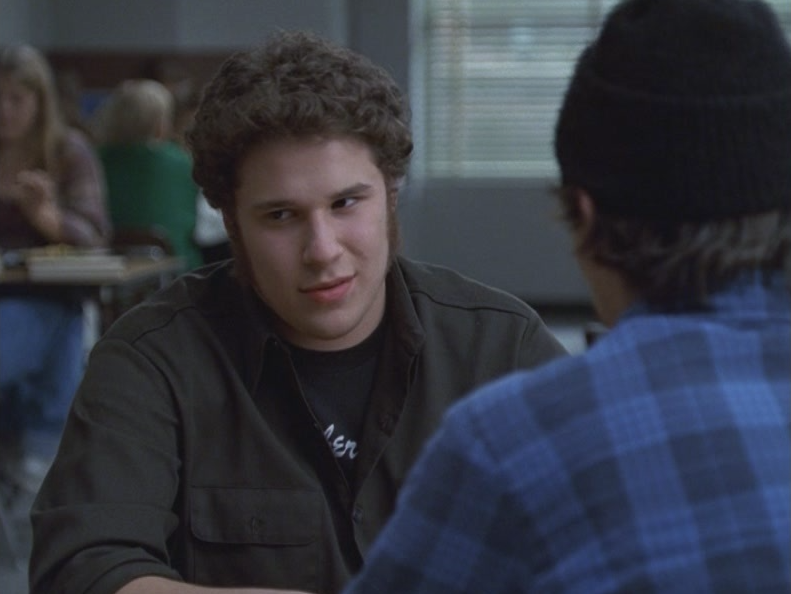
Imagine if Seth Rogen had given up when “Freaks and Geeks” — which served as his professional acting debut — was cancelled after one season due to terrible ratings. He was then rejected by NBC when Apatow chose him as the lead for his next show “Undeclared.” Despite all this, he kept going and was determined to make it … and make it, he did.

3. On being inspired to do your own thing: “Oh wow, movies could be so much more than I thought they could be. It was one of the most shocking things I ever – I could not believe what I was seeing.”

During his talk with us, Seth Rogen spoke about some of the films that moved him while growing up. Aside from his love for Pixar movies, which is one of the reasons he made “Sausage Party,” he also enjoyed raunchy comedy films. Among his favorites include “South Park: Bigger Longer & Uncut” and “There’s Something About Mary.”

Don’t be afraid to find inspiration from other great works, but be mindful that you tell your own stories. Strive to be unique. There’s nothing more satisfying than giving viewers something fresh and enjoying their response. Do your own thing and take risks, even if you end up needing a bodyguard for your work like Seth Rogen. 

4. If he had to give advice to his 13-year-old self: “I wouldn’t say anything just in case I (screwed) it up man. As a fan of time-travel movies,  I know that that would change things. So I would hide and just try not to sit on anything or step on anything that would adversely affect the future version of me. That’s what I would do. And I would kill baby Hitler.”

Screen Shot 2016-08-24 at 3.47.39 PM

As expected, Seth Rogen had us laughing all evening during his stay with us at NYFA Los Angeles. And even in his hilarious time-travel-phobia, there is wisdom; you can’t change the past, and maybe it’s better that way. Don’t waste time with regret or what might have been. All successful actors and filmmakers learn from their mistakes and failures in order to come back better than before. Despite plenty of challenges — including needing 10 years to find someone that would finance “Sausage Party” — Seth Rogen wouldn’t change a thing.

And neither would we.

Labor Day: 10 Great Netflix Movies to Watch This Weekend

Screen Shot 2016-08-31 at 10.08.25 AM

For many Americans, Labor Day weekend is a time to celebrate the achievements of workers in our country … by doing the opposite of work. That includes cookouts, maybe even a small party, and plenty of relaxing. After all, the last time most of us had a three day weekend was more than a month ago during Fourth of July.

What better way to kick back and relax than with one or more great Netflix movies? Gone are the days when you had to drag yourself to the nearest Blockbuster or rental store. Now you have plenty of great flicks to choose from, right from the comfort of your own couch.

We found some perfect Labor Day weekend flicks to help you relax and enjoy the fruits of your labors. With these Netflix films, work will be the last thing on your mind. Enjoy your break, and happy Labor Day!

1. “The Big Short” (2015)

Screen Shot 2016-08-31 at 10.07.42 AM

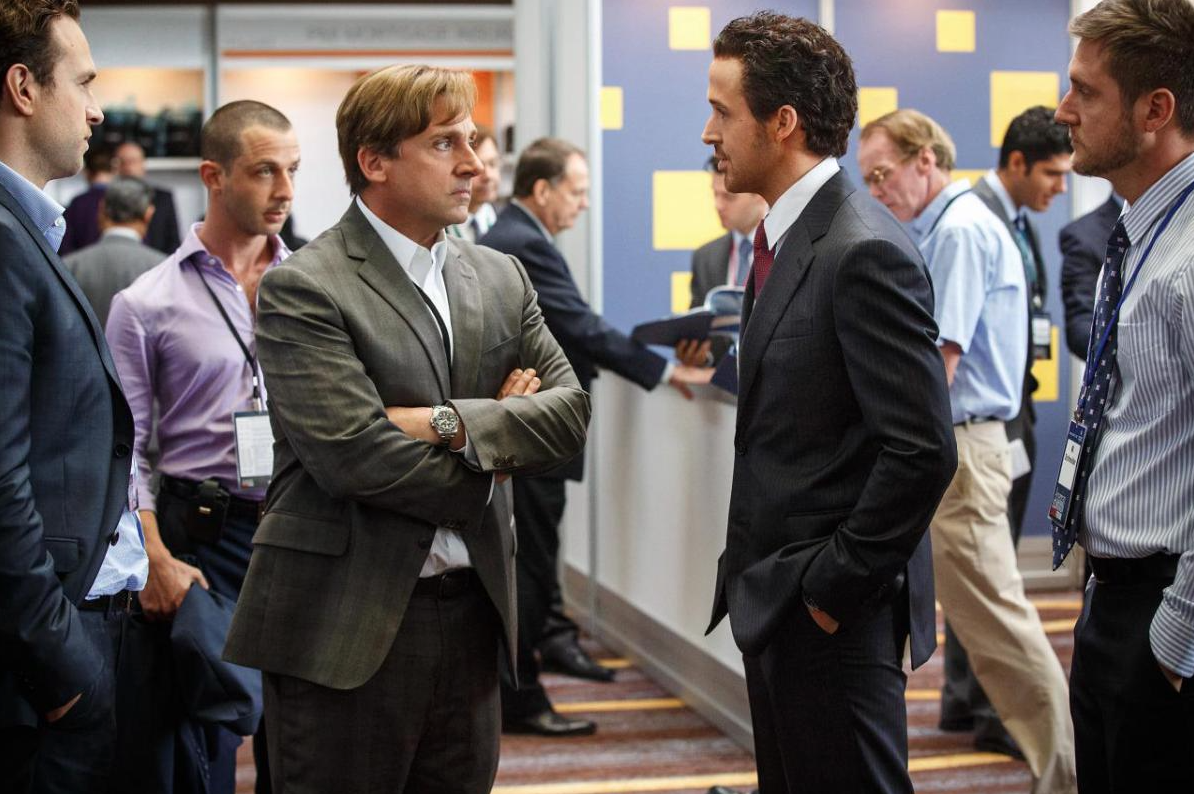
If you’re in the mood for a comedy-drama starring several high-profile actors, look no further. This film is a book-to-screen adaptation of Michael Lewis’ “The Big Short: Inside the Doomsday Machine,” and features Ryan Gosling, Christian Bale, Brad Pitt, and Steve Carell. How’s that for a star-studded cast? “The Big Short” is about four men who predict the housing collapse of the mid-2000s and then attempt to make big banks pay for their greed.

2. “Django Unchained” (2012)

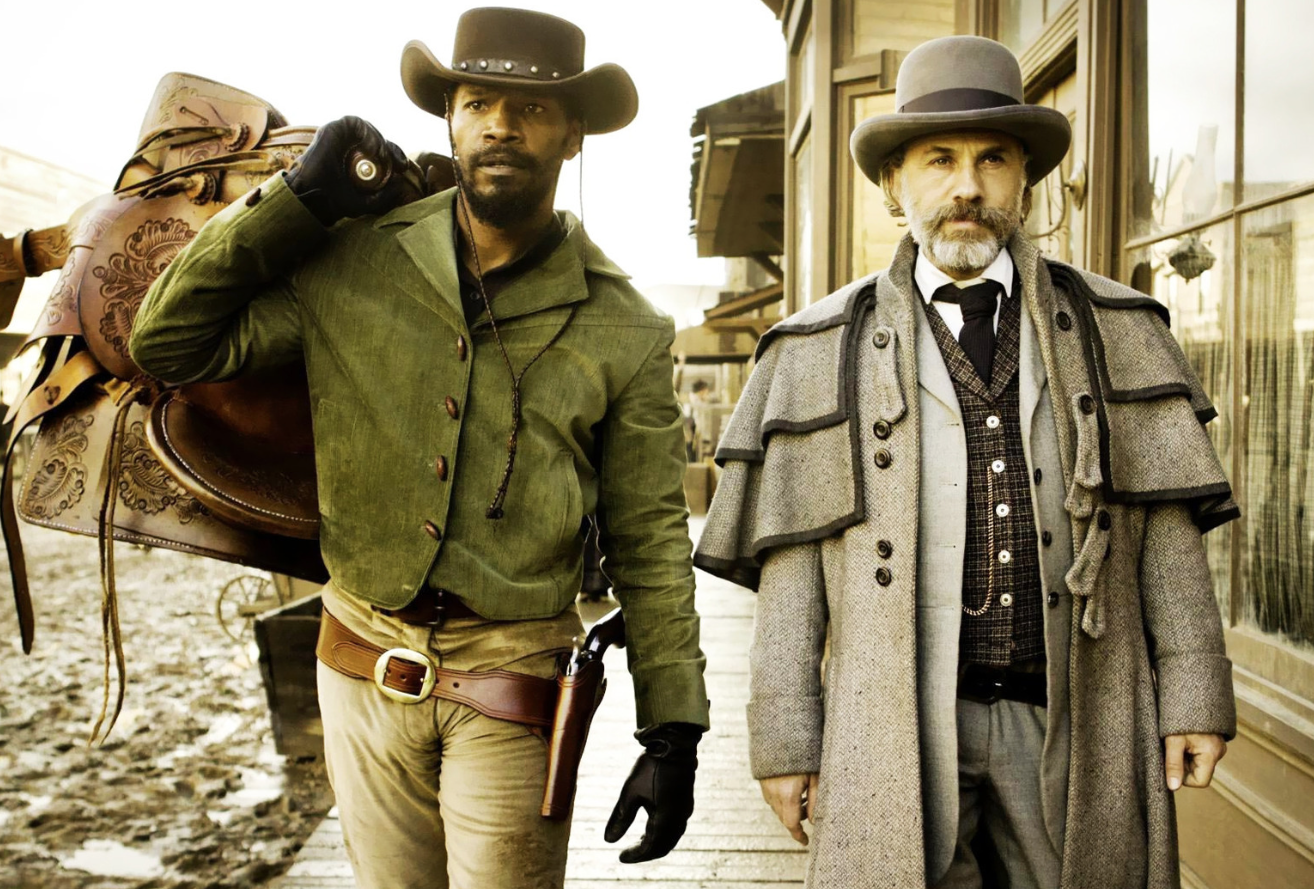
Written and directed by Quentin Tarantino, this movie is perfect if you want something with a great story and plenty of violence. “Django Unchained” tells the story of a freed slave looking to rescue his wife from a cruel plantation owner in Mississippi. This film has won several awards, including an Academy Award and Golden Globe, and is currently Tarantino’s highest-grossing theatrical release.

3. “Back to the Future” (1985)

A film that needs no introduction! The first “Back to the Future” film is a great choice if you want to watch something with plenty of humor and adventure. And if you can’t get enough of Marty Mcfly and the eccentric Doc, both “Back to the Future Part II” and “Back to the Future Part III” are also on Netflix as of this writing.

4. “The Lovely Bones” (2009)

Screen Shot 2016-08-31 at 10.06.49 AM

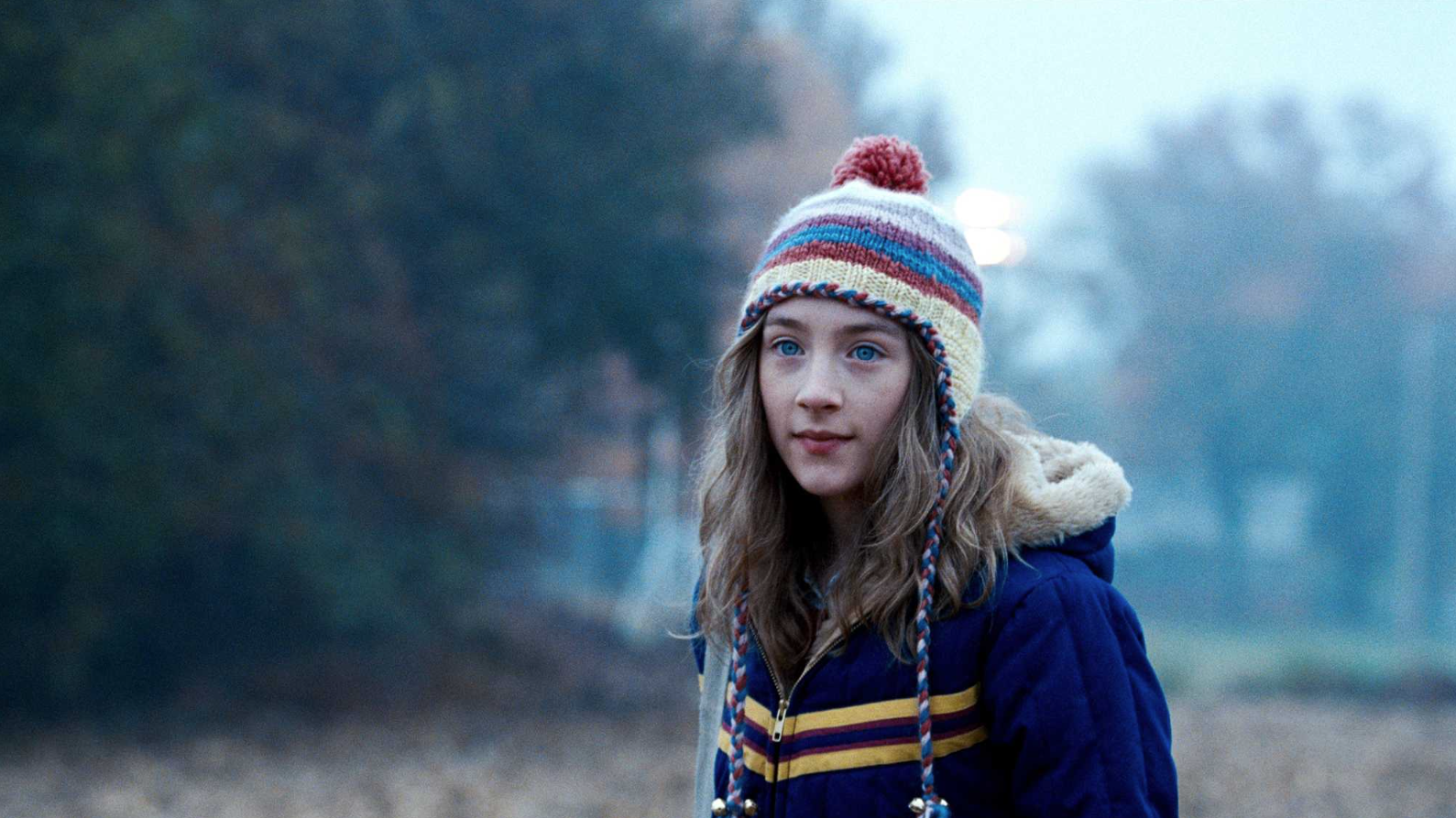
This supernatural drama was directed by Peter Jackson of “The Lord of the Rings” fame, and is an adaptation of the award-winning, best-selling novel of the same name. “The Lovely Bones” tells the story of a teenage girl named Susie who was murdered and now watches over her parents, Jack (Mark Wahlberg) and Abigail Salmon (Rachel Weisz).

5. “Love Actually” (2003)

While some count the days until Halloween and or Thanksgiving, many more can’t wait until that most wonderful time of the year. If you’re one of those jolly souls who seek out the Christmas spirit year round, we suggest watching “Love Actually.” This romantic comedy tells the story of eight unique couples as they deal with all sorts of problems just before Christmas. Notable actors include Liam Neeson, Keira Knightley, Rowan Atkinson, Laura Linney, and Alan Rickman.

6. “The Fast and the Furious” (2001)

“The Fast and the Furious” took the world by storm when it first released in 2001. This high-octane film never pretends to be anything more than an action-packed thrill, which is why it spawned a franchise that now has six successful sequels. The movie features the late Paul Walker as an undercover cop trying to stop semi-truck hijackers, outlaws led by a dangerous street racer named Dominic Toretto (Diesel).

7. “Forrest Gump” (1994)

“Forrest Gump” is one of those films you can always count on to put a smile on your face. We all know the heart-warming story of Forrest Gump and his quest to win the heart of his childhood friend, Jenny. This iconic comedy-drama stars Tom Hanks and is the winner of numerous awards, including six Academy Awards.

8. “Atonement” (2007)

Starring James McAvoy and Keira Knightley, this romantic drama tells the story of how a teenage girl derails the lives of several people with a single lie. After falsely accusing her older sister’s lover of a crime, the film shows the consequences of her actions over the course of several decades.

9. “The Princess Bride” (1987)

This cult classic is the perfect film if you want a great mix of comedy, romance, and even a little bit of action. “The Princess Bride” is a romantic fantasy adventure comedy where a farmhand named Westley (Cary Elwes) sets out to rescue the lovely Princess Buttercup from a terrible man named Prince Humperdinck. The story is presented as a book being told by a man to his ill grandson, and is adapted from the book of the same name by William Goldman.

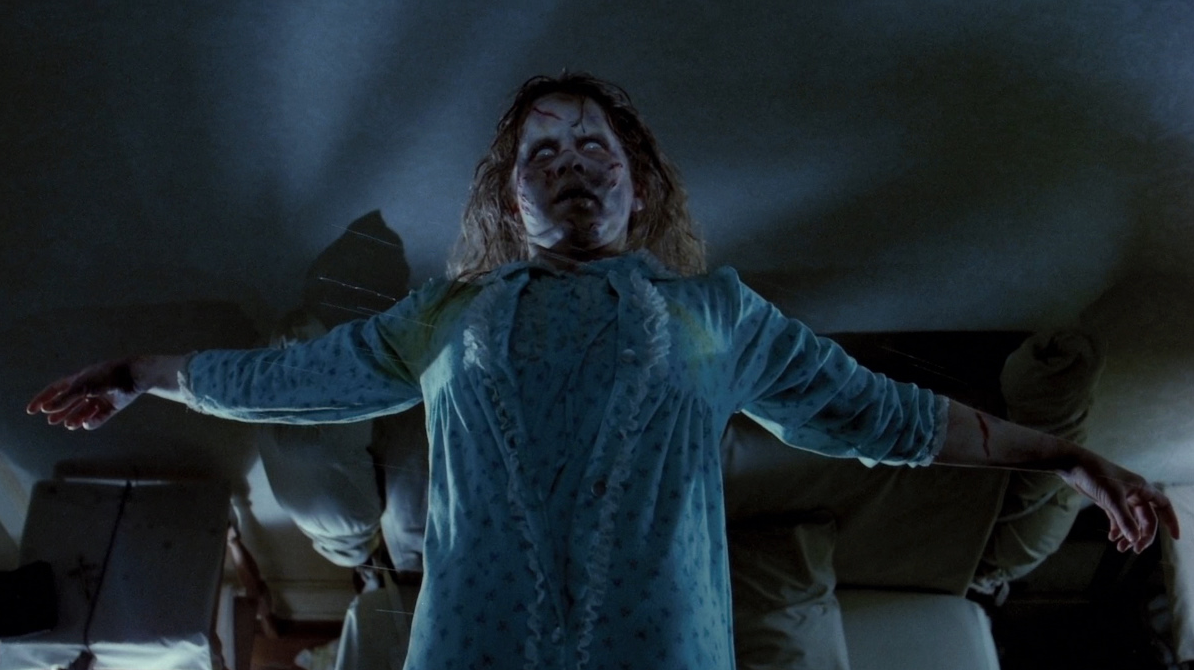
10. “The Exorcist” (1973)

Screen Shot 2016-08-31 at 10.04.43 AM

Prefer something more appropriate for upcoming Halloween? If so, you can’t go wrong with one of the most infamous supernatural horror films of all time. “The Exorcist” tells the tale of a mother whose young girl has been possessed by a demonic entity. With the help of two priests, she hopes to win back her daughter — even if it means putting them all in danger.

How will you celebrate Labor Day? Watch any of these films? Let us know in the comments below!

Beyoncé Music Video Evolution: 5 Cinematography Lessons

Screen Shot 2016-09-01 at 1.08.25 PM

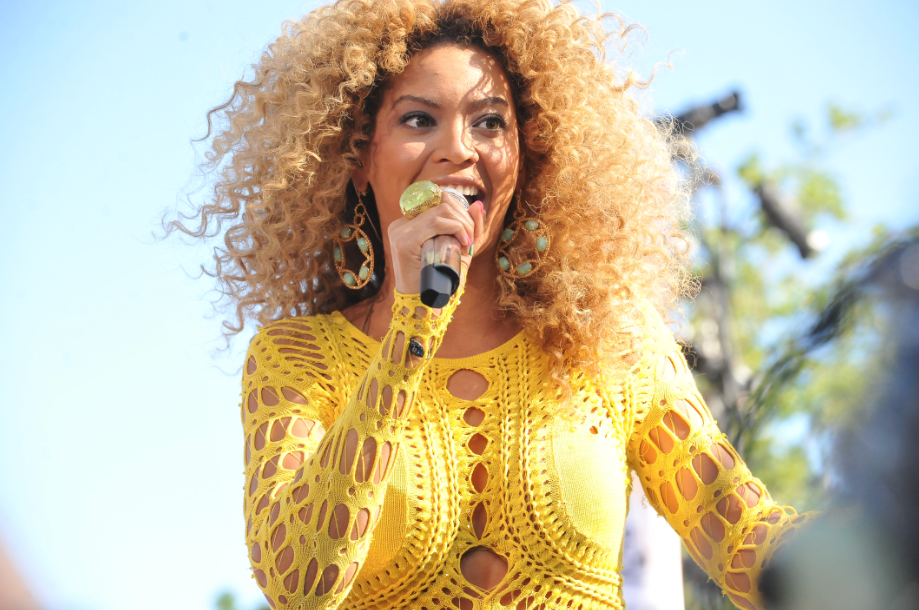
Beyoncé may have begun her career as just one member of a commercial RnB band, but Beyoncé has evolved over the past two decades to become the most powerful woman in entertainment and a master of all trades: singer, songwriter, dancer, producer, and business woman.

But Queen Bee has another talent that is frequently overlooked; Beyoncé has an amazing knack for great cinematography when it comes to her music videos.

September 4 marks Bey-Day, so it’s a fitting time to look back on the evolution of a pop icon with five of the most cinematically brilliant Beyoncé videos to date.

Single Ladies (Put a Ring on it)”

The one that put an already unprecedented career right into the stratosphere. With over half a billion views on YouTube, “Single Ladies” will always be a timeless icon of Beyoncé at her best.

Female empowerment is a hallmark of both Beyoncé’s songwriting and music videos, but she’s also got a penchant for black and white cinematography.

Coupled with a clever use of lighting to effectively remove the set entirely, the stark imagery and clean lines accentuate the exceptional dance choreography by putting it front and center. And while there are a few cuts in the video edit, the “Single Ladies” video was shot in one take — making the finished product even more of a technical marvel.

The golden lesson for filmmakers here is that less is often more.

“Run the World (Girls)”

While we all love a bit of stripped-back Beyoncé, she can also take it to feature film-like extremes to great effect, and the video for “Run the World” is a classic example.

Implementing a strong visual theme reminiscent of the post-apocalyptic “Mad Max” universe, everything here is cranked up to 11: alongside the usual dance-heavy routine, we’ve got an insane amount of extras, special effects, location and costume changes, props, fire, water cannons, and floodlights.

Oh, and a lion for good measure.

The color pallet is also eclectic, with bright block coloring of the girls’ outfits playing in contrast to the muted tones of the wider set and the monochrome outfits worn by the male extras.

The camera work in “Run the World” is worth singling out, too, since it’s effectively a master class in exploiting visually interesting angles. At one point (the 3:17 minute mark) it even shoots upside down.

The only thing stopping all this turning into a jumbled mess of visuals is a clinically perfect approach to the editing, with every shot exactly as long as it needs to be.

“7/11”

Aaaand we’re back to Beyoncé at her most basic. In fact, it’s the least technical music video she’s ever produced…

… because sometimes, the best approach is to just grab a camera and start filming.

From a musical standpoint it’s perhaps not Bey’s most well known track, but the video itself serves as a delightfully goofy reminder that, above anything else, filmmaking should be fun.

“Formation”

Beyoncé’s most political (and arguably controversial) video output to date, with more than a few overt references to Hurricane Katrina and racial tensions across the country.

The video was directed by Melina Matsoukas, a Grammy Award winner who has worked with Beyoncé on a number of occasions since 2007. Matsoukas stands firmly behind the idea of substance mattering far more than expensive equipment: “It’s not necessary for a quality video. A good video has the right visuals, a well conceptualized story and should be exciting and elicit reaction.”

With “Formation,” all those boxes are well and truly checked.

“Lemonade”

With the release of this year’s unanimously praised “Lemonade,” the queen of reinvention managed to push the envelope of innovation even further by putting out a 60-minute conceptual film to support the record.

Divided into 11 chapters incorporating poetry by Somali poet Warsan Shire, we couldn’t possibly explore the entirety of the visual extravaganza that is “Lemonade” in this short post. But suffice to say, this piece draws you in with impressive set pieces and a delicate yet purposeful handling of the divisive themes presented throughout. While “Lemonade” often delves into the poetically abstract, it never loses the viewer to outright obscurity and the pacing keeps things moving through both the light and dark of the album.

If this is the direction Beyoncé is heading for the next stage of her career, we’re all about it.

Here’s to 35 more years. Happy birthday, Queen Bee.

No Man’s Sky Review: An Emotional Roller Coaster

No Man’s Sky: a game with 18 quintillion planets, all of which are unique and fully explorable.

It’s quite the tagline, and thanks to some extremely impressive tech demos and convention appearances it’s little wonder that No Man’s Sky has generated an unprecedented amount of hype over the past year.

To put the scale of this thing into perspective: the number of grains of sand on the Earth is estimated to be around seven quintillion. That’s not only beaches — think all the world’s deserts, too. Now double it, and add in a few quintillion more for good measure.

That’s how many individual planets there are in No Man’s Sky.

Screen Shot 2016-08-15 at 5.10.36 PM

But, of course, scale doesn’t necessarily mean depth of gameplay. Close parallels can be drawn between No Man’s Sky and Elite: Dangerous, which is similarly gigantic but has been criticized as having gameplay that feels a mile wide but an inch deep. (At least during early stages of development.)

So let’s get down to business. While the PC community chewed its fingers down to the bone waiting for the Steam release on August 12, we’ve joined the legion of PS4 players who are already planet hopping. Here’s our review of No Man’s Sky, and a tour of the emotional roller coaster you’ll be on during the first hour of play.

Screen Shot 2016-08-15 at 5.12.08 PM

That Minecraft Feeling

Remember that feeling of giddy excitement and curiosity you had the very first time you played Minecraft?

Of course you do. We all do. It was one of those seminal moments in gaming for many of us, and we can happily confirm that the first 10 minutes of No Man’s Sky lives up to that exceptional sense of wonder given to us by its predecessor.

And, like Minecraft, very little is explained to you in No Man’s Sky. You’re stranded in a strange new world, and left to figure things out for yourself.

This leads to…

Utter Confusion

What am I doing? Where am I supposed to go? What’s all this stuff? Am I supposed to collect it?

Who knows. Certainly not you.

Screen Shot 2016-08-15 at 5.13.03 PM

But slowly and surely, you start to put all the pieces together and figure out how to repair your semi-broken ship. You’ll see what’s needed, and begin setting out across your own unique starting planet to gather it all.

And that’s when you’ll be hit by the first sense that you’re really, really small.

Abject Wonder

The sheer expanse of the game slowly starts to dawn on you, which comes with a wave of both wonder and terror. Much like staring out at our own Milky Way here in the real world, there’s something a little unsettling about realizing just how miniscule the scale of you and your operations are in context.

Screen Shot 2016-08-15 at 5.14.03 PM


And just as you get to grips with the enormity of your own world, your mind will creep back to the fact that there are 17,999,999,999,999,999,999 more floating around above your head.

And you’ll get to explore a tiny proportion of them …

… right after you fix this stupid spaceship.

Boredom

The grind is strong with No Man’s Sky, and once the initial wonder has worn off that’s when ennui sets in. (It does start to become obvious that it’s all algorithmically generated after a while).

You’ll plod around mindlessly collecting … well, stuff. Will you need the stuff later? Can the stuff be traded? At this stage, it’s a mystery.

Screen Shot 2016-08-15 at 5.14.51 PM

Despite there being a lot of stuff — some of it living and roaming around — there’s not a whole lot to interact with. And very little interacts with you. One of the problems here is that it’s quite easy, and not a lot threatens or interrupts your endless grind.

Except the “survival” aspect. Which brings us onto …

Annoyance

No Man’s Sky is billed as both an exploration and survival game. Unfortunately, in its present state the latter gets in the way of the former.

The exploration aspect is hugely enjoyable and very thrilling on a deep level, so it’s somewhat annoying to have all the fun jarringly interrupted by the constant need to top up your carbon or whatever. It gets mundane fast, and never eases up.

The exceptionally tiny inventory is also frustrating, and you’ll find yourself grinding to a halt often as you have to spend a few minutes rejigging everything in your quest to get spacebound.

Screen Shot 2016-08-15 at 5.15.32 PM

Once that ship is up and running, however …

Mind-Blown.

That sense of excitement and wonder you felt at the very start of the game? That’s nothing compared to the emotional suckerpunch that hits you when you leave your starting planet for the first time.

The sense of scale really is every bit as awesome, in the truest sense of the word, as has been hyped for all these months. It’s an unprecedented marvel, and to think that it was achieved by an indie game design team of just 10 people is nothing short of staggering.

It may not be living up to the hype right now — and really, how could anything live up to the hype that has surrounded No Man’s Sky? — but there’s a real sense that the excitement for the very idea and potential of this game is justified.

No Man’s Sky: Closing Thoughts

Typical first-day bugs abound. There’s a lot of room for improvement, and at times it feels more like a tech demo than an actual game. A better balance (and more variance) in gameplay elements is needed, and perhaps slightly more structure would help.

Screen Shot 2016-08-15 at 5.16.09 PM

But as you first break through the atmosphere and experience first-hand the scale and beauty of No Man’s Sky, you’ll smile to yourself.

This is probably going to change everything.

Have you had the chance to play it yet, or had you eagerly awaited August 12 for the PC launch? Do you agree that it’s a game changer, or see it as simply a weak Minecraft-in-space?

Share your thoughts in the comments below. See you at the center of the galaxy!

The Real Dogs Behind 10 Iconic Canine Roles

Who’s a Good Boy? The Real Dogs Behind 10 Iconic Canine Roles

There are more than a few bizarre national holidays out there. Take National Punctuation Day, National Miniature Golf Day, or Beer Can Appreciation Day, to name a few.

But here’s an odd holiday we can get behind: today is National Dog Day.

In homage to our canine pals, we’re looking back on 10 of cinema’s most famous pooches — as well as what became of them after the cameras stopped rolling.

No dogs were harmed in the making of this post.

10. Rin Tin Tin

Screen Shot 2016-08-25 at 4.17.41 PM

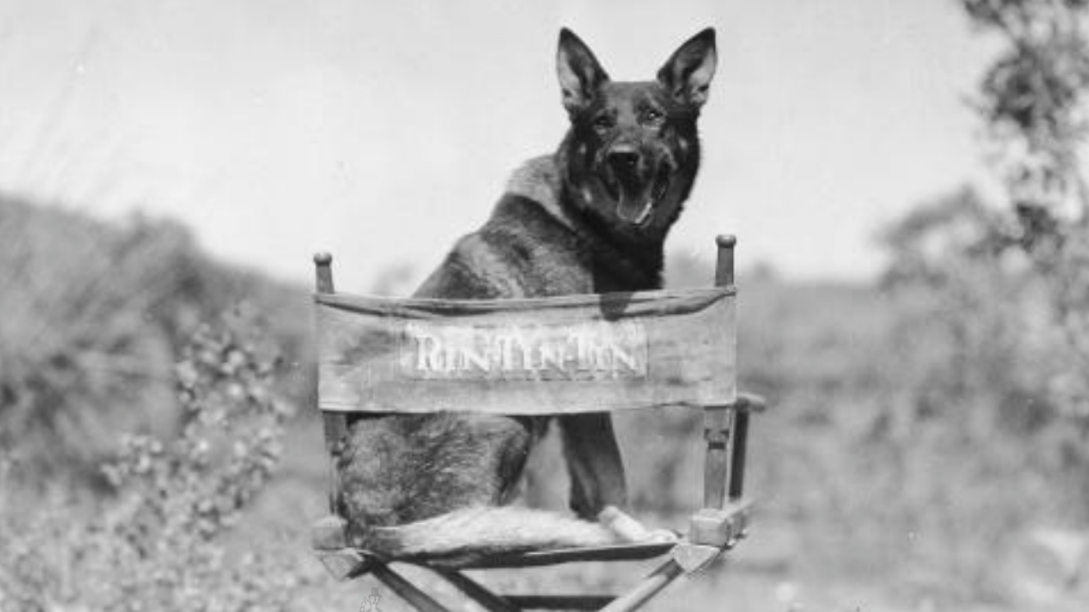
Arguably the first canine superstar, Rin Tin Tin starred in a grand total of 27 Hollywood movies – more than any other dog on this list – and dramatically increased the popularity of German Shepherds following his silent movie career throughout the 1920s.

What Happened to Rin Tin Tin?

He enjoyed one heck of a legacy.

Only three real-life animals have a star on the Hollywood Walk of Fame – Strongheart (also a silent-film era German Shepherd), Lassie and Rin Tin Tin.

He nearly got an Academy Award for best actor, too, at the very first Oscars ceremony. “Rinty” received the most votes in 1929, but the panel overturned it and gave Best Actor to human being Emil Jannings instead.

Rinty died from natural causes at home in 1932, and was buried in a bronze casket by owner Lee Duncan in his backyard. Following the sale of that home, Duncan had the casket exhumed and placed in the famous Parisian pet cemetery Cimetière des Chiens et Autres Animaux Domestiques.

The current “official” Rin Tin Tin is directly descended from the original and is the 12th generation, while other dogs from the bloodline are often trained as service dogs for children with special needs. Rinty could hold is own as #1 on most lists, and we put him at #10 in our list just so you would see this pioneer of dog cinema first.

9. Grayfriar’s Bobby

Screen Shot 2016-08-25 at 4.18.51 PM

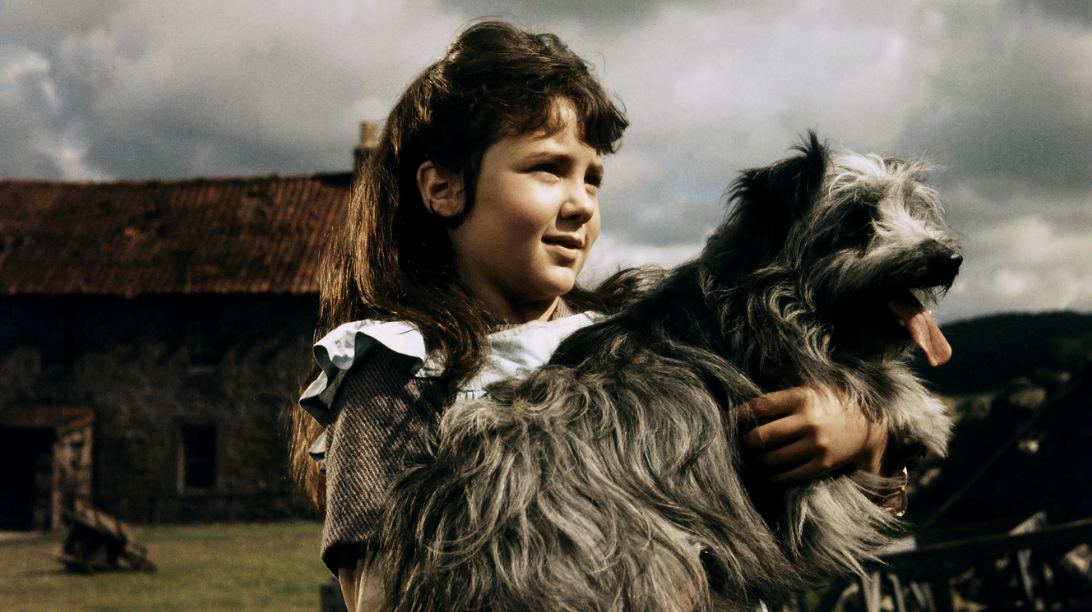
While perhaps not the most widely known, Bobby is easily the dog with the most legendary backstory. He featured in the 1961 Disney flick, which was based on a 1912 novel by the same name, which in turn was based on a real story from the 1800s. But that’s not the only thing that makes him special…

What Happened to Bobby?

The enduring story is that the original Bobby the terrier faithfully sat by his master’s grave in Edinburgh – regardless of weather – for 14 years.

While the original Bobby was eventually interred in an almost shrine-like grave just outside of Grayfriar’s Cemetery and near to his master, we had to dig really deep to find out what happened to the dog who played him in the Disney interpretation.

Intriguingly, film Bobby’s life was shrouded in mystery. Records suggest that the acting dog was gifted personally by Walt Disney to of one of Scotland’s most famous police constables, William Merrilees, on the strict instruction that Bobby was not to be shown publicly except for charitable causes.

A silent short hidden deep within the National Library of Scotland suggests that Merrilees donated the dog to a nursing home for children with disabilities, though whether or not this was staged is unknown — just like Bobby’s true fate. If you, dear readers, have any knowledge of Bobby’s whereabouts or complete story, let us know in the comments below!

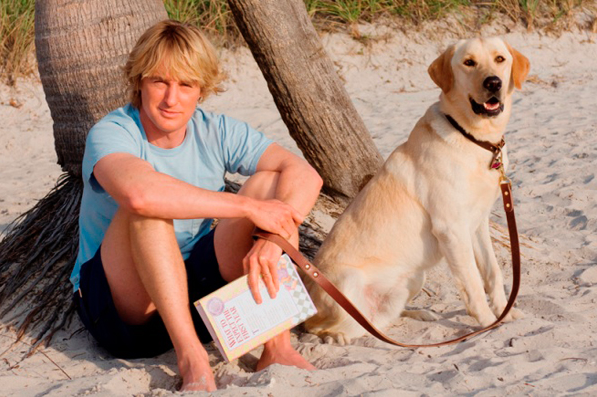
8. Marley

Screen Shot 2016-08-25 at 4.20.49 PM

The Labrador that made us cry buckets during “Marley & Me.”

What Happened to Marley?

Which one? There were 22 different dogs playing Marley, primarily because the film covers a span of 14 years in the life of the titular dog (that’s 98 dog years!).
The good news is that there’s a good chance many — if not all — of them are still living happily. The same cannot be said for any other canine icon on this list, however.

Sorry.

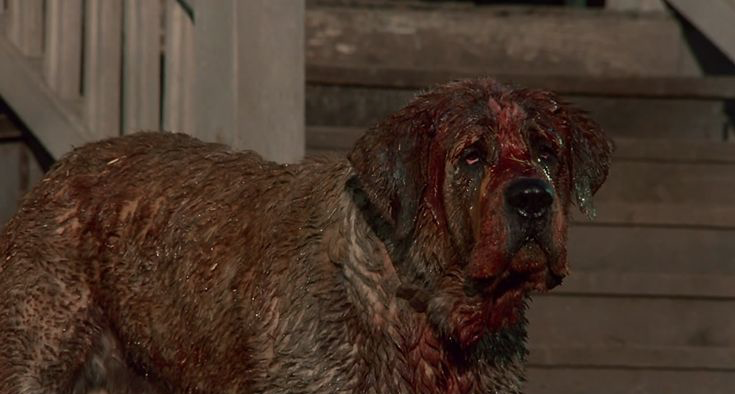
7. Cujo

Screen Shot 2016-08-25 at 4.23.44 PM

The first of two Saint Bernards on this list, and definitely the most evil of the two.

What Happened to Cujo?

Five different Saint Bernards were used during production alongside one mechanical head replica and — slightly less impressively — a man in a dog costume.

Despite the terror that unfolds on screen, the dogs themselves were useless at being scary; they had to have their tails tied down during filming to stop them from wagging happily (a notable gaffe shows this during one scene). And a Rottweiler had to stand in for numerous scenes because wranglers simply couldn’t get the Saint Bernards to look anything other than happy to be there.

The main dog featured sadly suffered an untimely death due to an infection during post-production, and the names of all the dogs who appeared in Cujo have been lost in the fog of time. If you happen to see any of these mystery Cujos, run for cover — and then let us know all about it in the comments below!

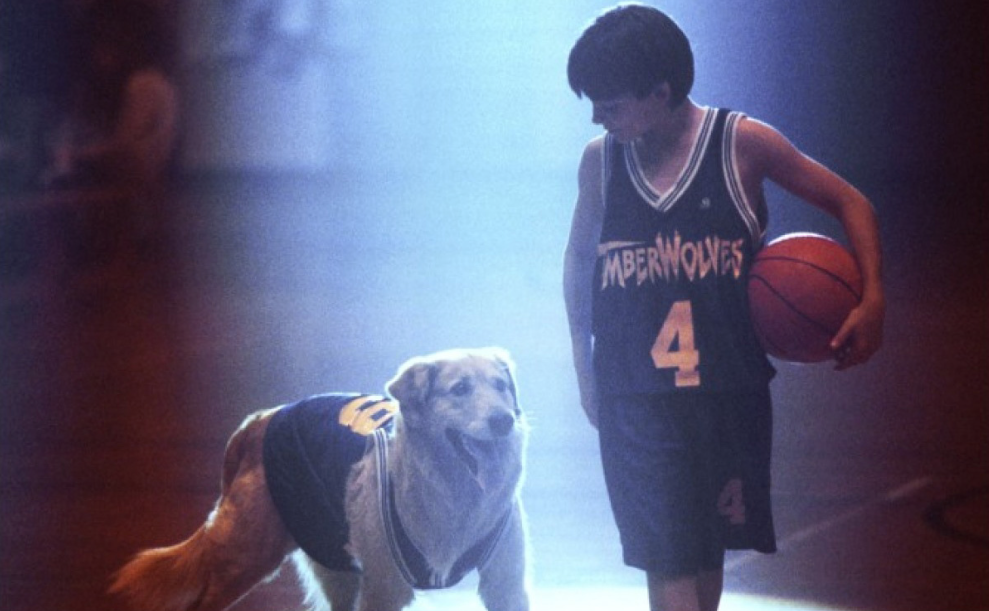
6. Buddy

Screen Shot 2016-08-25 at 4.24.43 PM

The sporty Golden Retriever behind the American/Canadian comedy “Air Bud” (and its many sequels).

What Happened to Buddy?

Art imitated life with this one, since the real-life Buddy was also found in a poor state before being adopted and taught numerous sports. In this movie, Buddy learns basketball, and each subsequent spin-off sees him master a different sport.

Buddy only acted in the original movie, for which he was nominated for a Kids’ Choice Blimp Award. Shortly after filming, he lost his right hind leg due to cancer and died from complications the following year, aged 10.

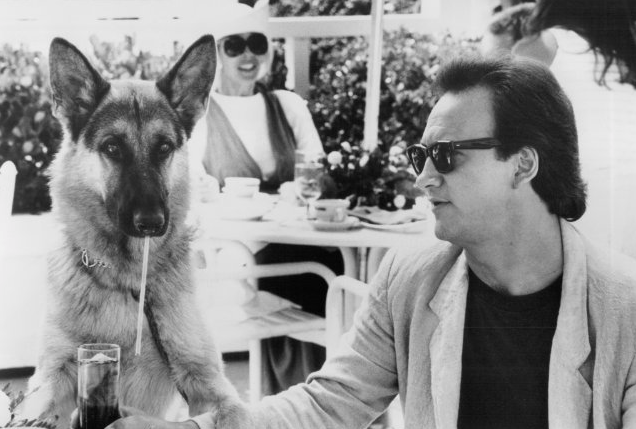
5. K-9

Screen Shot 2016-08-25 at 4.26.55 PM

The titular dog, Jerry Lee, who teamed up with a cantankerous cop (played by James Belushi) to take down a drug ring.

What Happened to Jerry Lee?

Forty dogs auditioned for this role but none of them were deemed suitable, so the crew flew out to West Germany and bought a litter of four for a whopping $10,000. Animal trainer Karl Miller (who also worked on “Cujo” and “Beethoven”) had just three months to train the pups for this movie. While three of the dogs went on to work in the film, it was the one known as Rando that had top billing. At the time, Miller stated, “The typical dog knows 10 or 15 commands, but Rando has anywhere from 125 to 150 actions he can perform. Anything the scriptwriters dream up, Rando can do.”

Nothing is known of Rando’s later career, but his performance was one of a lifetime. The New York Times declared that he’d upstaged Jim Belushi.

Ultimately, however, they were both upstaged by…

4. Hooch

Screen Shot 2016-08-25 at 4.28.36 PM

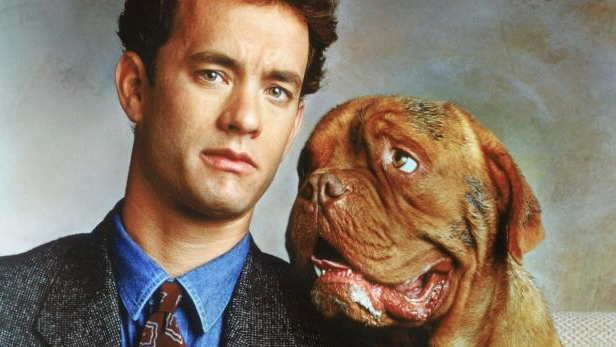
Of “Turner and Hooch” fame, the French mastiff who helped Tom Hanks in of his earliest movies — essentially the same cop-dog duo story as K-9, except this one fared better both critically and at the box office.

What Happened to Hooch?

Born in a Wisconsin dog kennel, Hooch (real name Beasley) was one of three dogs purchased for the movie’s production.

The fictional dog died at the end of the movie (for which an exact replica was created) while the acting talent lived to the ripe old age of 14 (98 in dog years!).

3. Toto

Screen Shot 2016-08-25 at 4.38.46 PM

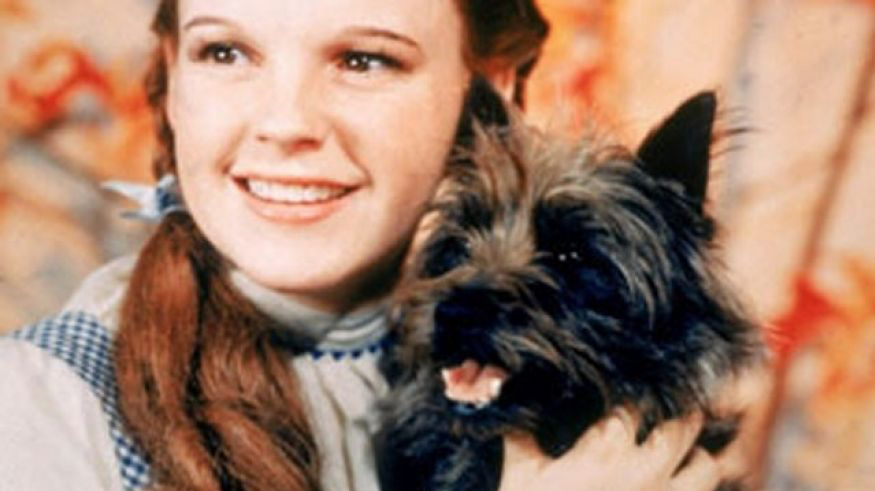
Dorothy’s famous Cairn Terrier companion during the 1939 classic “The Wizard of Oz.”

What Happened to Toto?

Fame went to his head. Kinda.

Terry the dog had his name officially changed to “Toto” following the success of the movie. And he was not only paid a salary, but earned far more than some of the human crew! Terry received $125 a week, while the Munchkin actors received around half that.

Toto went on to act in 13 different films and even has an “autobiography.” A permanent memorial was constructed in the Hollywood Forever Cemetery in LA after his original grave was destroyed by freeway construction in the late ‘50s.

2. Beethoven

Screen Shot 2016-08-25 at 4.39.57 PM

The gigantic ball of destruction central to the plots of eight different Beethoven movies (can anyone remember beyond the second?)

What Happened to Beethoven?

Introducing the world at large to the Saint Bernard breed, Beethoven was the canine actor’s real name. The dog was trained by Eleanor Keaton, none other than Buster Keaton’s widow. No wonder he was so good at slapstick comedy! 

Beethoven passed away not long after the second movie, though it’s reported that all of the dogs involved in the franchise were bred by Keaton.

1. Lassie

Screen Shot 2016-08-25 at 4.42.04 PM

The queen of movie dogs, who also dominated TV and radio too (as well as spawning a thousand memes).

What Happened to Lassie?

The female Lassie was played by a male collie, Pal, and heralded by the Saturday Evening Post as having had “the most spectacular canine career in film history.”

It nearly went a different way, however. Pal auditioned with 1,500 other dogs for the Lassie role, but the part originally went to a prize-winning collie — while Pal was recruited for stunts. During a difficult scene involving a complex river swimming routine, Pal stood in for the lead and nailed it in one take. The crew were so impressed (the director had “tears in his eyes” during the sequence) that Pal was handed the lead, permanently.

Pal died aged 18 in 1958, which hit lifelong trainer Robert Weatherwax exceptionally hard. The heartwarming news? Pretty much every subsequent portrayal of Lassie has been carried out by Pal’s direct descendants.

And, before we go, we can’t forget the original Benji!

Screen Shot 2016-08-25 at 4.46.02 PM

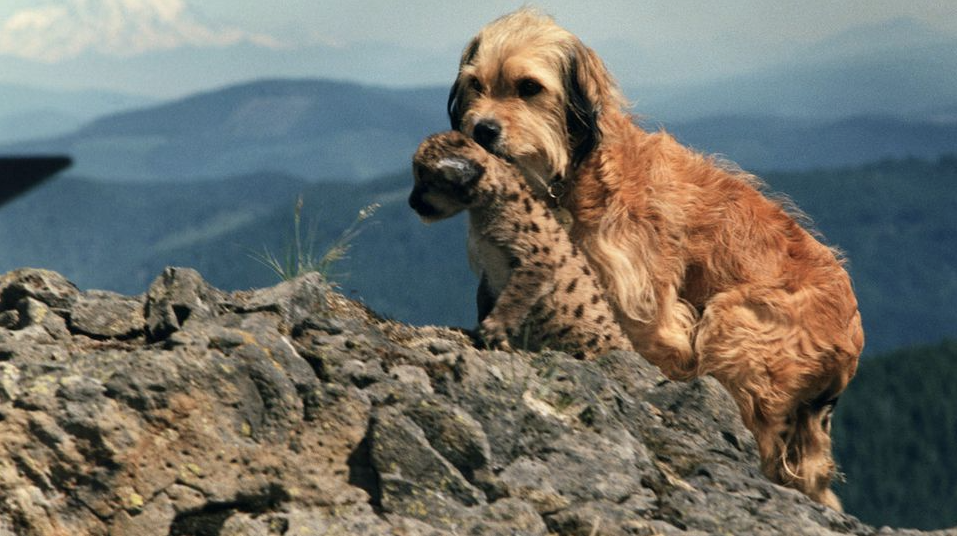
Alias: Higgins. Higgins the dog actor rescued from Burbank Animal Shelter as a puppy by trainer Frank Inn, and went on to become perhaps the most recognizable canine in the ’60s and ’70s. He worked closely with his master for 14 years and enjoyed an amazing 17-year lifespan. That’s 204 in dog years!

Good dogs, one and all. Have we missed a famous movie dog off this list that deserves celebrating? You know what to do – we’ll see you in the comments below!

4 Cannes 2016 Performances that Lived Up to the Hype

As NYFA looks forward to our participation at the Venice International Film Festival, it’s always fun to check in and remember more of the years’ stand-out film performances. It’s not too early to start your Oscar predictions — and before we lose our hearts at the star-studded festivals in Venice and Toronto, let’s take stock of some of the Cannes performances that won us over. This is a handy roundup of Cannes 2016 performances that lived up to the hype — and then some. 

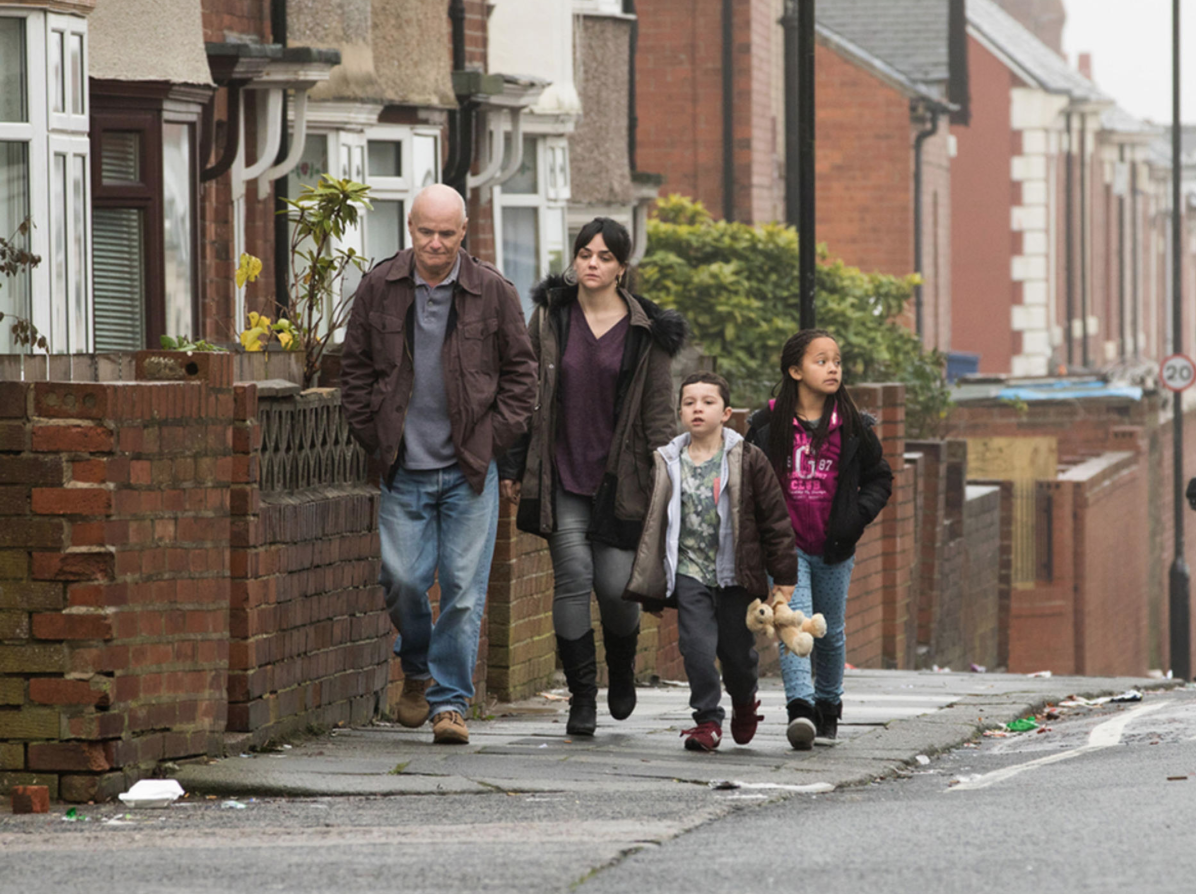
1. Dave Johns and Hayley Squires in “I, Daniel Blake”

Screen Shot 2016-08-19 at 10.05.10 AM

What better way to start than with the British film that took home the coveted Palme d’Or this year. Director Ken Loach delivers a captivating story where we see a realistic scenario of regular people getting cheated by the system. Those of you familiar with Loach’s past works know that he often works with bureaucratic injustice as his central theme.

“I, Daniel Blake” tells the tale of widower Daniel Blake (Dave Johns) and his battle to receive benefits after suffering a heart attack. Denied for no apparent reason, he finds himself in a welfare office where he meets Katie (Hayley Squires), a single mother with two kids who is also struggling to make ends meet.

Together, Johns and Squires do a fantastic job of portraying this desperate, unlikely pair as they see navigate a cruel system. Johns’s performance is both powerful and believable, allowing the audience to see Daniel as a decent but devastated man. Squires also delivers, imbuing her character with complex and subtle layers.

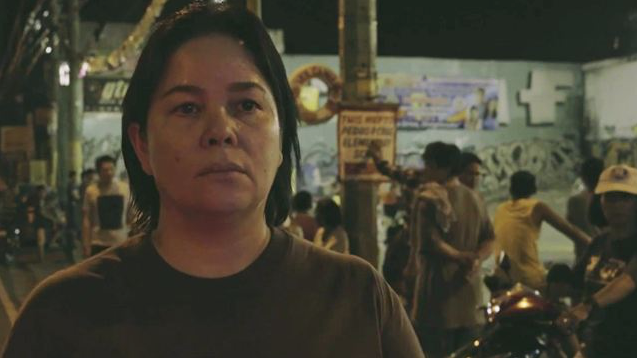
2. Jaclyn Jose in “Ma’ Rosa”

Screen Shot 2016-08-19 at 10.04.04 AM

“Ma’ Rosa” is Filipino director Brillante Mendoza’s latest film, and a return to the same style that made his 2009 film “Kinatay” an international hit. While Mendoza didn’t win another Best Director Award this year, lead actress Jaclyn Jose proudly won Best Actress.

In “Ma’ Rosa”, a woman named Rosa (Jose) owns a small convenience store with her husband in Manila. But with four children to feed, the couple is forced to sell illegal drugs from the store to make ends meet. After they is caught and arrested, their children must do what they can to save up enough money to free their parents.

Jose’s performance of a graceful yet resilient mother left an impression on the audience and jury members alike. It was a huge departure from her previous roles, which were often more bombastic and active. Jose’s historic win marks the first time a Filipino has ever won an acting award at the Cannes Film Festival.

3. Joel Edgerton and Ruth Negga in “Loving”

Screen Shot 2016-08-19 at 10.03.11 AM

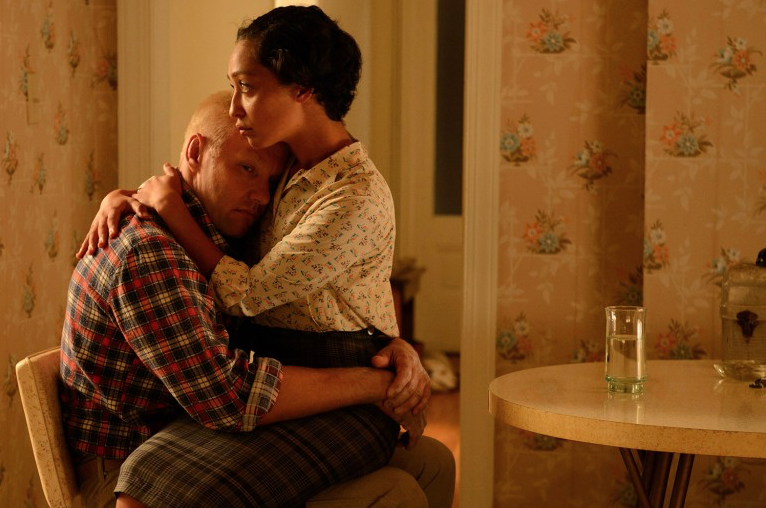
Both Negga and Edgerton gave viewers a memorable performance in this film about a mixed-race couple fighting for justice and equality during the late ’50s. Jeff Nichols’ historical drama has received widespread acclaim and was even given a standing ovation upon its first showing at Cannes 2016.

“Loving” weaves a charming tale of a Virginian couple who tied the knot — despite the fact that mixed-race marriage was illegal at the time. Their decision sparked enough controversy and outrage that the Supreme Court passed laws declaring their marriage unconstitutional.

Although the film went home with no prizes, Edgerton and Negga’s touching performances were considered among the best in the festival. The fact that “Loving” focuses less on the civil rights movement and more on the couple’s relationship allowed the talented actor and actress to deliver an intimate, heartwarming story.

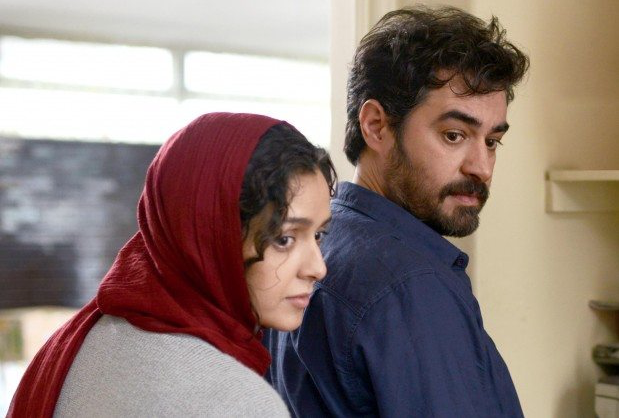
4. Shahab Hosseini in “The Salesman”

Screen Shot 2016-08-19 at 10.01.53 AM

In 2011, Asghar Farhadi saw his hard work pay off with “A Separation.” The Iranian drama film won several awards, including the Academy Award for Best Foreign Film. With “The Salesman,” Farhadi has crafted yet another thrilling film that’s sure to be a contender at the next Oscars.

Along with Best Screenplay, “The Salesman” snagged the Best Actor award for Shahab Hosseini’s performance. The film combines elements of murder mystery and drama, creating a revenge thriller that left Cannes viewers with eyes glued to the screen.

The film tells the story of Emad (Hosseini) and Rana (Taraneh Alidoosti), a young married couple involved in a small theater’s production of Arthur Miller’s “Death of a Salesman.” While living in a shoddy apartment previously inhabited by a prostitute, Rana is beaten and possibly raped by a man who was looking for said prostitute. Hosseini delivers a convincing performances as an angry husband tracking down the unknown man.

With Cannes 2016 behind us, we still have much to look forward to — whether catching up on these incredible performances, enjoying new festival surprises, or placing our bets in the inevitable Oscars race ahead.

What are you favorite film festival performances of 2016? Let us know in the comments below!

Marketing Your Podcast: 7 Newbie Mistakes

Marketing Your Podcast: 7 Newbie Mistakes 

How do you attract new listeners to your podcast and increase downloads? There’s a myriad ways to do this and their effectiveness depends hugely on the type of podcast content you’re producing, but there are some surefire pitfalls that’ll likely see you never move out of single digit listener figures…

… today, we’re looking at some of the most common mistakes both amateur and pro podcasters frequently make.

Screen Shot 2016-08-19 at 1.39.09 PM

For the purpose of this post, we’re going to go ahead and assume that you’ve already begun posting episodes and have a dedicated podcast website to promote (if not, the most popular free podcast hosting sites to check out are Podbean, Libsyn, Podomatic and Buzzsprout.)

1. Not Putting Your Podcast On iTunes

Apple has long had the monopoly on podcasting — and that isn’t likely to change anytime soon. While there are plenty of other services to tap into that listeners favor over iTunes, you’re hamstringing yourself if you don’t play ball with the big daddy.

Screen Shot 2016-08-19 at 1.43.34 PM

The main reason podcasters don’t upload to iTunes is that they’re daunted by the complexity of it all. In reality, it’s surprisingly easy to get listed; most hosting services automate this process, but even if you’re doing it manually, Apple has released a step-by-step guide that doesn’t take long to follow.

Once you’re on iTunes, don’t forget to urge your listeners to leave reviews. Common consensus is that this is the main metric Apple consider when it comes to placing your podcast prominently on the store.

2. Not Putting Your Podcast Anywhere Else

Because iTunes is only the first step.

Screen Shot 2016-08-19 at 1.55.26 PM

Having your own podcast website as a one-stop shop for all the episodes is fantastic. But the problem with relying on your website alone is that unless you do extensive SEO work, your website won’t do much to put itself in front of the eyeballs of anyone who isn’t already looking for it.

Sites like YouTube and Soundcloud, on the other hand, do much more. Although an element of luck is involved, reproducing the podcast there at least creates the chance that the sites’ algorithms will auto-suggest your content to new people. If you’re looking at other sharing platforms, you’re missing a trick. Try to hit as many platforms as possible.

It might seem counterintuitive to diffuse the podcast across numerous places, but a listener is still a listener — and a decent portion of people will follow the description links back to the original source, i.e. your main website.

This point leads us neatly onto…

3. Depriving Your Listeners of Follow Options

We’ll be the first to admit that it can feel like a bit of a chore maintaining increasingly numerous social channels and making sure a podcast works for all devices, but in this day and age it’s extremely important to cater to all potential listeners.

Screen Shot 2016-08-19 at 1.35.44 PM

Just expecting people to revisit the website to see if there’s any new content won’t work. People want notifications.

A working RSS feed is essential, and you’ll hopefully already be on iTunes. But don’t neglect Android users, and bear in mind that some people still prefer to get their notifications via old-fashioned email.

A quick way of doing this? Simply use the following code courtesy of Blubrry.com – just remember to add your own podcast url:

Android:

<a href=”http://subscribeonandroid.com/YOURPODCASTURL/” title=”Subscribe on Android”><img src=”https://assets.blubrry.com/soa/BadgeLarge.png” alt=”Subscribe on Android” style=”border:0;” /></a>

Email:

<a href=”http://subscribebyemail.com/YOURPODCASTURL/feed/” title=”Subscribe by Email”><img src=”https://assets.blubrry.com/sbe/EmailBadgeLarge.png” alt=”Subscribe by Email” style=”border:0;” /></a>

Both of those will generate a little button that listeners can click on and get instant notifications via their method of choice. Add these to the website’s sidebar (along with your RSS and iTunes links) and they’ll have plenty of options to keep up-to-date with new episodes.

4. Making Your Podcast’s Concept Convoluted

Very few people want to hear someone monologuing for an hour without any structure (and one-person podcasts are rare, as we cover further down). So it’s especially important to have a strong hook if you want to snag a listener’s interest and stand out from the crowd.

This hook doesn’t need to be a “gimmick,” per se; it could be a niche topic that few other podcasters are addressing, or a novel concept for the format.

Whatever you do, make sure you can explain it in one sentence — much like a good book or film. “Two women review classic film noir movies” is strong; “two women watch old movies while drinking beer and talking about the news that happened last week” isn’t.

5. Not Investing in Your Podcast’s Audio Quality

Given that podcasting is an audio-only medium, it’s surprising how many podcasts currently active feature extremely low-quality audio. Needless to say, very few (read: none) of them ever make it into charting positions.

Screen Shot 2016-08-19 at 1.37.46 PM

Don’t be one of them. A good mic is obviously important, but don’t skimp on quality headphones either. If you’re listening back to the podcast on your laptop or phone speakers while editing the episode, you’ll never get a good handle on the levels without great headphones.

To go above and beyond in the quest for audio quality, you may want to also invest in an above-standard hosting package that offers more than the standard free packages available through most services. You’d get more control, a dedicated .com address, and greater analytics insight. But if your production value isn’t up to scratch to begin with, a fancy hosting package would be putting the cart before the horse.

6. Failing to Capitalize on Collaborations

There’s no quicker way of growing a new podcast from scratch than to collaborate with other podcasters. Once you’ve got a few stellar episodes under your belt, many low-level podcasters will be delighted at being invited onto your show, and hopefully the offer will be reciprocated.

As you grow, you’ll be able to set your sights higher and hook up with podcasters that have bigger listener-ships. Just don’t spam, for heaven’s sake. Aim to form meaningful connections with podcasters operating within the same niche. And you’ll probably want to invite guests to your podcast at least once every episode to add a little spice and keep your content engaging.

7. Dropping off Schedule

Not posting episodes of what is supposed to be a weekly podcast for weeks on end is anathema to growing your audience, and it’s hard to regain momentum again after a hiatus.

Sounds obvious, but it comes as a result of something that isn’t obvious: podcasting is time-intensive.

Screen Shot 2016-08-19 at 1.37.32 PM

Many newbies go in thinking it’s as simple as turning on a mic, hitting record and uploading the results online. The truth is that coordinating recording windows with guests or co-hosts, detailed editing, writing show notes, and maintaining the infrastructure of the podcast takes time.

So don’t promise too much going in. You can always ramp up the frequency of episodes further down the line, but it’s detrimental to drop back from what your listeners expect.

But don’t be disheartened. There’s never been a better time to get into podcasting, and when it goes well it’s hugely rewarding.

Best of luck, and don’t forget to let us know what you’re working on in the comments below!

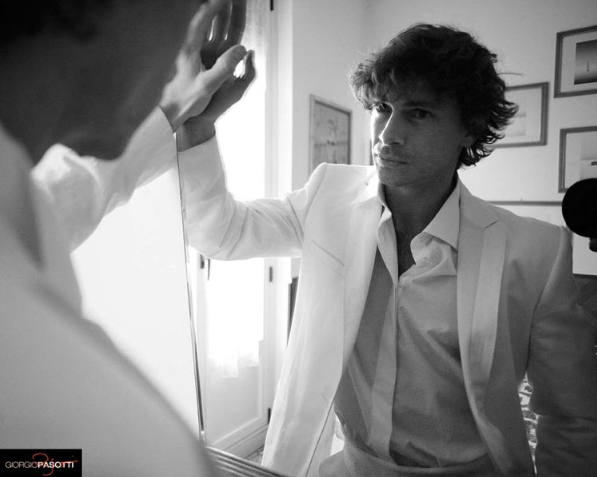
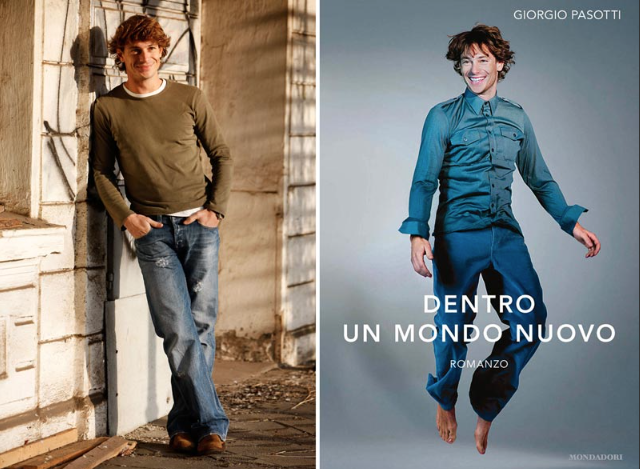
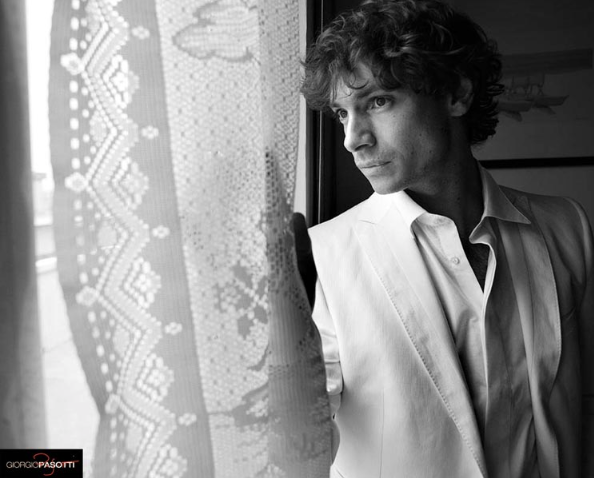
Venice Film Festival Spotlight on: Giorgio Pasotti

With the 73rd Venice Film Festival rapidly approaching, it’d be remiss to waste the opportunity to highlight a familiar face on the scene: former NYFA acting alumnus Giorgio Pasotti, acclaimed Italian actor and former European martial arts champion.

While Pasotti is now a highly celebrated actor in his native Italy and beyond, it wasn’t originally something he’d set out to become. In fact, it was the film industry that came knocking on his door, far away from home.

Screen Shot 2016-08-18 at 2.44.54 PM

At the young age of just six, Pasotti’s father – a martial arts expert – introduced him to karate and wushu, and young Giorgio quickly took to the discipline, achieving the highest rank in the Chinese martial arts. This lead him to seek out further training in the Far East where he refined his skills further, eventually moving to China permanently in 1992.

The plan was to carry on pursuing martial arts. Yet fate, as it often does, had other ideas.

The Rise of a Dragon

A year after Pasotti’s relocation to China, a small production company based out of Hong Kong was searching in vain for a classically good-looking Westerner who also displayed extreme prowess in karate. Luckily they found then-20-year-old Pasotti, who agreed to take on the challenge of playing an American who was destined to become a shaolin monk.

“Treasure Hunt” was released in 1993, and did well enough to attract Pasotti further work with “Two Shaolin Kids in Hong Kong” and “Dragon Fury II.” Despite further offers and the underground success of these kung fu titles, Pasotti felt that his time in China had run to a natural close and made plans to return to his native Italy.

The acting bug, however, had bitten, and Pasotti’s homecoming took a surprising turn.

Pasotti’s intention was to focus on martial arts. He  became a member of the Italian Wushu Team and won numerous international events. Yet it wasn’t long before the pull of acting lured him to yet another part of the world; with his established sporting career giving him greater freedom of movement, Pasotti set his sights on Los Angeles.

From East to West

It was here that Pasotti pursued a new passion, enrolling in the New York Film Academy’s Los Angeles campus to study acting at a formal level. The driven performer managed to keep up with martial arts while simultaneously working towards his acting degree.

Screen Shot 2016-08-18 at 2.51.46 PM

The rest, as they say, is history. Following an intense program of training, Pasotti returned to Italy as a NYFA graduate and immediately began climbing the ladder to stardom, becoming an in-demand actor in not just film (winning the Shooting Star award at the 2004 Berlin Film Festival) but also on television, theater and in music video. As if that weren’t enough, he’s also turned his hand to directing with the 2004 short, “The Never Say Goodbye.” Pasotti has also supported important causes by directing awareness ads for HIV prevention.
Given that Pasotti’s hometown of Bergamo is only a couple of hours away from the City of Bridges, it’s perhaps no surprise that he’s regularly seen at the Venice Film Festival — and this year is no exception.

The Festival Begins

Screen Shot 2016-08-18 at 2.45.27 PM

The New York Film Academy is proud and honored that Giorgio will appear for a rare Q&A as our special guest at NYFA’s student showcase in the 73rd Venice Film Festival. Pasotti will speak about his career after NYFA, introduce the screenings of five exceptional short films, and take questions in an informal reception during the event.

This invitation is extended to anyone who’s in the Venice area on September 1, 2016 — and there’ll be plenty of opportunity to network with the industry and press in attendance at our cocktail hour between 1:15 to 2:15 p.m.

Of course, the stars of the show will be the five filmmakers featured during the event, spanning the gamut of genres from animation to documentary.

See this post for more information regarding the event and the films being shown. We hope to see you at the Excelsior Hotel on Sept. 1!