Directors Essentials: 6 Spike Lee Masterpieces Everyone Should Watch

Previously in the Directors Essentials series:

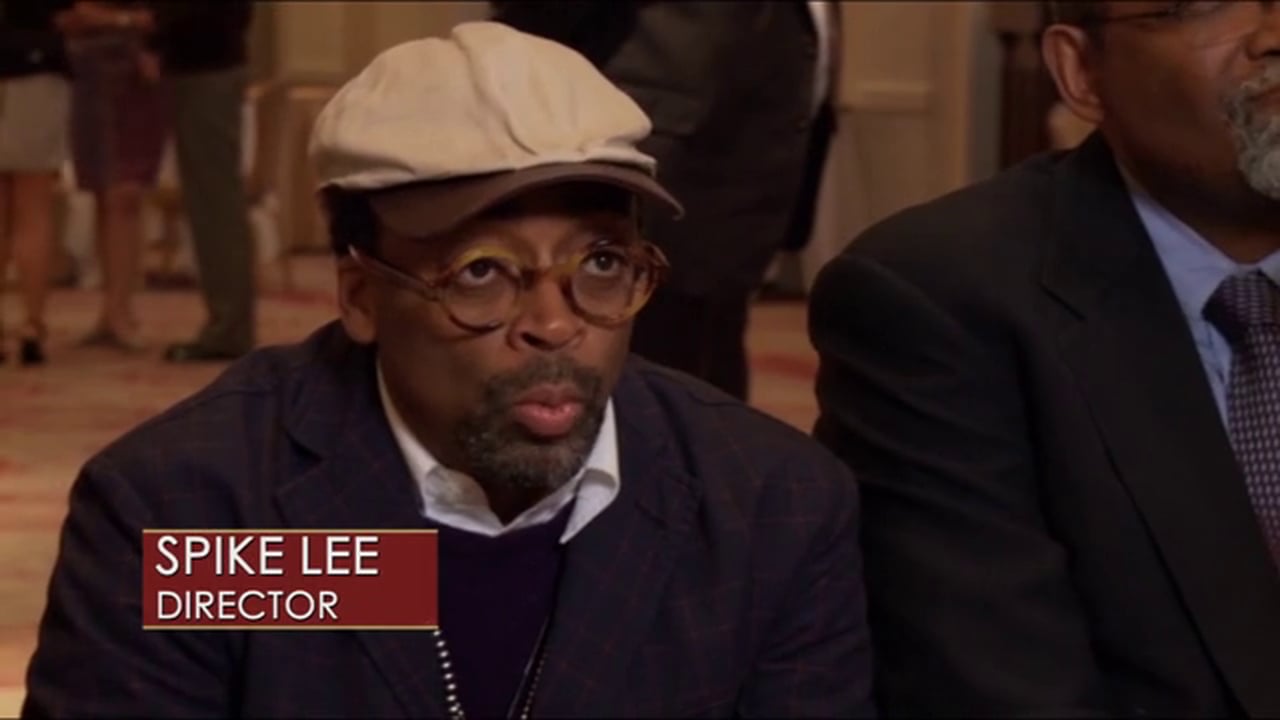
Every now and then, we delve into the filmography of not just directors who have a few great movies under their belt, but who have revolutionized an entire genre or pushed the art of cinema forward in unprecedented ways. Spike Lee is one director who definitely falls into that camp.
SL1

For over quarter of a century, Lee has amassed an entire laundry list of awards for his subversive, often highly-politicized works holding a mirror up to a wide range of societal… and here’s six of the best.

Malcolm X (1992)

Arguably the most celebrated of Lee’s movies to date, and for good reason; the partnership with long-time collaborator Denzel Washington hit all the right notes, resulting in the biopic being hailed as “one of the greatest screen biographies” by Roger Ebert. And it was something of a miracle it ever got released, let alone to critical success. Production-killing arguments over budget and length, extreme difficulties in securing permission to film in Mecca and intense pressure from black nationalists to honor X’s legacy properly nearly broke the project. Fortunately for cinema, Lee received enough donations from black celebrities to finish the film as he’d envisioned it, and did indeed do Malcolm X’s legacy justice.

Do the Right Thing (1989)

Usually high up on the list of greatest movies of all time (and definitely one of the most important of the 80s), Do the Right Thing endures as a breathtaking exercise in craftsmanship. Set on the run up to the hottest day of the year in Brooklyn as both the mercury and racial tensions rise, the movie’s stifling atmosphere is punctuated by levity thanks to an all-star ensemble cast, a tight screenplay and exceptionally formed characters. A huge tip of the hat goes to cinematographer Ernest Dickerson, who managed to brilliantly translate the sweltering heat to film.

She’s Gotta Have It (1986)

https://www.youtube.com/watch?v=Pd9oTGr_1DA

Spike Lee’s first ever feature film, and as far as career debuts go, it’s something of a monolithic achievement. Shot independently on a budget of less than $200k, the landmark comedy ended up being a seminal moment in the history of cinema upturning the status quo – for one of the first times on screen, African American characters were portrayed as erudite and cosmopolitan urbanites. To boot, Lee’s depiction of Brooklyn’s Fort Greene neighborhood as one of prosperity and opportunity actually resulted in more talent being discovered due to increased media interest.

4 Little Girls (1997)

Originally destined for a HBO release, the television run was cancelled once executives saw the finished product… because they decided it was too important to not get a theatrical release first. Centered around the story of the 1963 terrorist bombing of the 16th Street Baptist Church in Alabama (and the eponymous victims who were killed), 4 Little Girls is as much about exploring the human condition as it is a documentary on the KKK attack itself. Nominated for an Academy Award for best Oscar, the film was also notable as the first in a long line of collaborations between Lee and editor Sam Pollard (which is of little surprise given that the documentary itself is a master work of editing.)

Inside Man (2006)

Dubbed as the “Spike Lee movie for those who don’t watch Spike Lee Movies”, Inside Man is a straight-forward heist movie albeit one which stands head and shoulders above the rest. With Denzel Washington (in his fourth Lee collaboration) joined by Clive Owen, Jodie Foster and Willem Defoe, the movie’s exceptional performances are matched only by the killer pacing and slick camera work. Arguably Lee’s “straightest” movie, it was also his most profitable to date but sadly repeated attempts at developing a sequel have failed.

With a filmography as extensive and successful as Spike Lee’s, we had a tough time narrowing it down to just five must-watch joints, so over to you…Know of a criminally under-watched classic that every film fan should see? Drop your suggestion down in the comments below!
Kojima’s Standing Ovation

BLOG1

For those watching The Game Awards 2015, it was very disappointing when Geoff Keighley gave the news that Hideo Kojima would not be stepping up to accept his award for Metal Gear Solid V: The Phantom Pain. Waves of disbelief spread across the gaming industry when he revealed why— Konami forbid him from doing so. The same Konami where Kojima had spent decades turning Metal Gear into one of the most iconic series ever.

Shift In Focus

March of 2015 was when we first learned of the drama that would unfold throughout the year. Out of nowhere, the official Metal Gear website was stripped of any references to Kojima and Kojima Productions. This was followed by the renaming of Kojima Productions Los Angeles to Konami Los Angeles Studios. While many thought this was another one of Kojima’s pre-release publicity stunts, enough speculation arose that both Kojima and Konami had to release a statement assuring fans that Kojima was still working on The Phantom Pain.

BLOG 2

In the following months, reports would come up surrounding the struggling relationship between Kojima and his long-time company. According to Nikkei, a large Japanese media corporation, Konami had become a tension-filled workplace with very unhappy employees. This all seemed to have begun as soon as Konami started shifting their focus on small mobile games instead of big-budget console titles. In October, more reports of Kojima leaving Konami forced the publisher to say that he was merely “on vacation”.

New Beginnings

On December 16, 2015, not long after the Video Game Awards, Kojima revealed that a new Kojima Productions was born. Free from Konami, the independent studio would be focusing on creating exclusive games for the PlayStation 4. A statement by Andrew House, president of Sony Computer Entertainment, was released simultaneously. For the first time since 1986, Kojima was officially not an employee of Konami.

While no one likes the idea of the Metal Gear franchise continuing without its mastermind, there’s excitement in knowing that Kojima is free to work on something entirely new. Two of his closest colleagues from Konami, artist Yoji Shinkawa and producer Kenichiro Imaizumi, have joined him to form a team that will be kept small. As of this writing, only around 20 jobs are available on the Kojima Productions career page.

Recognition

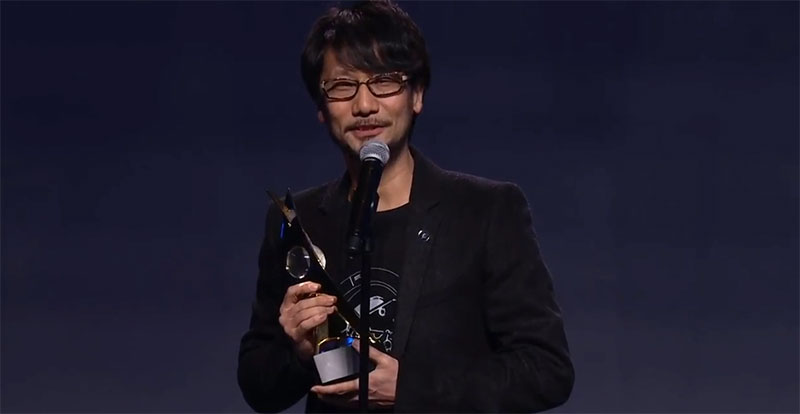
Fast-forward to February 2015 and D.I.C.E. Summit, an annual event where the top people from the video game industry get together to celebrate games and vote for their favorites from the previous year. The winner for best adventure game was none other than Metal Gear Solid V: The Phantom Pain, but neither Konami or Kojima went up to accept the award. The odd part about this was that earlier in the show, Hideo Kojima stepped up onto the stage to accept a Hall of Fame award from Guillermo del Toro.

BLOG 3

When doing so, Konima was met with a standing ovation. Developers and executives alike couldn’t help but give the man behind Metal Gear Solid the recognition he deserves. After almost a year of confusion, it’s great to see that Kojima is putting his past with Konami behind him and is ready to continue doing what he does best— make great games.

To both aspiring and veteran game developers out there, Kojima’s struggle is a reminder that the gaming industry isn’t perfect. From layoffs and crunching to publishers pushing developers to make something they hate, making games can be a tough career. But as Kojima has shown us, game development is also very rewarding. Why else would he come back to games after such a grueling ordeal with the company he called home for three decades?

<

How Developers Won Gamers Over With Story DLC

bioshock
There’s been plenty of discussion over downloadable content ever since it became the norm during the last console generation. Older gamers didn’t like the idea of paying more than the $60 price tag for extra content, especially when they grew up unlocking new stuff by completing tasks or entering a cheat code.

Some gamers also began accusing developers of intentionally holding back content in the main game so they could later sell it as DLC. It certainly didn’t help when content was being placed on the main discs but kept restricted in order to be made available later for extra cash.

But despite all the arguments against it, DLC has proven to be a huge moneymaker for developers. When gamers enjoy a title, they’re willing to pay a few more bucks to squeeze more entertainment out of it— but only if the DLC is good.

The following are examples of story-driven expansions that proved to be well worth the hard-earned cash of loyal fans.

  1. A Completely Different Scenario

We love getting a new chapter that fits into the main storyline, whether it was before or after. The Last of Us: Left Behind was a neat story campaign that let us learn more about Ellie before we met her as Joel in the game. But sometimes developers go a completely different route, and it works.

games

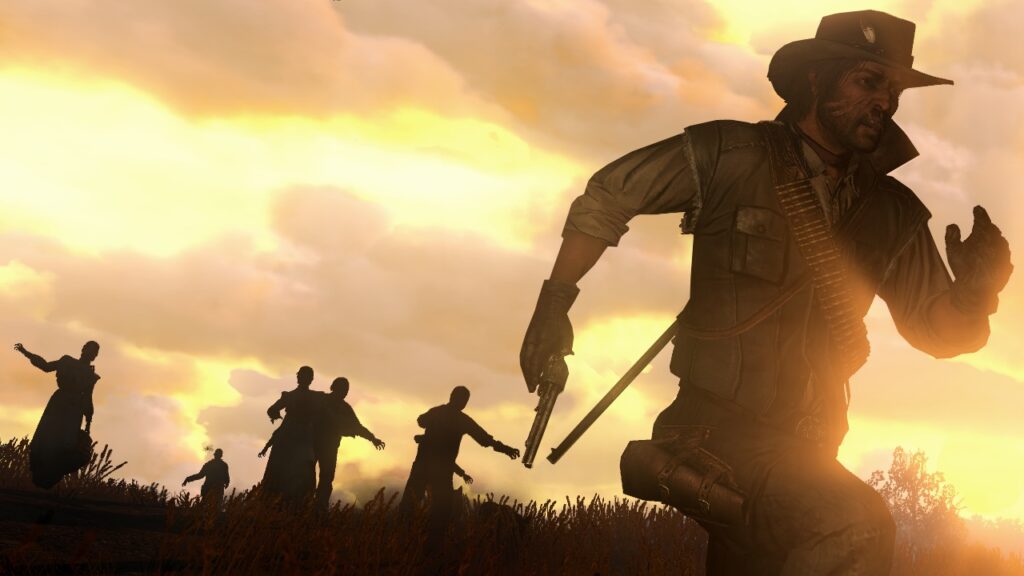
There’s no better example of this than the Undead Nightmare content for Red Dead Redemption. The original storyline was known for its serious tone, which made the idea of venturing through a zombie-infested Wild West ridiculous to imagine. Of course, Rockstar made it work and Undead Nightmare is considered one of the best DLC offerings of all time.

  1. New Mechanics

Adding new mechanics to a game can be difficult from a technical standpoint. Ever since Blizzard introduced flying mounts to World of Warcraft via their “The Burning Crusade” expansion, fans wanted use those same mounts in the original areas that weren’t designed to support it. It wouldn’t be until several years later that Blizzard would make it possible via another expansion.

Of course,the extra work can pay off immensely since gamers love seeing something new in a game they consider to have already mastered. A fantastic example is the Dragonborn add-on for The Elder Scrolls V: Skyrim. Among many other awesome things, it introduced the ability to tame and ride Dragons.

  1. A Look Into The Past

The best part about DLC is that developers often have more freedom. This is because the content they produce doesn’t necessarily have to tie directly to the main storyline in terms of chronological order. Instead, we can experience prequel story DLC that takes us back to an important event that happened before the beginning of the main storyline.

gamespicture

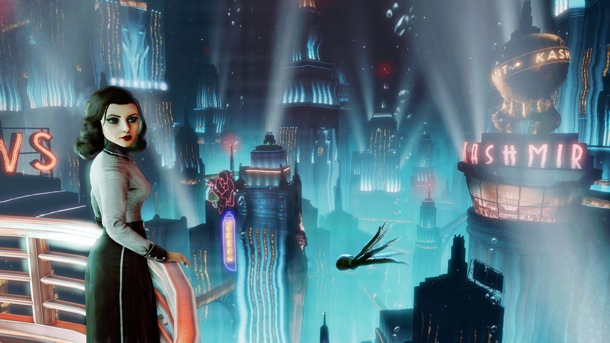
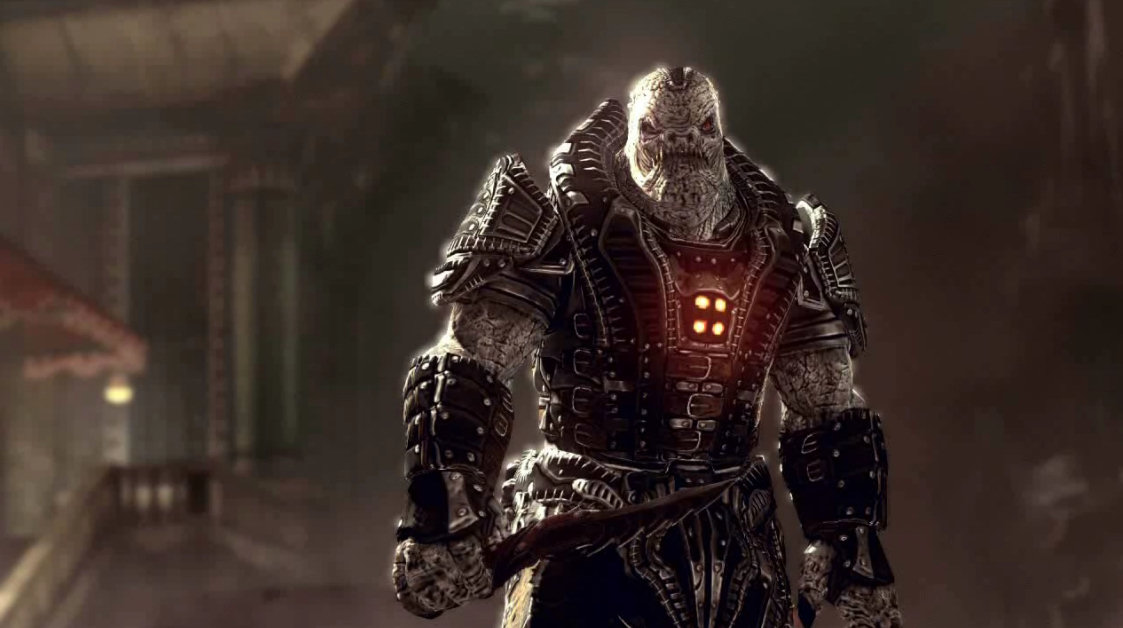
There are many excellent examples of this. “RAAM’s Shadow” for Gears of War 3 let us see what it was like as soon as the infamous Emergence Day occurred. Perhaps one of the best prequel DLC of all time was Bioshock Infinite’s “Burial at Sea,” a two-part expansion that linked Infinite’s story with the beloved original BioShock title.

  1. Locations Worth Visiting

Creating captivating areas is a bigger challenge than most people realize. This applies even more to DLC since buyers may feel cheated if you give them more of what they already saw in the main game, even if it’s great. That is why many developers put extra effort into creating new locations for their DLC that feels fresh and satisfying.

FromSoftware accomplished this with their expansion to Dark Souls, Artorias of the Abyss. Players can explore a unique environment where they will meet new enemies, bosses, and NPC characters. There was also a ton of lore to discover within the long-lost land of Oolacile, allowing players to learn why it was swallowed by the Abyss long ago.

How To Make Sure Your Game is Competitive In Other Countries

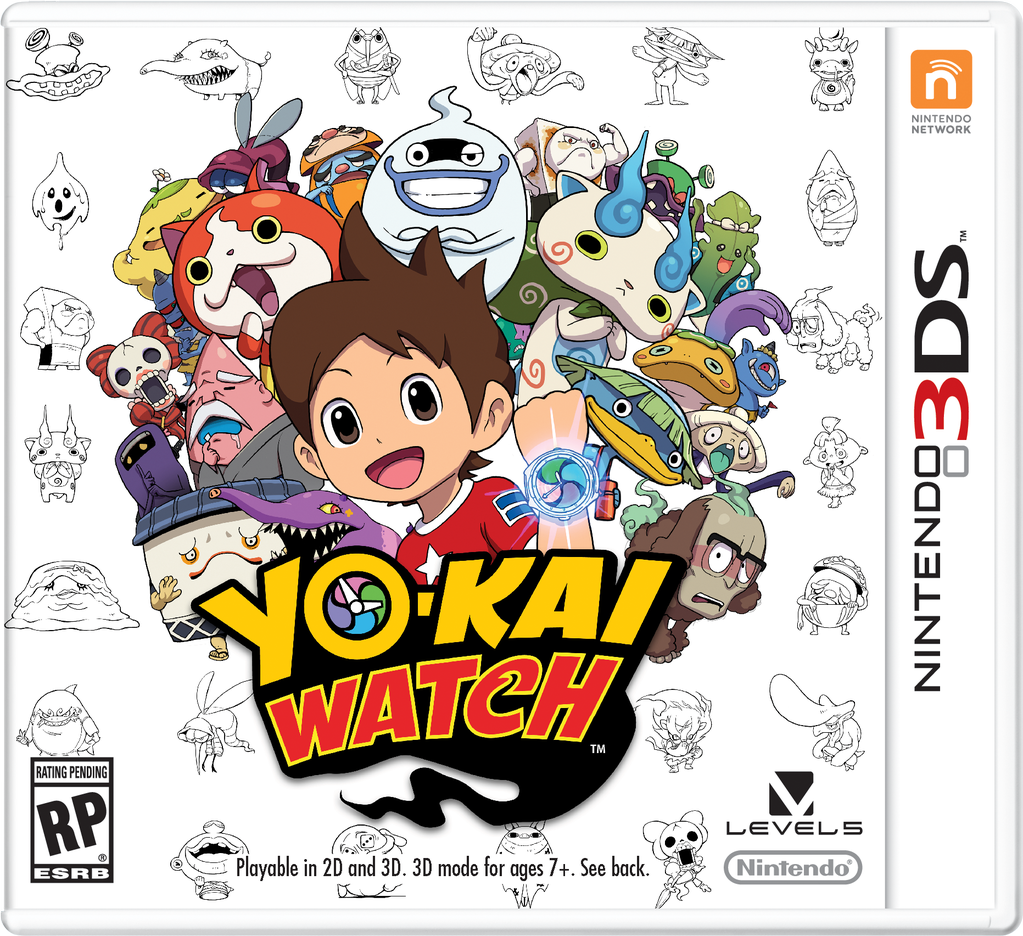
Yokai Watch gameboy DS game cover

The Gaming industry is more competitive than ever, enough that finding success in just one market is a challenge. Of course, there’s nothing quite like learning that your game is now one of the most downloaded titles in several countries outside of your own. While luck is always a factor, global success isn’t going to happen unless you prepare.

The following are several oversights many game developers make when trying to turn their new game into an international sensation.

Mistake #1: Don’t Study Their Culture

Localization is the term used to describe when a game is prepared for other areas. The most obvious reason for this is language. Your game won’t have much luck in China or South America where English isn’t regularly spoken. But what some fail to realize is that language translation, although very important, is only part of the process.

Localization also requires an understanding of the respective area’s culture, including popular trends, the food they eat, country traditions, and more. So if the American version of your game has cheeseburgers or hotdogs as health items, it would make a big difference changing those to sushi rolls for the Japanese release. These little things can go a long way and even save your came from coming off as disrespectful, which is why the top developers always do what they can to make a game more acceptable in specific countries.

Mistake #2: Don’t Study The Country’s Market

It only takes one look at the highest selling games of an area to see how different each market really is. According to Famitsu, the 10 best-selling video games in Japan throughout 2015 consisted of 8 3DS titles. Clearly handheld games are much more popular in Japan than in other countries. On the other hand, Americans favored console games like Batman: Arkham Knight, Call of Duty: Black Ops III, and The Witcher 3: Wild Hunt.


game designers


By studying a specific country’s market you can learn right away if it’s even worth the effort to localize your game. If your game is similar to other titles that are big there, do some research to study their marketing strategies and reasons why they were successful. You’re setting yourself up for failure if you simply toss your game into another country without a plan.

Mistake #3 Use The Same Monetization Strategy

If there’s one thing that frustrated mobile game makers, it’s that the average American has no problem dropping more than $5 on a coffee that will be gone in a few minutes. That same person sees a $5 game on the App Store and thinks “too expensive” before opting for a free or $1 game instead. With so many freemium games out there these days, it’s tougher than ever for games with price tags to sell well on mobile platforms.

Now imagine a country where the average wage is less than that of Europe and the West. In other words, your game’s monetization model isn’t guaranteed to work in every country it is released on. Avoid overlooking how different other markets are by studying the pricing of other games, including cash shop features found in free-to-play titles.

Mistake #4: Starting The Localization Process Late

Like we mentioned before, localization is more than just getting someone to translate text and dialogue. There are also art and sound assets like currency symbols and voice dialogue that may need to be changed. If done toward the later stages of development, this will require getting messy with code in hopes of replacing the original content with the new stuff.

games

Good game developers begin coding their games in preparation for this. In doing so, the process of localization goes smoother and takes less time, especially if you plan on releasing in more than two countries/locales. You’ll also avoid any bugs and technical problems that rear their ugly head when code is being altered in a hurry.

4 “Jawsome” Films to See During Shark Week

Who doesn’t love Shark Week? As usual, here at New York Film Academy, we’re thinking about our favorite films. This week, in particular, check out four fantastically scary and “jawsome” shark flicks.

Jaws (Steven Spielberg, 1975)

This is potentially the film that caused the outbreak of shark-mania: a hybrid attitude toward sharks comprised of equal parts love, fear, and infatuation. Making Jaws was no ordinary challenge. Read an interesting reflection from Spielberg, here

Bait (Kimble Rendall, 2012)

Drama? Check. Romance? Check. Gore and heart-pounding suspense? You bet. Bait’s IMDb tagline is only the tip of the iceberg. “A freak tsunami traps shoppers at a coastal Australian supermarket inside the building – along with 12-foot Great White Sharks.”

The Shallows (Jaume Collet-Serra, 2016)

This just in: critics are calling the newly released, highly anticipated film, The Shallows, “the best shark movie since Jaws” (The Wrap). Though you’ll go to the theater for Blake Lively, you’ll stay for the excitement of finding out if she can survive a vicious predator attack with nothing to help her but logic and courage.

Deep Blue Sea (Renny Harlin, 1999)

In the past three films, wild sharks with blood thirst and killer instincts gave audiences the shivers, but in Deep Blue Sea, an ever more menacing version of the predator – a genetically enhanced, hyper intelligent shark – will scare you silly. An isolated laboratory built to facilitate Alzheimer’s research becomes a haunting battleground as the sharks outsmart their constraints and head for the kill.

Fictional Books Being Turned into 2016 Films

2016 has shown no departure, thus far, from the successful trend of adapting social media-exploding, literary best-sellers into ultra hyped, big screen affairs. Consider Room, Emma Donoghue’s conceptual, suspense novel, which was released this year as a film, garnering four Oscar nominations and one win. More of 2016’s paper-to-screen transformations have come and gone—perhaps to slightly less fanfare than Room—including Pride and Prejudice and Zombies and How to Be Single. Right now, Me Before You, the film adaptation of a novel by the same name, is playing in theatres, and coming up, see childhood classic, The BFG, and recent addition to the Potter series, Fantastic Beasts and Where to Find Them, both films that transform youthful, heartwarming stories into magical worlds on screen.

Too often, it seems that the time to read a new book has passed before it gets turned into a movie or someone spoils the ending; this is your opportunity to get a leg up on Hollywood. The following novels are in the development stages of film adaptation, some further along than others, none of which, however, are anticipated to be released before 2017. As such, you have until New Year’s Eve (at the very least) to slide on your glasses, curl up on the couch, and dive deep into these treasured tales.

A Wrinkle in Time by Madeleine L’Engle

Ava DuVernay

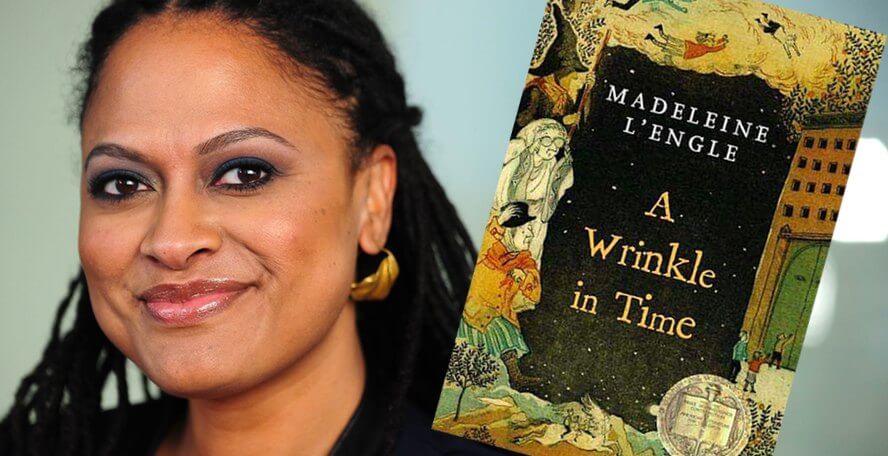
This revered, classic novel is headed for the screen once again. In A Wrinkle in Time, Meg Murry—along with her younger brother, Charles Wallace, and her friend, Calvin— searches for her father after he has mysteriously disappeared during an experiment with the fifth dimension of time travel. Ava DuVernay, the director of Selma, is on board to direct the Disney film. Jennifer Lee, who wrote and co-directed Frozen, is writing the adaptation.

Americanah by Chimamanda Ngozi Adichie

getty
Getty Images

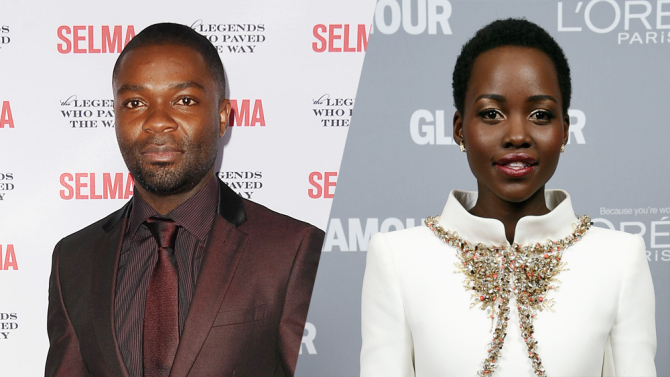
Listed by the New York Times as one of the “Ten Best Books of 2013,” Americanah is themed around hardship and racial tension. It follows a man and woman in love as they emigrate, separately, to London and the United States, as well as their difficult endeavors, those stemming from domestic obstacles and those related to multi-continental relationships. The film adaptation is underway, being produced by Brad Pitt’s Plan B Entertainment Inc., set to star David Oyelowo, the Golden Globe winning Selma actor, and Lupita Nyong’o, the Academy Award winning 12 Years a Slave actress.

Ready Player One by Ernest Cline

ready player one

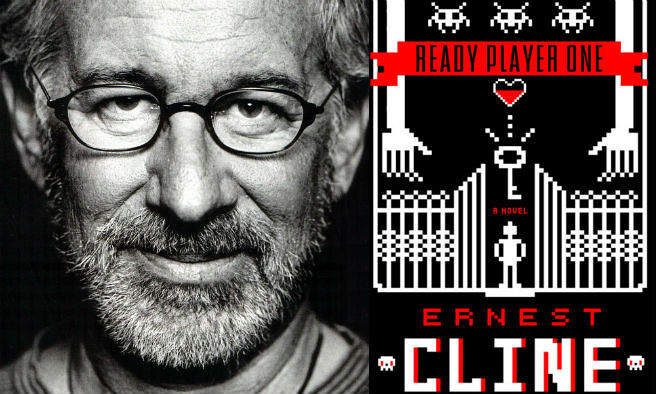
Set in the year 2044, this dystopian sci-fi novel follows protagonist, Wade Watts, as he searches for happiness and fortune in a mysterious, virtual universe, battling friends and foes along the way. With Steven Spielberg signed on to direct the film version, “it’s a big deal. Any time a best-selling, fan-favorite novel gets a big screen adaptation, it’s a big deal. When the two happen to combine, as they will for 2018’s cinematic translation of Ernest Cline’s pop culture saturated book Ready Player One, you guessed it, it’s a big deal.” (CinemaBlend.com)

Love May Fail by Matthew Quick

emma stone

One of two novels by best-selling author Matthew Quick currently being adapted to the big screen (in wake of the 2012 film adaptation of Quick’s The Silver Linings Playbook), Love May Fail is the feminist-empowering, dynamic tale of a woman, scorned by her cheating husband and general loss of faith in humanity, who sets out to rediscover herself. The film belongs to the Columbia TriStar division of Sony Pictures with Emma Stone set to star.

Forgive Me, Leonard Peacock by Matthew Quick

leonard peacock

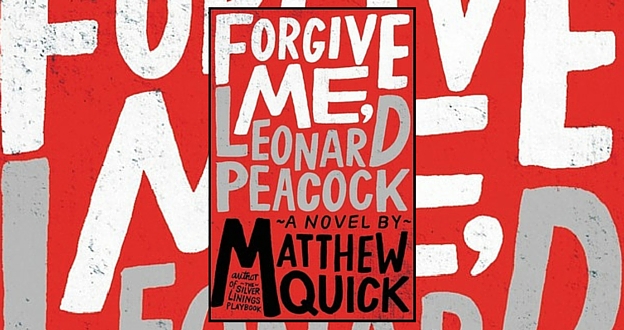
The other Matthew Quick book heading for Hollywood is Forgive Me, Leonard Peacock, the story of a single day in a teenager’s life, specifically the day he has decided to put a gun in his backpack, take it to school, kill his best friend, and kill himself. Channing Tatum is producing the film, while Mike Vukadinovich is set to write the screenplay.

The Goldfinch by Donna Tartt

THE GOLDFINCH

In this insanely popular, Pulitzer Prize winning novel, parent-less Theo Decker moves into his wealthy school friend’s luxurious New York City apartment, growing up to love art and experience life from a unique perspective. The acclaimed screenwriter Peter Straughan will be handling the adaptation, while Warner Bros. and RatPac Entertainment will produce it. For some thoughts on casting, see Entertainment Weekly’s dream picks for the film.

Iluminae by Amie Kaufman and Jay Kristoff

illuminae

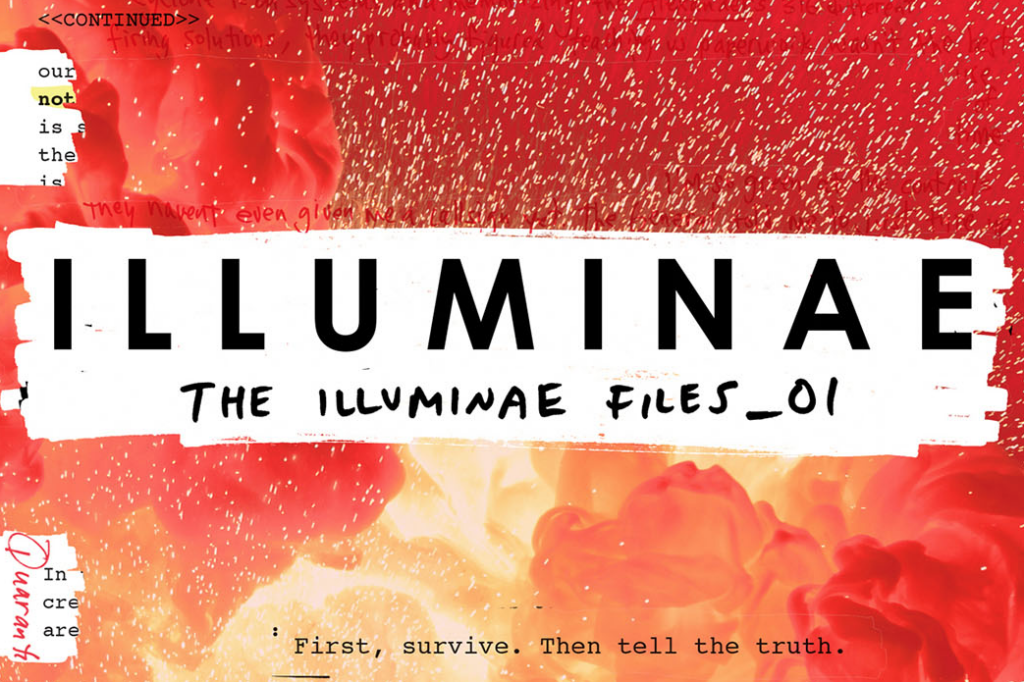
“Told through a fascinating dossier of hacked documents” instead of prose, this action-packed inter-planetary epic is perhaps made most unique by its heroic protagonists, Kady and Ezra, a freshly broken-up couple who must work together if they want to live (GoodReads). After Warner Bros. and Plan B Entertainment announced that they had acquired the rights to Illuminae in 2015, the film has remained in development…as in, no information has been released about casting or the artistry of the adaptation.

Honorable Mention

In case you’re a non-procrastinating, jedi speed reader, or you’re interested in reading the novel forms of film adaptations coming out this year, check out the following books: The Lost City of Z by David Grann, American Pastoral by Philip Roth, A Monster Calls by Patrick Ness, Into the Forest by Jean Hegland, The Light Between Oceans by M.L. Stedman, The Girl on the Train by Paula Hawkins, Silence by Shusaku Endo, Nerve by Jeanne Ryan, and Inferno by Dan Brown.

The Best Fatherly Characters in Recent Film

Each dad is one-of-a-kind. Whether he’s silly or serious, completely embarrassing or way cooler than us, we’ve got to love him. In honor of Father’s Day, the New York Film Academy is looking back at some of the greatest father figures in recent films, even the ones who are absolutely mad.

My Big Fat Greek Wedding

Gus Portokalos (Played by Michael Constantine)

big fat greek wedding

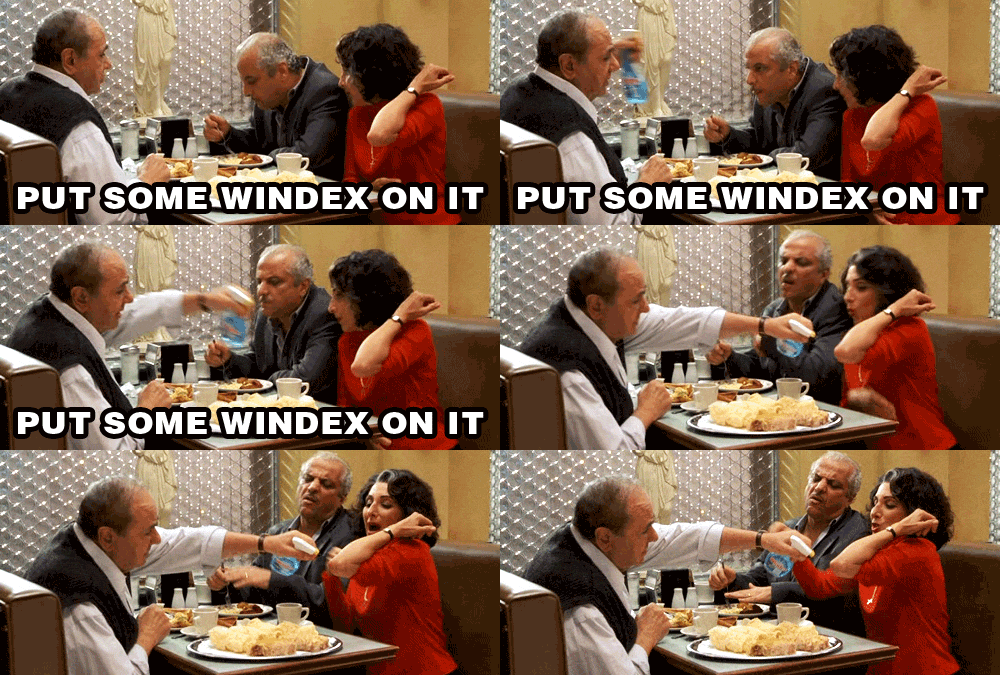
As the patriarch of the Portokalos family, Gus (Michael Constantine) appears to have taken it upon himself to control his daughter’s life, and make sure she is growing into the Greek woman he wants her to be. He humiliates her throughout her childhood, preaching Greek lessons to her peers as he drives the carpool to school. Continuing into adulthood, Gus makes it his mission to marry Toula off to a Greek man. Despite his craziness, Gus is more than a comic relief. In his total cluelessness and love affair with Windex, some of us can’t help but be reminded of our dads’ particularities, attachments to certain objects, and steadfast desires for their kids’ happiness.

Kick-Ass

Big Daddy (Played by Nicolas Cage)

His name says it all. Cop-turned-vigilante Big Daddy (Nicolas Cage) has spent the past several years fighting crime with his daughter, Hit-Girl (Chloë Grace Moretz). Impeccably self-trained and talented in a variety of combat methods, this father-daughter team makes Batman and Robin look like amateurs. Many of us would agree with fellow vigilante Kick-Ass’s (Aaron Johnson) evaluation of Big Daddy: “your dad was insane.” Still, we can forgive the fact that he taught Hit-Girl how to wield a nunchuck instead of taking her to soccer practice because she is his utmost priority and, in the end, he sacrifices his life to protect her.

Little Miss Sunshine

Grandpa Edwin Hoover (Played by Alan Arkin)

Perhaps this heroin-snorting, foul-mouthed grandpa isn’t the best role model, but one thing’s for certain: out of any member of the Hoover family, he is the most supportive of granddaughter, Olive (Abigail Breslin). After being kicked out of a senior living facility, Grandpa Edwin (Alan Arkin) moves in with Olive’s family, where he spends his days training her to compete in pageants (not that he has any authority on the matter). The family eventually agrees to road trip to the Little Miss Sunshine beauty pageant so that Olive can compete. In the iconic final scene, she performs the raunchy dance that Grandpa Edwin choreographed for her and it serves as a sort of symbolic ode to his relationship with Olive and the way he hoped to make her feel like “the most beautiful girl in the world.”

Despicable Me

Gru (Voiced by Steve Carell)

Despicable super villain Gru (Steve Carell) may have built himself an army of minions and a repertoire of successful robberies, but there’s still room in his heart for love. Gru adopts three orphans to help him execute a villainous scheme, but, as time goes on, he grows to care about them a great deal, proving in the end that he will go to any length to protect them. A dad who tries to make his daughter happy by putting on a full-fledged ballet recital in his evil lair is a good dad in our books.

That’s What I Am

Mr. Simon (Played by Ed Harris)

In this coming-of-age drama set in the sixties, the school’s beloved English teacher, Mr. Simon (Ed Harris), is the most father-like figure. A champion of overcoming adversity, Mr. Simon shows his students how to be resilient when a perturbed parent tries to get Mr. Simon fired for being gay. Before gracefully exiting the school, Mr. Simon provides his students with fun and unconventional lessons, doles out wisdom and rightful discipline, and comforts the students who are victims of bullying. His endless compassion for the students is heart-wrenching.

Definitely, Maybe

Will Hayes (Played by Ryan Reynolds)

In this suspenseful and heartwarming rom-com, eleven-year-old Maya (Abigail Breslin) questions her father, Will (Ryan Reynolds), incessantly about his impending divorce from her mother. At last, giving way to her demands for information, Will tells her “a love story mystery,” in which he assigns fake names to the women he’d seriously dated, allowing her to try to guess which of them is her mom. He gives Maya a lot of agency throughout the film to comment on the things around her, whether that means regurgitating lines from her school’s health class or evaluating Will’s romantic life. Throughout the film’s narrative, the overwhelming consistency seems to be that Will and Maya will always have each other, if no one else.

5 Memorable Moments From Game of Thrones Season 6

Like every season that preceded it, Season 6 of HBO’s Game of Thrones has provided its audience with some unforgettable moments that are completely original to television. GoT has continues to entertain by consistently pushing the envelope on what is acceptable in a television series — even for cable. The show is yet another successful example of what has recently become a trend in television: breaking the rules.

Below we highlight some of this year’s most memorable moments from Season 6. While there have been many to choose from thus far, here are five that can’t be argued with.

**Spoiler Alert: Do not read on if you are not caught up with Season 6!

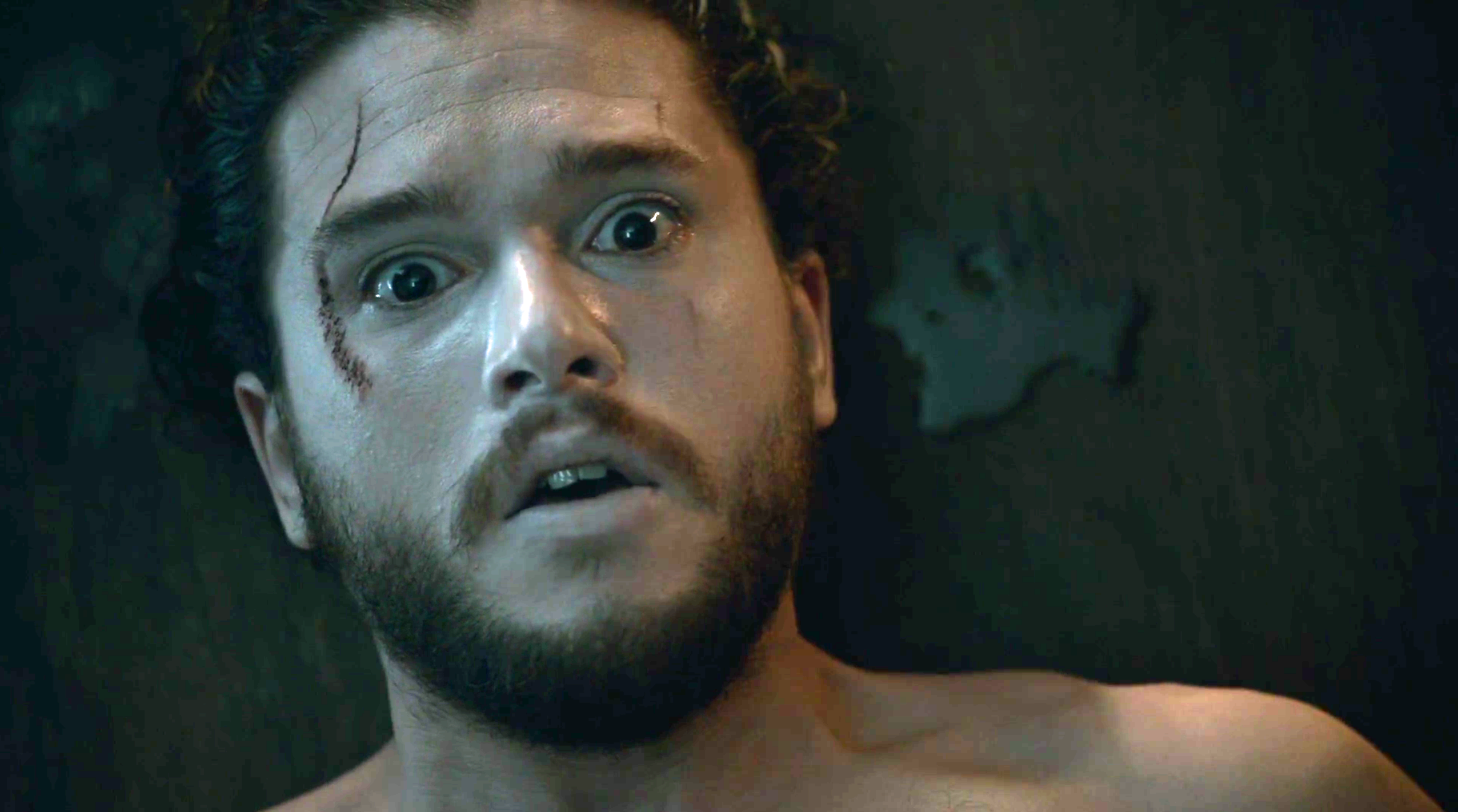
Jon Snow Returns from the Dead

https://youtu.be/PHyEDlmUxF0

As Season 5 ended on a cliffhanger—Jon Snow was stabbed by his fellow brethren from The Wall—fans speculated whether or not Snow could actually return from such a tragic event. The symbolism of Snow being left to bleed on the cold ice beneath him had some wondering whether or not he could actually become a White Walker or some sort of zombie amongst the dead army. Others suggested that the actor, Kit Harington, was tired of the show and would move on to bigger and better things. (Is there anything bigger than GoT right now?) As it turns out, Davos Seaworth saw something special in Snow and asked Melisandre if she could bring him back from the dead. While at first it seemed unlikely, fans finally got what they wanted — Jon Snow came back to life. It turns out Snow was looking to do bigger and better things — just not at The Wall.

Daenerys Returns to the Flame

Daenerys Targaryen reclaimed her rightful place at the heart of the series after escaping from the oppressive Khal Moro and his bloodriders by setting them all on fire. As she once again stood naked at the center of a burning inferno, Daenarys watched with no remorse as her Khal captives burned alive. After they perished, she stepped away from the inferno and stood before the gathered Dothraki, who immediately bowed to their knees in praise of their new queen. This certainly put her back on the map of potential leaders to eventually take over the throne.

Hold the Door!

Everybody’s favorite oafish character, Hodor—who spent almost his entire run of the show carrying around the crippled Bran Stark—seemed to have no vocabulary other than his own name, “Hodor.” In a dramatic twist of events, it was revealed that he was not uttering his name at all. Rather, he had been rapidly rattling off a command that would ultimately save Bran’s life. “Hold-the-door.” Say that real fast, a million times in a row and you get, “Hodor!”

Return of the Hound

Just like Jon Snow, it was hard to believe that the ruthless Hound could actually die. After being left to die by the young Arya Stark, we had to assume that he would somehow find his way back to health. But after several episodes had passed by, many began to wonder if the Hound had, in fact, seen his last days. And then…leave it to Ian McShane to make a guest appearance and reintroduce the coldblooded killer. Now, don’t expect to see Ian McShane in any more episodes…

Arya Stark Has a Name

After many trials and tribulations with the Faceless Men, Arya Stark was being brainwashed to believe that she had “no name” and really no identity. What seemed a potential new haven for Arya certainly backfired after she was stabbed and left to die in the streets of Braavos. However, Arya represented the Stark name well after killing off her assassin and revealing her true self to the Faceless Men. Finally empowered by confidence, Arya tells Jaqen H’ghar of the Faceless Men: “A girl has a name, and it’s Arya Stark of Winterfell.” Impressed by Arya’s renewal of self-confidence, Jaqen allows her to leave unharmed.

Muhammad Ali in Film

With the recent passing of boxing legend, Muhammad Ali, the New York Film Academy has been scouring film and TV history to highlight some of the films and documentaries that have painted and honored the incredible career and life he led both inside and outside of the ring.

Ali

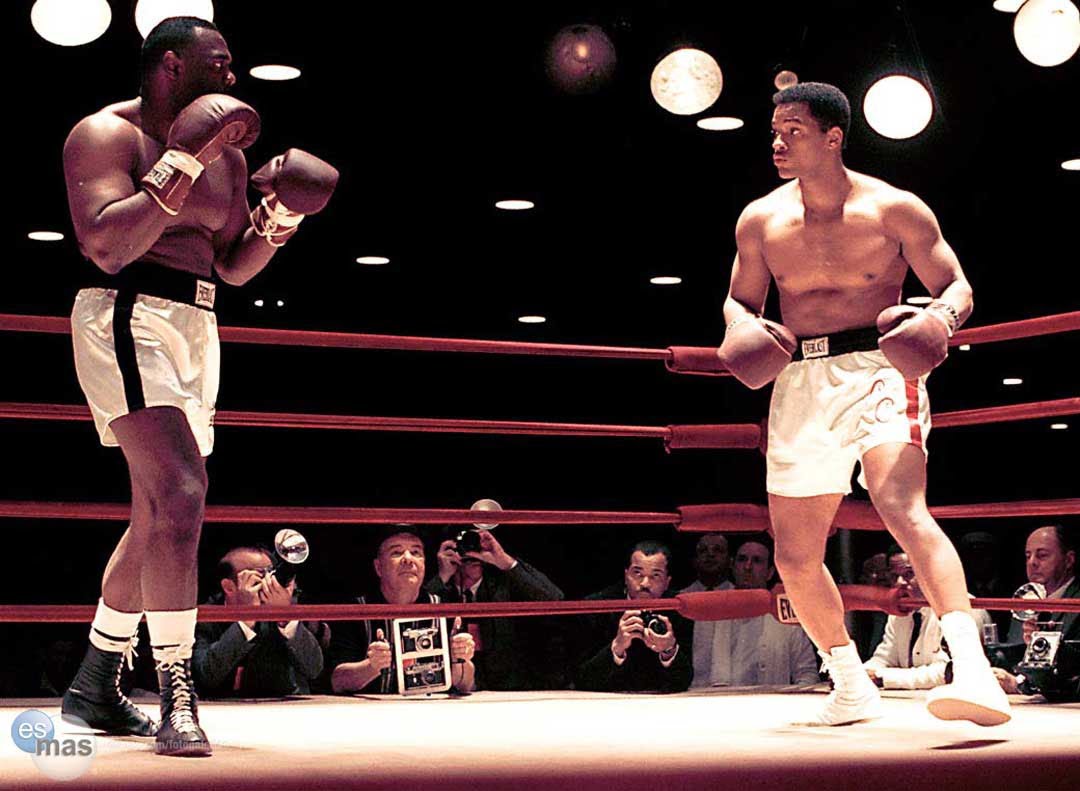
Will Smith delivers a compelling performance in this 2001 biopic, which earned him an Oscar nomination for Best Actor. Directed by Michal Mann, Ali provides a character study of the icon, starting from his beginnings as Cassius Clay and up until his boxing championships and spiritual transformation between the years 1964 and 1974 when he reclaimed his title in his “Rumble in the Jungle” bout with George Foreman. Similar to Martin Scorsese’s Raging Bull, Ali’s opening sequence is something to check out as it immediately captures us with its emphasis on the boxer and its superb choice in music—Mann going with a live (cover) rendition of Sam Cooke playing over flashes of Ali’s training regimen.

The Greatest

As the title suggests, Ali was never shy about his status in the boxing world, or in general for that matter. In this 1977 film about the boxer’s life, Ali plays himself. Though a slightly dramatized version of his life story, the film allowed Ali to shine with his outspoken personality. The film includes his Olympic triumphs as Cassius Clay, his conversion to Islam, his refusal of the Army draft and the legal battle after being stripped of his World Title.

When We Were Kings

The 1997 Academy Award-winning documentary examined the 1974 heavyweight championship bout in Zaire between champion George Foreman and Muhammad Ali, who was the underdog challenger at the time. Considered one of the greatest sporting events of the 20th century, Ali regained the title against the undefeated champ by knocking out Foreman just before the end of the eighth round. Side note: the match was one of famous promoter Don King’s first events.

Freedom Road

Few may know that the great Muhammad Ali took a crack at a purely dramatic acting role in the 1979 TV movie Freedom Road. In the film Ali plays Gideon Jackson, a former slave from Virginia who gets elected to the Unites States Senate in the 1870’s. While in office, Jackson battles other former slaves and white sharecroppers to keep the land they tended all their lives. 

Facing Ali

If you’ve ever wondered what it would be like to face Muhammad Ali in a match, this 2014 documentary captures the experience by interviewing ten of his opponents, including George Foreman, Joe Frazier, Larry Holmes, Leon Spinks, and others. Each former opponent pays respect to the legend, having nothing but compliments for arguably the greatest of all time.