The Best Documentaries: The Films Of Jehane Noujaim

Jehane Noujam


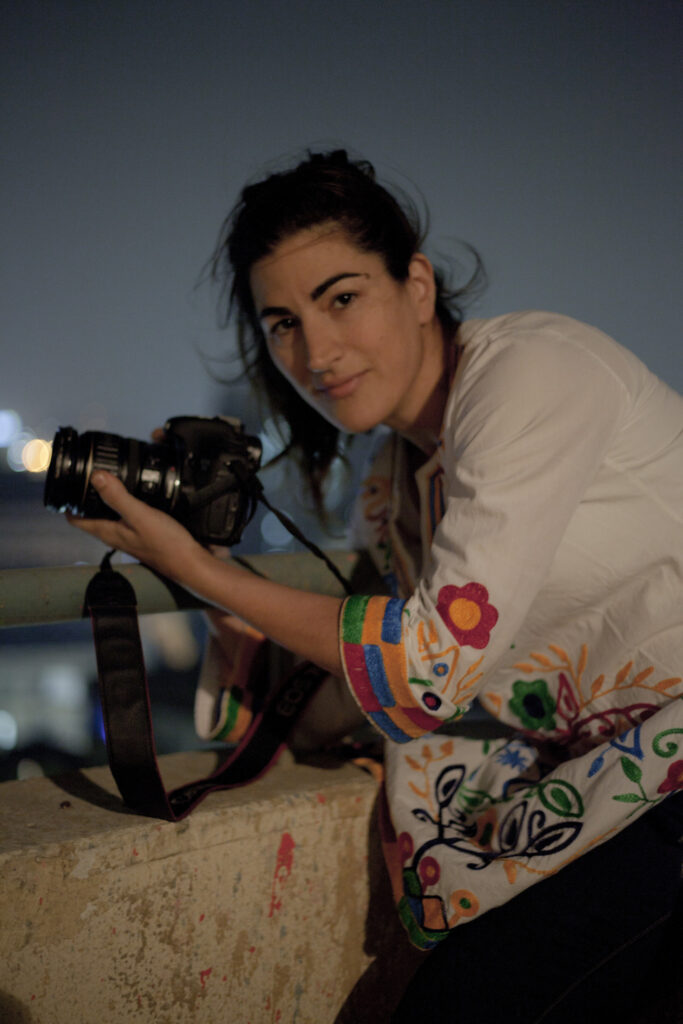
Although female names among the incessant list of filmmakers in a male-dominated industry seem as scarce as hen’s teeth, there are quite a few females in the documentary filmmaking landscape who are thriving and have produced some magnificent work throughout the years; one of whom is Egyptian/American filmmaker Jehane Noujaim. Born in Washington D.C. in 1974 to an Egyptian father and an American mother, she was raised in Kuwait and Egypt until her family moved to Boston in 1990, where she later graduated Magna Cum Laude in Visual Arts and Philosophy from Harvard. Before graduating however, she was awarded the Gardiner Fellowship for her film Mokattam, an Arabic film she directed about a garbage-collecting village near Cairo. This was the precedent for a long and successful career directing and producing many films in the Middle East and the U.S in an attempt to create a day where the power of film could bring a global community together; allowing a new understanding of one another. The following are four of Noujaim’s most notable documentaries with which you should get well-acquainted.

1. Startup.com (2000)

This film follows childhood friends and co-founders of a dot-com start-up, govWorks.com, Kaleil Tuzman and Tom Herman, during the troubled state of the Internet revolution. It uses an intimate and dynamic cinema-vérité style in personalizing the crisis through intensely private views of those involved and tells a classic story about values and friendship during the dawn of the Internet Age. The film was shot over two years on digital video and required over 400 hours of video editing—right up until its premiere at the 2001 Sundance Film Festival. Along with a nomination for the Grand Jury Prize at the festival, the film also won Outstanding Directorial Achievement in Documentary at the Directors Guild of America in 2002, among many others.

2. Control Room (2004)

This feature documentary provides a behind-the-scenes look at the Arab news network, Al-Jazeera, as it covered the 2003 invasion of Iraq. Including interviews with military officials and both American and Al-Jazeera journalists, this film showcases the huge gap in understanding that exists between the Arab world and Americans, and the way events relating to the war have taken on significantly different meanings, weight and emotional import. Through this, it essentially asks the big question of whether America is radicalizing or stabilizing the Arab world. Among the film’s seven wins and eight nominations, it was awarded the coveted TED prize in 2006. Noujaim was the first woman and the youngest person to win the prize, which grants winners a wish to change the world.

3. Rafea: Solar Mama (2012)

This co-directed documentary with Mona Eldaief follows Rafea, a Jordanian woman from one of the country’s poorest desert villages, Bedouin, as she leaves her 4 daughters and husband to study solar engineering at the revolutionary Barefoot College in India. The college teaches rural men and women—many of whom are illiterate—to become engineers, doctors and artisans with only 2 requirements for enrollment —you must be poor and you must take what you learn to your home village. The challenges Rafea faces are ongoing, with many of the men back home (including her husband) intervening and unconvinced of her ambitions as a practical avenue for women, but her desire for a better, more sustainable future remains clear. The documentary won a U.S. Cinema Eye Honors Award in 2014 and the EDA Award at the Sheffield International Documentary Festival in 2013.

4. The Square (2013)

This film follows a handful of Tahrir Square protesters through a 3-year course of Egypt’s political upheaval since 2011. An intimate observational documentary, it begins in the tents of Tahrir in the days leading up to Mubarak’s fall and follows the life-changing journeys of its characters as they begin the real struggle with the military regime—one that has been in power longer than the dictator they removed. The film had over 1600 hours worth of material that was edited and finalised in 2012. But after entering the Sundance Film festival a year later and winning the Audience Award, Noujaim and her crew went back to Tahrir to keep shooting after the situation on the ground had changed and the characters found themselves in the thick of things once again. As a result, the film became an even deeper and more complex story, receiving an Academy Award nomination and winning a Directors Guild Award, the International Documentary Award and an Audience Award at the Toronto Film Festival—making it the first ever film to win the award at both Sundance and Toronto.

[su_note]Learn more about the School of Documentary Filmmaking at the New York Film Academy by clicking here.[/su_note]

An Interview With Musical Theatre Alumnus Jaspal Binning

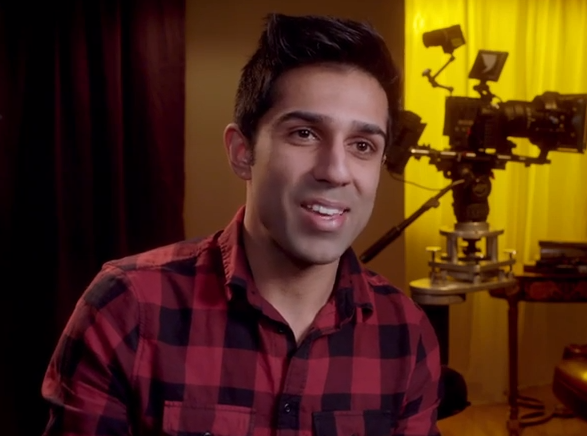
As any professional of the musical theatre will tell you, your career can take you in a variety of different directions—from the theatre to commercials, from film to guest starring on a TV show—all in a single day. In the above video, Jaspal Binning, a graduate of NYFA’s Two-Year Musical Theatre Conservatory Program, talks about how the integrated curriculum and professional faculty of the Musical Theatre School not only taught him how to act, but how to handle himself on a film a set using professional equipment, skills that have come in handy as he pursues his professional goals in New York City. Binning has gone from starring on stage at NYFA to guest starring on The Newsroom and being directed by famed screenwriter Aaron Sorkin. But as he is quick to emphasize, succeeding as an actor in New York City takes persistence and, above all, honesty.

Video Transcript

Hi, I’m Jaspal Binning and I studied in the New York Film Academy’s Musical Theatre and Acting for Film Two-Year Conservatory. I felt I got an incredibly comprehensive training at the New York Film Academy because of the array of classes offered. And now, specifically using those techniques for my daily life as an actor in New York, going from commercials to TV to film to theatre on the same day was definitely provided by my teachers here. The connections I’ve made at the New York Film Academy have helped me incredibly as I still keep in touch with many of my colleagues and teachers. My teachers are still working as Broadway professionals right now. Deidre Goodwin, for example, just finished a run of Chicago. Michelle Potterf was the Dance Captain for that show and Chad Austin is still dancing at the Met. An incredible array of talent and they’re still working professionally.

The most memorable role I played so far was as Joel in The Newsroom. I was fortunate enough to share the screen with Dev Patel and also Aaron Sorkin was directing us that day and it was an absolutely insane moment of my life that I could have only dreamed of before. The training at the New York Film Academy definitely helped me in terms of producing my own film as I learned at the New York Film Academy not only to act but how to hold a boom correctly, how to set up a light stand well, and how to actually aid the scene. It really informed a lot. And that was just being around the incredible equipment and also incredible film people as well. I’d say the best advice to give to future musical theatre students would be to never give up. I see this all the time, unfortunately, but New York City is a hard place to make it and it definitely will happen, but persistence is definitely the thing you need. The best thing I learned at the New York Film Academy, in terms of being an actor, was honesty. Being honest with yourself, being honest with other people, and definitely being honest in front of the camera or on stage.

[su_note]Learn more about the School of Musical Theatre at the New York Film Academy by clicking here.[/su_note]

Top Five Fashion Photographers

If you’ve ever watched an episode of America’s Next Top Model, you’ll know that getting a great photo in fashion isn’t just about a model looking pretty with nice clothes on. It’s equally about the keen eye, the artistry, the skill and professionalism of the photographer as it is the muse on the other side of the lens (and of course the talented team behind the whole setup).

Photography isn’t necessarily about capturing reality but rather reinventing what the naked eye can see; reinterpreting beauty and in the case of fashion photographers, to really make style and clothing jump off the page. The photographers on this list all share the common denominator of striving for excellence and continuously succeeding at greatly influencing the fashion world through their lens. Their creativity and vision goes beyond just taking photos that look good, but instead have taken fashion photography to new and critical heights.
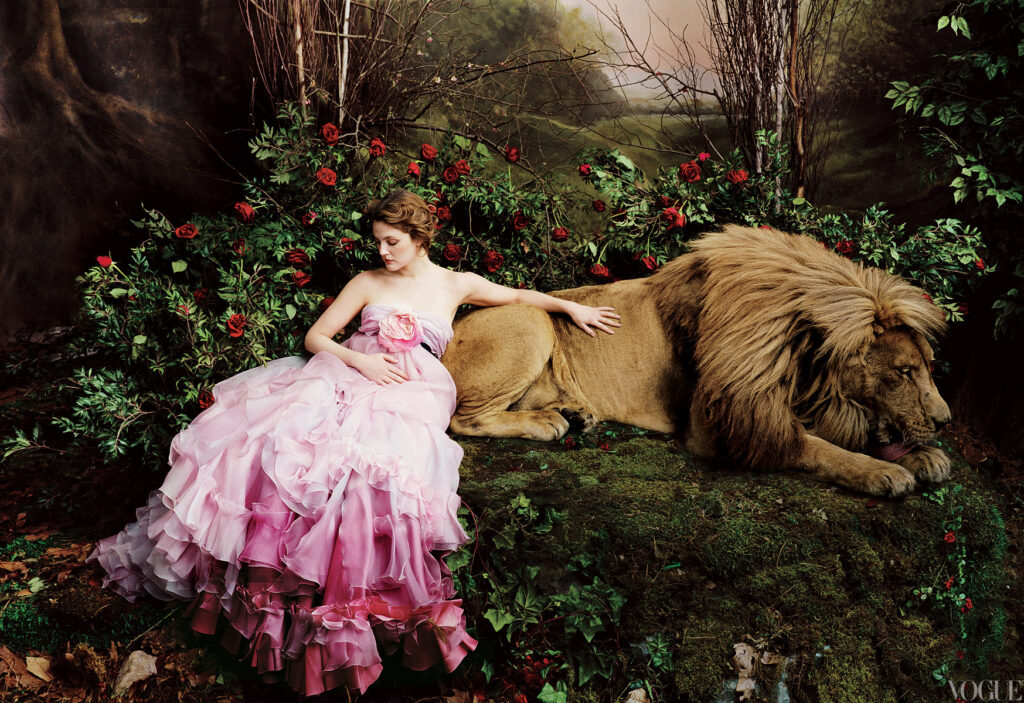
Drew Barrymore shot by Annie Leibovitz

Annie Leibovitz

Born on October 2, 1949 in Waterbury, Connecticut, Leibovitz is widely considered as America’s top portrait photographer. Her distinct use of bold poses and colors is a well-known trademark and you’re bound to have come across one of her many works with high-profile clients across magazine covers, billboards and books. Beginning her professional career at then start-up Rolling Stone magazine in 1970, she was promoted to chief photographer within 2 years, where she remained for the next 10. One of her many notable covers there—most of which have become collector’s items—was of a naked John Lennon curled around a fully clothed Yoko Ono. This photo was taken just hours before the former Beatle was shot dead.

After having shot a total of 142 covers for Rolling Stone, Leibovitz left the magazine and began working for Vanity Fair in 1983, whilst also regularly working for Vogue from 1998. In addition to her work in magazine editorial however, she has also won many accolades for her work on big-name advertising campaigns such as American Express’ “Membership” campaign in which she won a Clio Award in 1987, as well as being chosen as the official photographer of the 1996 Summer Olympics in Atlanta, Georgia.

As not only of the greatest female photographers of all time, but also one of the greatest photographers, some memorable shots that exemplify her ability to thrive at the intersection of art and celebrity were of Mick Jagger in an elevator during a tour in 1975, Arnold Schwarzenegger on a white horse in 1988, a very pregnant and naked Demi Moore in 1991, Queen Elizabeth II at Buckingham Palace in 2007, and of Whoopi Goldberg submerged in a bathtub full of milk in 1984.
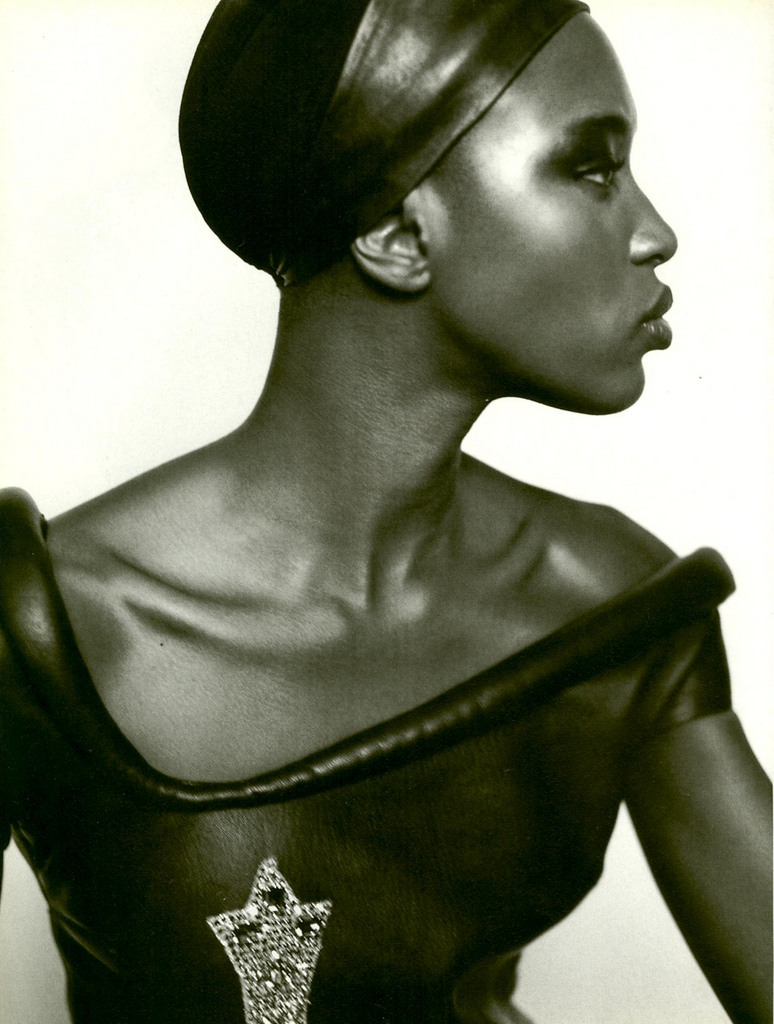
Naomi Campbell photographed by Mario Testino

Mario Testino

His name is one commonly used among industry peers with the utmost respect and admiration. Born in Lima, Peru on October 30, 1954, Testino has been shooting the who’s who of fashion and celebrity for the past 35 years. Renowned for his glamorous shoots, his prolific career shooting for magazine covers include names like Vogue, Vanity Fair, V Magazine, and GQ. In addition, he has also shot an array of fashion campaigns for Gucci, Versace, Burberry, and Calvin Klein, among many others. In 2011, he had an unprecedented six magazine covers at one time for Vogue‘s Autumn issues—the annual high point so critical in the publishing industry that the film about Anna Wintour, his long time colleague and friend was named The September Issue”.

Although he’d experienced a budding career early on, it really exploded after a shoot with Princess Diana for Vanity Fair in 1997. Since then, he’s had quite the relationship with the Royal Family, becoming the official photographer for portraits of the Duke and Duchess of Cambridge for their engagement in 2010 as well as having famously captured the moment Prince Charles hugged his sons after Diana’s death. It’s the glimpses of humanity, beauty and the character in the person, stripped of their public persona or reputation that Testino adores. He shoots models as people—not coat hangers and confesses that he’s not influenced by bland girls, despite many photographers preferring models to be blank canvases. “I don’t like playing with dolls; I like playing with people,” he says. This may explain his obsession with Kate Moss whom he’s shot thousands of times. He was also credited for bringing Gisele Bündchen to stardom as he persisted with shooting her when nobody wanted her.
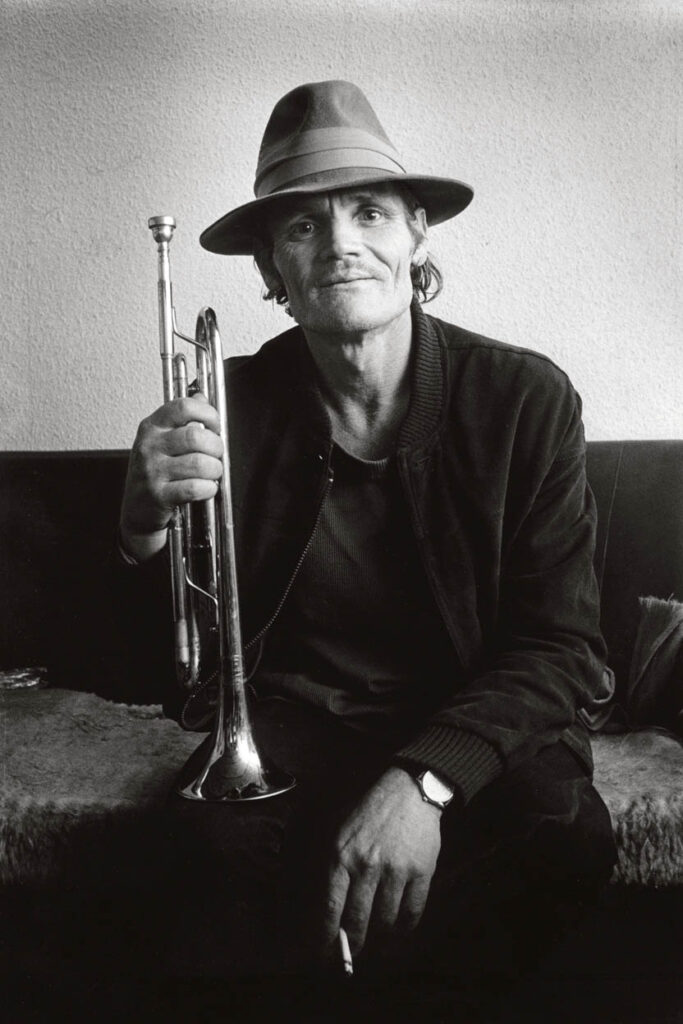
Chet Baker by Bruce Weber

Bruce Weber

Weber is an American fashion photographer born on March 29, 1946, in Greensburg, Pennsylvania, who was also nominated for an Academy Award for filmmaking. The preeminent photographer of the 1980s fashion industry still continues to be one of the world’s most influential photographers, having worked for names like Calvin Klein, Karl Lagerfeld, Ralph Lauren, Abercrombie & Fitch (to name a few), as well as publications like Vogue, GQ, Vanity Fair, and Rolling Stone. Dedicated to telling the stories of Americans and also a huge lover of dogs, he has also teamed up with Detroit-based manufacturer Shinola—a company that manufactures 100% American goods and also values dogs—in shooting an array of campaigns, with dogs as the centre point. In addition to his impressive repertoire throughout the last 3 decades, he’s also famously known for firing supermodel Cindy Crawford from a Revlon shoot in the ‘90s for being rude to his staff—the only time he’s ever sent a model back.

Only shooting film and not digital, his work has a nostalgic, vintage style that is widely recognised and it’s considered to have introduced a unique and fresh level of artistry to commercial photography. His photograph of Olympic athlete Tom Hintnaus for Calvin Klein in 1982, with nothing but white briefs on, catapulted his career to superstardom. This image, along with many other Calvin Klein ads with scantily-clad models and celebrities (including a young Richard Gere) became Weber’s trademark. His ultra-sexy catalogs for Abercombrie & Fitch during the 90s were so racy that kids were required to show ID before purchasing at stores throughout some malls.

Like the Calvin Klein ads, much of his photographs are in black and white and he rarely uses colour. And unlike many other fashion photographers, Weber has shot a countless amount of men and is credited for helping the careers of many up-and-coming male models.
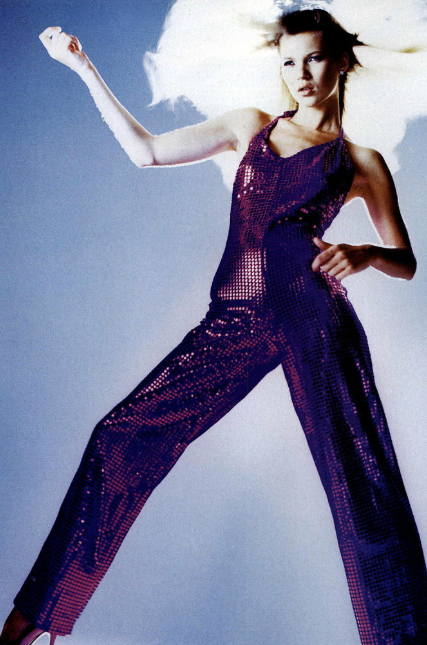
Kate Mos by Nick Knight

Nick Knight

In complete contrast to Weber, Nick Knight pioneered the digital experience of fashion photography as one of the first and most high profile photographers to use digital film to showcase fashion.

Born in 1958 in London, he graduated with distinction in 1982 from Bournemouth & Poole College of Art and Design where he studied photography. In 1982, when he was still a student, his first book, Skinheads was the reason behind i-D editor, Terry Jones commissioning him to create a series of 100 portraits for their fifth anniversary issue. And at a time when designer Yohji Yamamoto’s campaigns were breaking new ground during the late 80s, Knight was commissioned by art director Marc Ascoli for 12 successive catalogs.

Editorially, Knight has been widely celebrated for his work with Vogue, Dazed & Confused, W Magazine, and the 2004 edition of the Pirelli Calendar, among others, as well as producing iconic images in campaigns for high-profile clients like Alexander McQueen, John Galliano and Christian Dior etc. He also made fashion history in 1993 by shooting Linda Evangelista for British Vogue with ring-flash photography, creating a reinterpretation of early 70s hard-edge glamour and marking the end of the grunge-era. This kind of culture of reinterpretation has become Knight’s legacy since, as he uses many digital techniques postproduction to achieve aesthetic perfection. Never having seen photography as a truthful medium, his work is based on the individual’s perceptions of reality. “Photography is all about manipulation, and as it’s evolved, it’s become more manipulative in every way,” he says. As such, his models tend to be treated as compositional elements rather than individuals as he conveys little of their characters.

A long-standing passion towards experimenting with the latest technologies in imagery led Knight to launch his own website, SHOWstudio in 2000. The purpose of the site was to show the entire creative process, from conception to completion in benefiting the artist, the audience, and art itself. Working alongside the world’s most sought-after writers, artists, designers, filmmakers and influential cultural figures, the site creates visionary online content that explores all facets of fashion through interactive image and illustration. When a famous face like Kate Moss’s features on the site, as many as 500,000 users log on in one day.
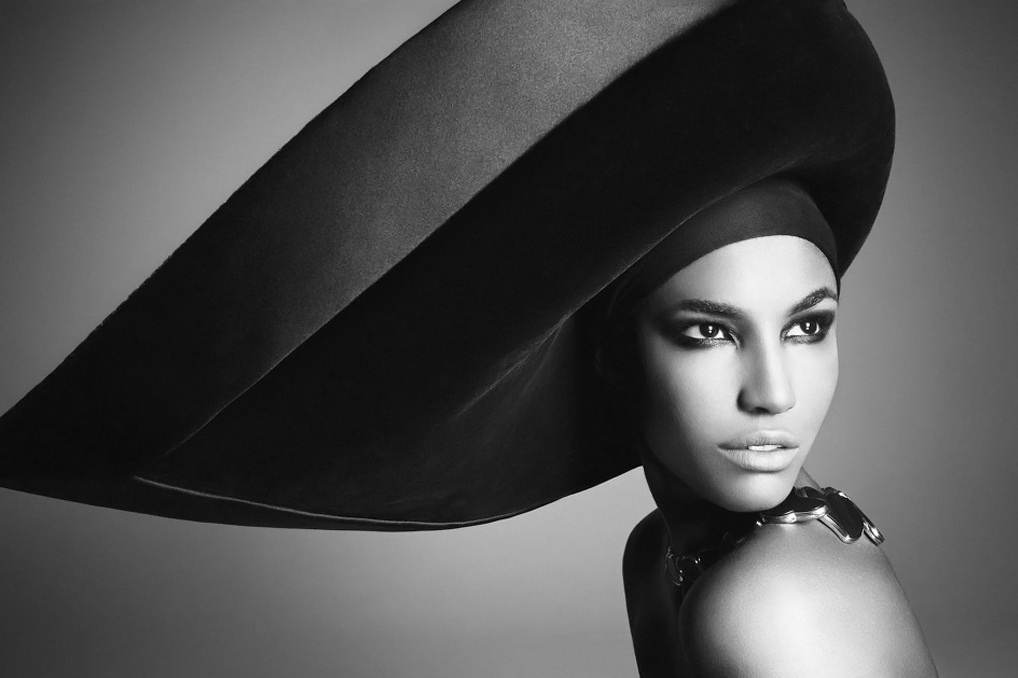
Sessilee Lopez by Steven Meisel

Steven Meisel

A favourite of American Vogue editor, Anna Wintour, Steven Meisel is one of the greats of fashion photography. Having shot every cover of Italian Vogue for the last 20 years and also every Prada campaign since 2004, he dominates the Italian fashion industry.

Born in 1954 in Manhattan and growing up on Long Island, Meisel had a prodigious talent for scripting stories that give cultural resonance; he not only depicts fashion but he also defines it. A very enigmatic and secretive character, he shies away from interviews and appears in public under the guarded line of a hat, dark glasses, and a scarf. As introverted and cautious as he is about himself in the public world, his work is the complete opposite. He loved shooting couture glamour that was over-the-top and also pushing boundaries with sharp social satire. He made stars out of many women who he shot and had a huge contribution to the dislodging of Hollywood celebrities in the ‘80s from their pop-cultural dominance by supermodels like Naomi Campbell, Linda Evangelista, and Christy Turlingon.

Starting off as an illustrator of women at Women’s Wear Daily, and also teaching illustration twice a week at Parsons, The New School for Design, Meisel didn’t think of pursuing photography as a career. He would visit modelling agencies on the weekend where he’d take paparazzi-like photos of models, which is how he met Elite Management booker Oscar Reyes. Admiring Meisel’s illustrations, Reyes asked him to shoot some of his models for their portfolios. Some of the models went to castings for Seventeen magazine and after showing them images from their portfolios, the magazine subsequently contacted Meisel in hopes of working with him. And so began his extraordinary career in photography.

Since then, he’s collaborated with countless publications, designers, and artists. As well as shooting Madonna in 1984 for the album cover of Like a Virgin, and the cover for her single “Bad Girl,” they also worked together in creating their notorious book, Sex in 1992. It was a first of its kind, where such a huge name in pop-culture was so overtly objectifying men. She once told Vogue that Meisel was the first person to introduce her to the idea of reinvention. And in spirit of the satirical undertones in his work, she famously said, “Steven, like me, likes to f*#k with people.” And in the words of Donatella Versace, “with each image, he creates a complete world, one that is at the same time total fantasy and also absolutely true.”

[su_note]Learn how to become a fashion photographer at the Photography School at the New York Film Academy by clicking here.[/su_note]

Method To The Madness: 3 Actors That Took Method Acting To The Next Level

Method acting is a much-revered practice that has received its fair share of attention for producing naturalistic, award-winning acting performances. Not coincidentally, some of the greatest actors of the last century have been ruthlessly committed method actors. In some cases, they are a pain to work with, in other cases their erratic behavior becomes downright unsafe, but one thing is for sure; their performances are something to behold. Check out this list of five actors who took method acting to the next level.

Marlon Brando

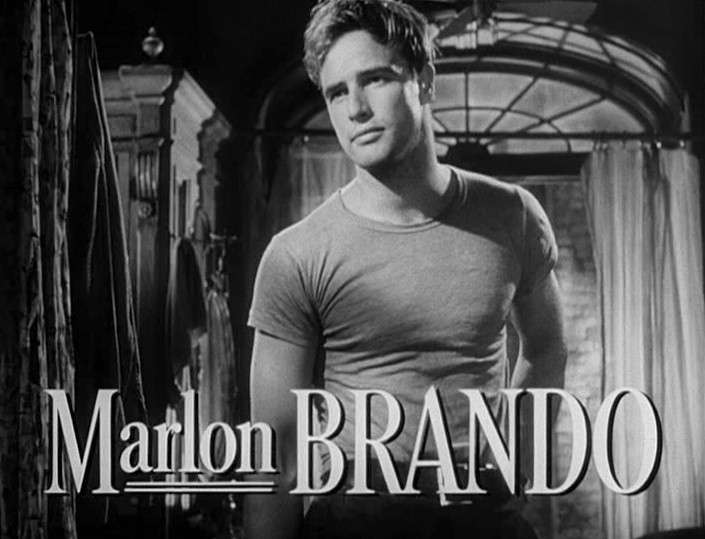
1. Marlon Brando

“Simply put, in film acting, there is before Brando, and there is after Brando. And they are like different worlds.” – The New York Times

Widely regarded as the greatest film actor of all-time, Brando studied acting under Stella Adler and Elia Kazan in New York City. During his Broadway debut in 1946, Brando played a psychopathic murderer in the play Truckline Café. For his climactic scene, he needed to appear as if he had just emerged from an icy lake, so every night, before he went on stage for that scene, Brando would run up and down the stairs until he was out of breath and then he’d have a stagehand dump a bucket of ice water on his head. Audiences were thrilled by his performance. Of the young Brando, Kazan said, “It’s like he’s carrying his own spotlight.” From there, Marlon Brando went on to perfect his craft, ultimately winning two Best Actor Oscars for On the Waterfront and The Godfather.

Dustin Hoffman

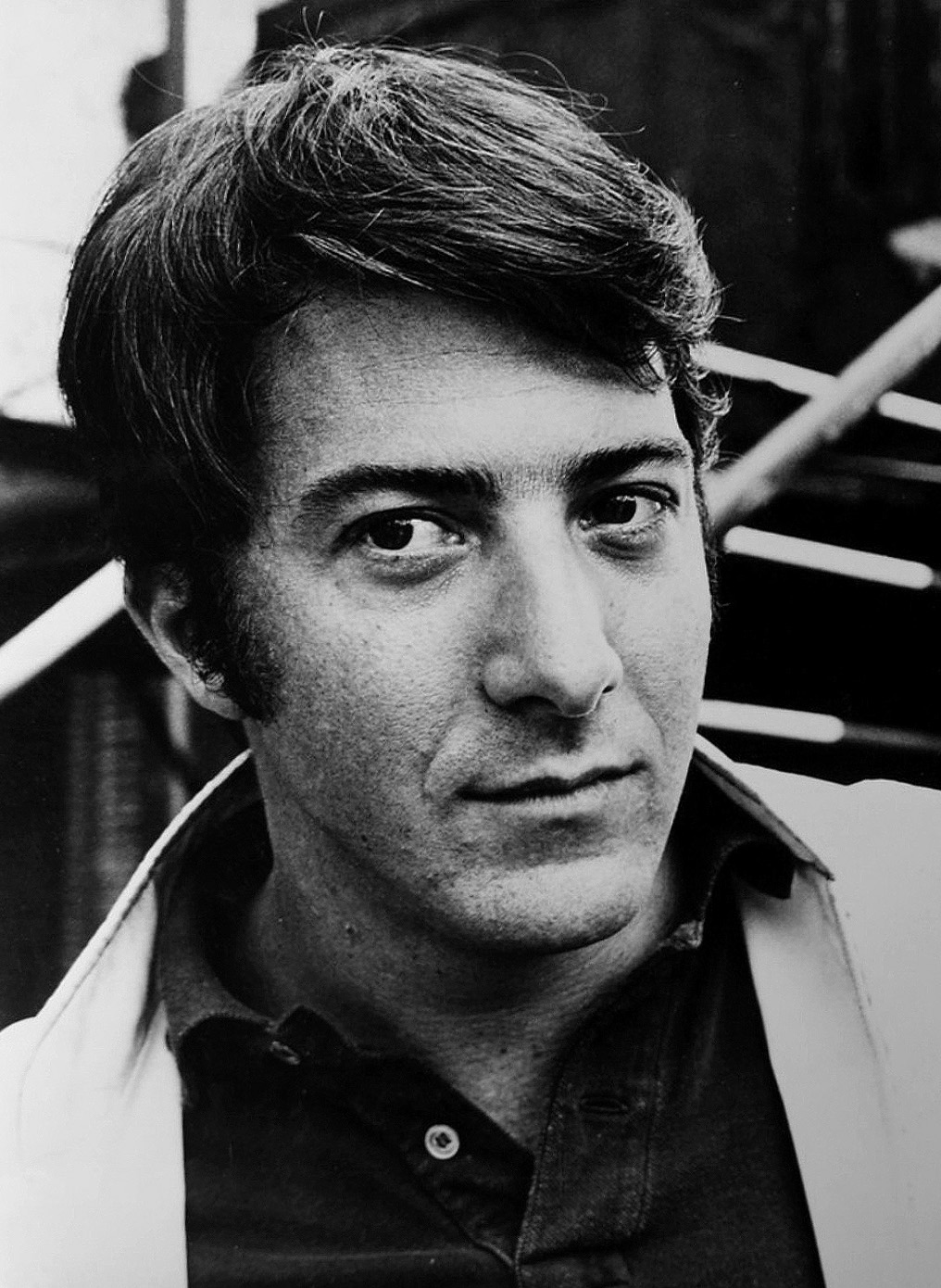
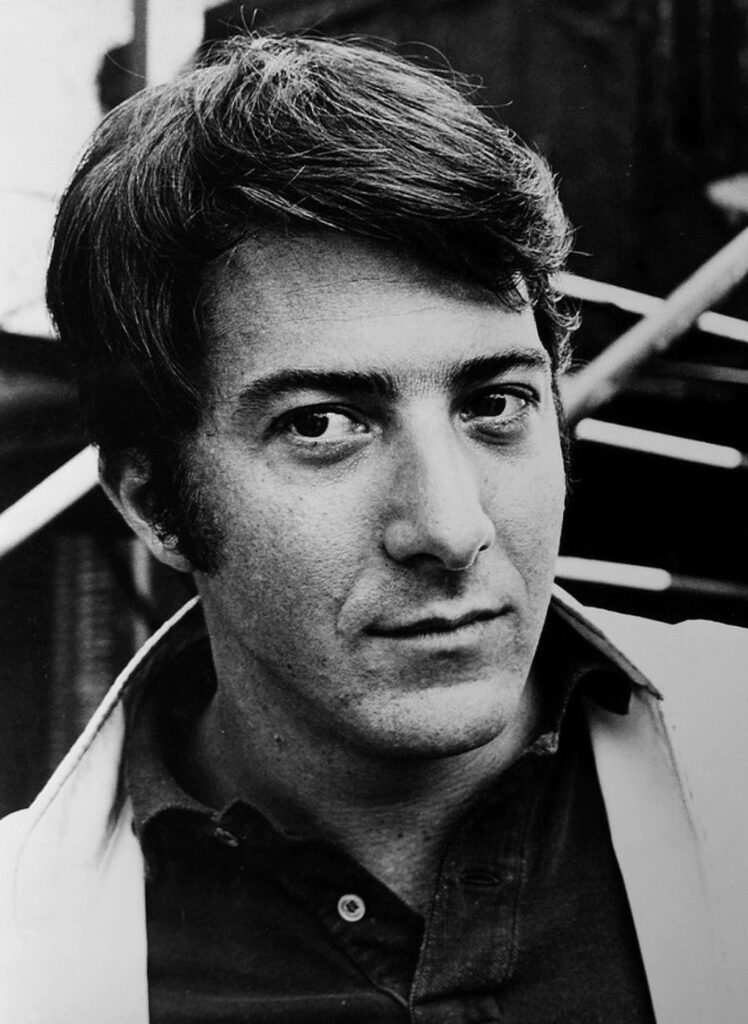
2. Dustin Hoffman

Think it’s hard to follow Marlon Brando on this list? Then you aren’t two-time Academy Award winner Dustin Hoffman (Kramer vs. Kramer and Rain Man) whose devotion to The Method made him a star. Hoffman studied at the Actor’s Studio in New York during the early 1960’s and made his breakout in the 1967 film The Graduate. But, it’s Hoffman’s performance opposite Laurence Olivier in Marathon Man that illustrates his madness for method acting. As legend has it, Olivier (a classically trained stage actor) and Hoffman had the following exchange during the shoot.

“How did your week go, dear boy,” Olivier said.

Hoffman told him that he had filmed a scene in which his character was supposed to have been up for three days straight.

“So what did you do?” Olivier asked.

“Well, I stayed up for three days and three nights.”

Laurence Olivier then uttered this famous line, “Why don’t you just try acting?”

The exchange is oft-quoted to show the difference in thinking between classical actors and modern film actors. In essence, Hoffman’s method became acting legend.

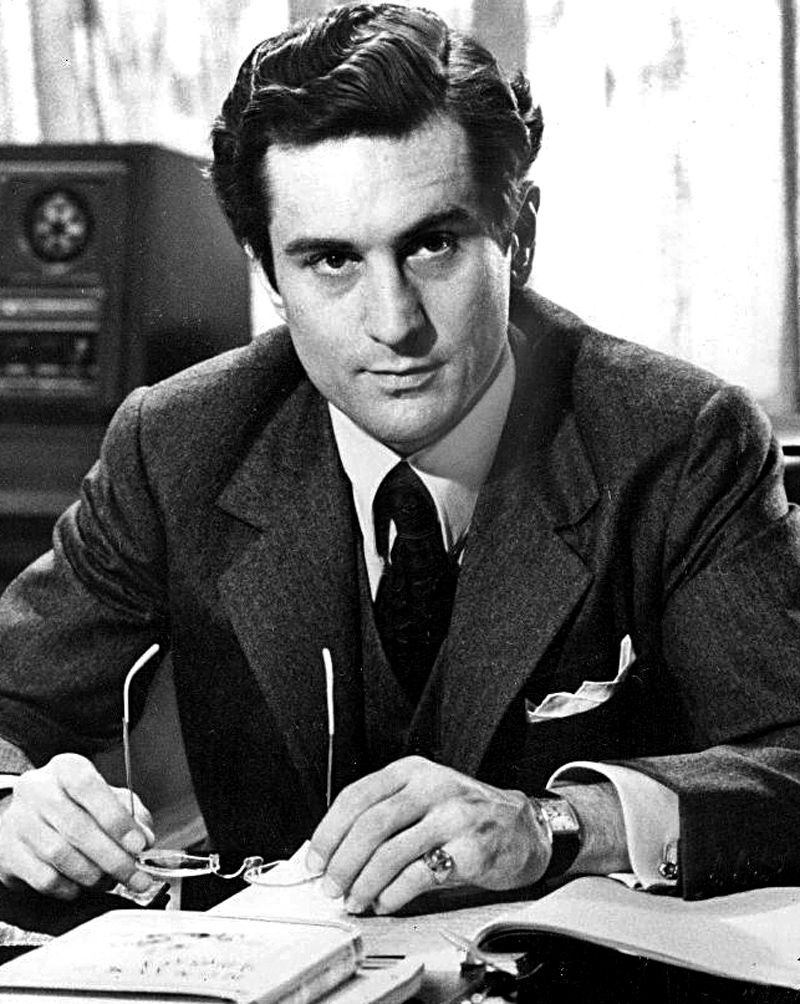
Robert De Niro in The Last Tycoon

3. Robert De Niro

Actors who manipulate their body for roles have always been regarded as the most committed and daring. Think Christian Bale who slashed dozens of pounds for The Fighter and gained nearly 100 lbs. for his role as Batman in Batman Begins. Where did this trend come from and why is it all the rage with awards nominators? The answer is Bob De Niro, who got shredded to play the role of young boxer Jake La Motta, only to gain 60 lbs. to portray La Motta later in life. Not surprisingly, De Niro is an alumnus of Stella Adler’s Conservatory and the Actor’s Studio, where he learned to commit himself fully to his roles.

While shooting Raging Bull, De Niro filmed all his boxing and flashback scenes at a weight of 145 lbs. Then, production was shut down for four months while De Niro ate his way through Italy and France, gaining over 60 lbs. in the process. When he returned to the States, production commenced and the remaining scenes were shot at a rapid pace because the extra weight was taking a toll on De Niro’s health.

Still interested in amazingly mad method actors? Try researching Charlize Theron’s transformation for her role in Monster and Daniel Day-Lewis’ unrelenting devotion to his role in My Left Foot. Perhaps the most interesting thing about this list; they are all Academy Award winners. There must be a method to the madness.

Whether you consider The Method madness or genius, there’s no denying it gets results!

[su_note]Learn more about the School of Acting at the New York Film Academy by clicking here.[/su_note]
Recent Comedic Performances All Comedy Actors Should See

If acting is hard, comedic acting is in a league of its own. There is a delicate balance when acting comedy; too much and the character comes off as unbelievable, too little and the character isn’t funny. However, when the proper equilibrium is achieved, comedic performances sparkle on screen. What follows is a list of five actors that turned in comedic performances that every aspiring actor should see.

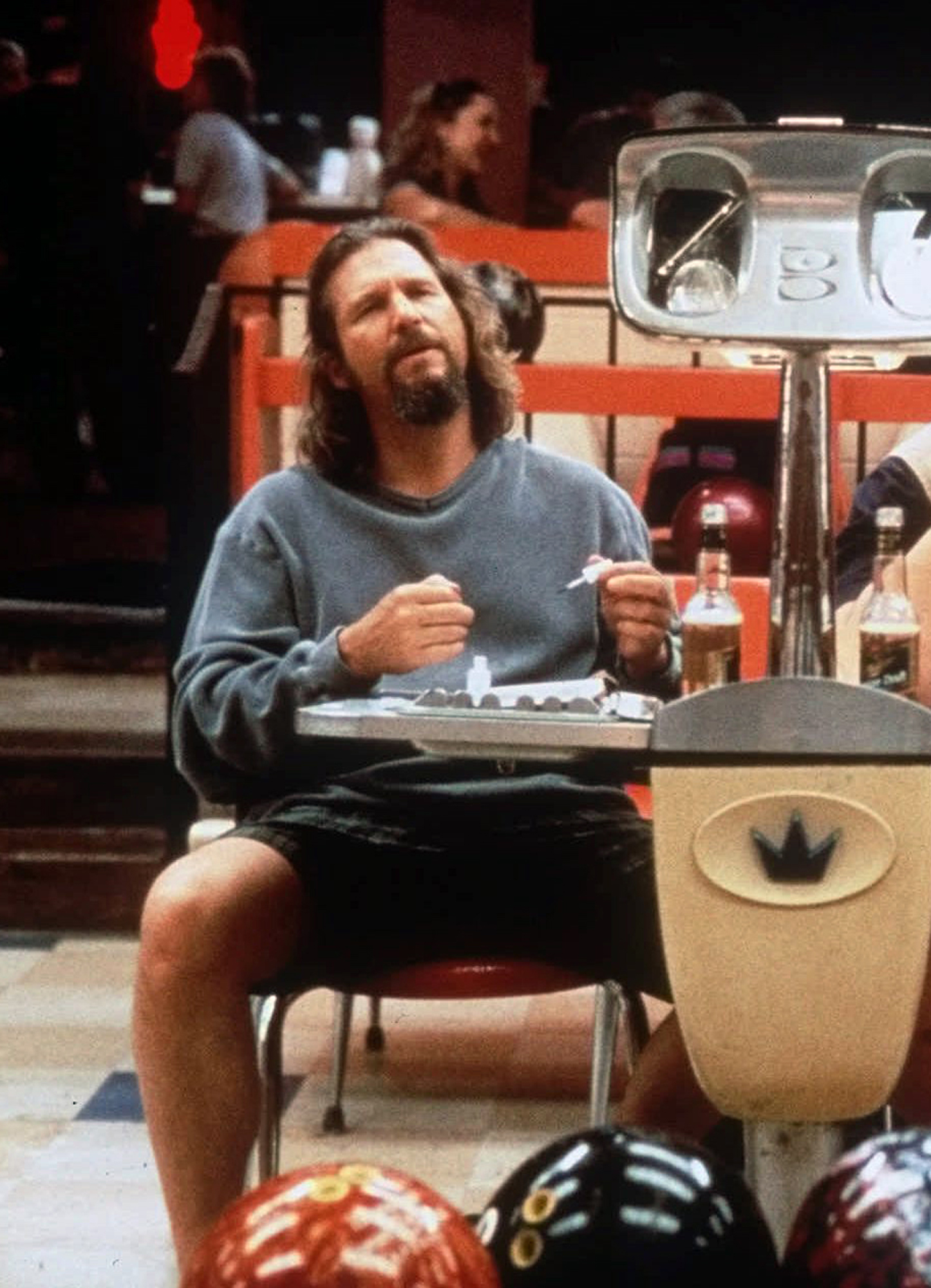
Jeff Bridges in The Big Lebowski
In this 1998 publicity image released by Gramercy Pictures, Jeff Bridges appears in a scene from the motion picture “The Big Lebowski,” directed by brothers Ethan and Joel Coen. (AP Photo/Gramercy Pictures, file)

Jeff Bridges, The Big Lebowski

The role precedes the actor. He is a cinematic icon. He is the Dude. Jeff Bridges has been acting since he learned to speak, but no role has captured his skill as an actor more than his portrayal of Jeffery Lebowski in the Cohen Brothers’ cult hit The Big Lebowski. Bridges plays a low-energy stoner with a penchant for White Russians and bowling. The plot is nearly as unintelligible as the Dude which only complicates the already complicated task of making the character real, likable, and entertaining. In the skilled hands of Bridges, the Dude became a Dude. It’s time for a White Russian.

Johnny Depp in Pirates of the Caribbean

Johnny Depp, Pirates of the Caribbean

Wait a second; Jack Sparrow isn’t a comedic role! Yes, yes it is. In fact, the screenwriters based the role on both Bugs Bunny and Groucho Marx and Depp himself notoriously “sponged” off of Keith Richards for further quirky inspiration. Despite his past as a dashing “leading man” type, Depp meshes a lovable sensibility with aloofness and spot on facial expressions to produce a quirky pirate that audiences love. Captain Jack Sparrow seems a simple character on the surface as all he wants is his ship back. But Depp is able to infuse the character with physical detail, inner conflict, and a soul that makes him not only hilarious but sympathetic. Watch Sparrow walk down the dock, arms wagging in effeminate fashion and try not to smile.

Melissa McCarthy in Bridesmaids

Melissa McCarthy, Bridesmaids

This is a film that dispelled any notions that female-led comedies do not sell tickets and McCarthy headlines the raucous cast as the oddball misfit of the wedding party. Every time she is on screen, she steals the show. Every time she is off screen, you eagerly anticipate her next appearance. Standout scenes include “going to the bathroom in the sink” and “outing an air marshal.” If you haven’t seen it, you need to. McCarthy rightly earned an Oscar nomination (rare for comedic actors) for the role.

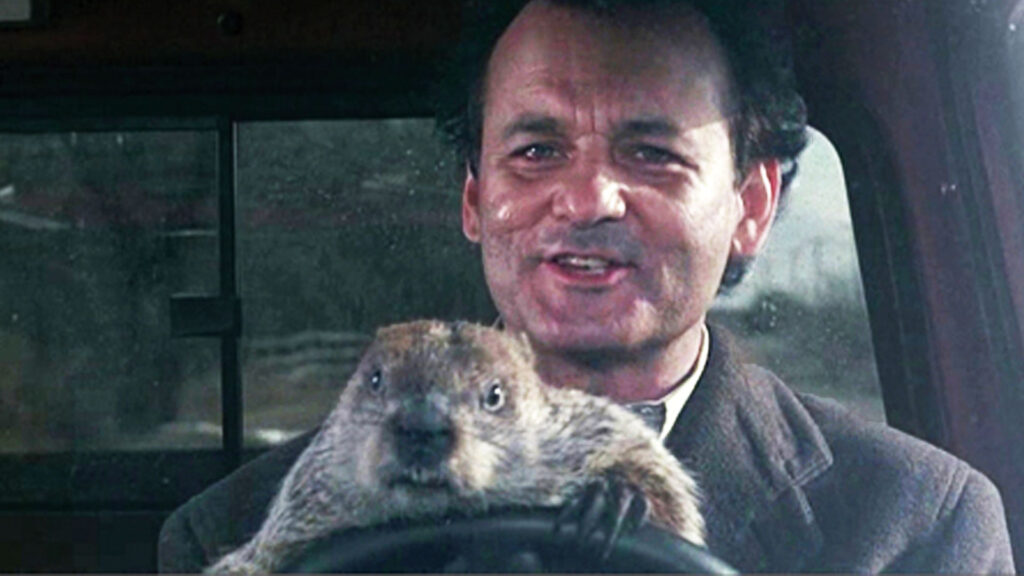
Bill Murray in Groundhog Day

Bill Murray, Groundhog Day

Of course, Bill Murray has to appear on the list, but which role is his best? He is an incredibly versatile actor, able to play dramatic and comedic characters with ease. In Caddy Shack, he plays a nutcase; in Lost in Translation he plays a depressed, aging actor; and in Groundhog Day he plays a thoroughly terrible human being. Yet, even though he is rude, arrogant, and selfish, Murray’s portrayal of the tormented news reporter Phil Connors is highlighted by his humanity. Though the film consists of the same day on repeat, it never becomes boring. Murray infuses each day with comedic energy and original choices that keeps the amazingly simple film turning.

It takes a special actor to be both realistic and funny. Comedic acting on screen has to be one of the most difficult skills to master, but these four actors do it with ease. Any actor who wants to improve can learn from the above performances. What’s your favorite comedic performance?

[su_note]Learn more about the School of Acting at the New York Film Academy by clicking here.[/su_note]
So What Exactly Is A Logline (And Why Do I Need One?)

The definition of a logline: one line (or two at the most) which describes what your screenplay is about.

Job done. Simple, right?

Well, not really. As you’ve no doubt already noticed, this post extends onwards and that’s because a logline is a surprisingly tricky thing to master…

… as well as being something you should ignore at your peril!

Today we’ll be looking at how to get the best out of your logline, and why it should be a high priority.

Loglines: The What

So we’ve already covered the basic definition in that a logline should describe the story, but a great logline should go a little further for that. Consider the following examples, and decide for yourself which one is best in each case:

Terminator

Example 1: A cyborg from the future hunts down a woman destined to later become the mother of humankind’s savior.

Example 2: A woman must fight for her life against an unstoppable cyborg assassin, sent back from the future with one mission: to kill her and prevent a future human uprising.

Jurassic Park

Example 1: A group of survivors struggle to escape from a revolutionary wildlife park filled with dinosaurs after a bribed employee sabotages the predators’ security gates.

Example 2: A rich philanthropist leads a team of scientists to populate a wildlife park with living dinosaur clones.

The Wizard of Oz

Example 1: A young girl finds herself transported to a surreal land far way from home. Desperately seeking the one man that can help her return, an evil witch shadows her every move…

Example 2: Dorothy is whisked away by a tornado to the Land of Oz, where she meets a group of friends each searching for something unique.

While all of the above examples could use some tightening up, some are definitely more effective than others and we’ll unpack each one as we discuss the conventions of writing a logline.

Loglines: The How

A logline should convey what happens in the story. That much is a given, and all six of the above loglines definitely do that. But a good logline should include all the same elements and structure that make up a fine screenplay:

– A set of circumstances
– A protagonist with a clear goal
– An opposing antagonist
– A point of conflict between the two parties

The screenplay itself, of course, will have resolution but that isn’t necessary in the logline (as its absence results in enticement!)

So, for example: “A recently widowed wife finds herself in a bitter legal dispute with her late husband’s psychotic and overbearing mother.”

That hits all of the above criteria for an effective logline. So which of the earlier examples fail?

Terminator: In this case example 1 is the weaker of the two. It opens with the antagonist, and while his goal is laid out and the scenario set, we don’t know much about the protagonist except for the circumstance she’s in. Example 2 is far stronger, follows convention, and has a greater sence of urgency.

Jurassic Park: You probably guessed this one. Example 2 is the weaker logline; no conflict, just a setting.

Wizard of Oz: The lines are a little more blurry here–both hit all the criteria (save for the lack of an antagonist in example 2), but the first doesn’t waste words on superfluous detail. It’s extremely uncommon to give characters names in the logline and nor is it necessary to explain that she’s in Oz or how she got there; example 1 focuses squarely on the key players and their motivations, and is better for it.

Hopefully that has helped differentiate between what constitutes a strong and a weak logline, but here are a few more tips that’ll help you nail it:

– The golden rule: When we say don’t go more than two sentences with your logline, we really mean it.

– Remember that you’re trying to sell the screenplay itself, not the story therein. You’ll fail if you try to do justice to the latter in two sentences, but it’s entirely possible to make the script itself enticing in the same space.

– Read it out loud to someone. Their reaction will be very telling, and very valuable.

– The logline can actually be helpful to you, too. If you ever get stuck with the production or find yourself losing your original vision, read it back to yourself. That’s the very essence of your film, right there, and should shine through in every scene of the movie and on every page of the script.

Loglines: The Why

If you can’t sell your screenplay in one line, you’re not going to sell your movie to either investors or a paying audience. It really is that simple.

The importance of a killer logline cannot be understated—if you think of it in terms of a job interview and leaving a good first impression, a strong logline is like walking into the room with a Ted Baker suit and greeting the interviewer with a well-manicured hand. A weak logline is slouching into the room with your sweatpants on.

Come at it with laser-like focus, and your logline will be more that worth the time and effort you put into it in the long run. Best of luck!

[su_note]Learn more about the School of Screenwriting at the New York Film Academy by clicking here.[/su_note]

Extreme Temperature Photography: The Do’s And (Definitely) Don’ts

Extreme Temperature Photography: The Do’s and (Definitely) Don’ts

A parched, mudcracked desert floor. An ice-kissed cobweb suspended between the barren twigs of a tree in winter. An Arctic sunrise. The photographic holy grail of the Aurora Borealis.

All amazing images, and all involve shooting in extreme temperatures in order to attain them.

You pursuits at photography school are likely to see you put yourself in strange situations in order to push your craft, and when it comes to testing the limits of what’s achievable, the temperature of the environment you’re shooting in can sometimes impose a very physical barrier.

You don’t want to put your (or the school’s) valuable equipment at risk of damage, but at the same time you’ll want to get the best out of your extreme temperature shots.

Here’s how. Firstly, we’ll start off with (and close on) a note regarding personal safety:

1. Let Someone Know Where You’re Going (and When You’ll Be Back)

car driving through desert

As with any outdoor activity that carries a degree of risk, don’t wander off into the snowy tundra or blazing desert without letting someone know what your plan is so they can raise a flag if you don’t return.

The last thing you want is to be stuck in a canyon with your arm crushed under a rock, trying to work out if it’s even possible to saw off a limb using a lens cap.

Let’s move on to the technical considerations, including:

blurry beach photo

2. Condensation

Condensation is your equipment’s #1 enemy when it comes to extreme temperature photography, and the damage it can cause to the inside of internal elements can be permanent (not to mention warranty-voiding, since the manufacturer will rightly argue that condensation damage is user-induced.)

Alongside all this, condensation on the inside of a lens—and the dry spots it can leave afterwards—can easily ruin a shoot, and again, may end up being a permanent feature of your lens.

So, let’s discuss how to avoid all this. Whether in extreme heat or cold, the actual temperature doesn’t matter; it’s the temperature differential that makes the difference.

Taking your camera out of an air-conditioned van and into a Phoenix Summer’s heat—or, conversely—entering your heated apartment after shooting in sub-zero temperatures will both have the same effect.

The only surefire way to counteract this is by making sure the camera’s temperature doesn’t change too quickly. Ergo, warm it up and cool it down gradually depending on what manner of extreme you’re entering/leaving.

Removing moisture from the air near the camera also helps, which is why many photographers working in extreme temperatures like to keep the camera in an airtight plastic bag with a few sachets of silica gel (in cold weather, condensation will also form on the bag rather than on the camera.)

Be sure to look up the camera’s humidity operating range, too. If the manufacturer warns against shooting in areas with more than 60% humidity, you might want to cancel that trip you had planned to the Amazon.

3. You’ll Want Spare Batteries in the Cold

sunset on the water

You’ve spent the best part of an evening making your way through ice and snow to the middle of nowhere in order to enjoy a couple of hours shooting a beautiful, starry Winter sky… only to have what were fully charged batteries die in 15 minutes.

Camera batteries loathe the cold, and show their protest by losing their charge incredibly quickly while in it. Take spares, or plan around a very short photo shoot!

4. UV Filter

uv filter used in tree photo

Which would you rather wreck: your $600 lens, or a $5 UV filter?

It goes without saying that extremely hot conditions are likely brought about by searing sunlight bearing down on you and your equipment, so a UV filter is a must… but the same applies on the other side of the thermometer, too.

When working in areas with snow, low winter sunlight is going to reflect off that stuff like nobody’s business and give your lenses and filters one heck of a UV bath. It’ll pay dividends to protect it all with a decent UV filter.

Lastly, and certainly not least…

5. Never Put Yourself at Risk

photography on the beach

Making sure your camera is up to the rigors of a sub-zero night of shooting is one thing, but if you lose your fingers to frostbite the camera’s not going to be of much use to you.

This may sound obvious, but it’s surprising how blindsided we can get as photographers in the hunt of that perfect shot. No matter whether you’re shooting in hot or cold, be sure to take adequate precautions based on the environment (and doubly make sure it’s not going to get any more extreme than you planned for.)

There isn’t a single photo you could possibly get that’s worth getting heat stroke or dying of hypothermia…

… but there are a lot of excellent shots waiting to be taken safely and without risk when just a little bit of planning and common sense is applied.

Wrap up and get out there!

Screenwriting Tips: How To Nail Supernatural Realism

A penchant for the supernatural seems to have snuck in through the back door of the screenwriting industry recently, with a resurgence in movies and shows that have some kind of otherworldly element playing into the plot.

Not all of these are out-and-out horror, but it’s in part the success of franchises like Paranormal Activity and shows like American Horror Story that have fueled this recent trend.

Of course, some supernatural titles end up being better than others and their effectiveness is largely down to how “believable” the paranormal element is. The idea of needing to make the otherworldly seem real is something of a strange one, so for the benefit of those looking to do so at screenwriting school, today we’ll be exploring:

Creating Believable Supernatural Characters and Elements

In essence, what we’re dealing with here is the willing suspension of disbelief; the tricky thing with this is that not all viewers have the same willingness to go with whatever you present to them.

Not a great deal you can do about that—as the old adage goes, you can’t please all of the people all of the time. But one surefire trick that’ll help you please most of the people all of the time is:

Internal Logic

Make sure it’s absolutely watertight.

You can come up with the most ludicrous paranormal premise imaginable—and remember, supernatural doesn’t just mean “ghosts” but also superpowers or any other paranormal element—and you can still get people onboard as long as two conditions are met:

  • The rules and limits of the supernatural element or character are clearly defined.
  • These rules are not broken.

The Sixth Sense worked because you get to the end and realize that everything held up to the revealed premise (if there was a single scene in which any of the ghosts interacted directly with any character other than the boy, the entire screenplay would have souffléd.)

Cabin in the Woods had a ridiculously over-the-top supernatural plot device, but it all adheres to the rules explained to us over the course of the movie.

On the other hand, nothing is more infuriating to us as viewers than a ghost ex machina. Suddenly having a character walk through walls, apropos of nothing, will have the audience groaning en masse.

Similarly, trying to tie up plotlines and provide resolution through the sudden introduction of a supernatural element has the opposite effect.

In short, anything goes when it comes to writing supernatural fiction… but not everything should go.

Playing In the Shadows

As a species, we’ve always held a macabre fascination with death.

But whereas supernatural stories from antiquity and right up to the Victorian era concerned themselves primarily with exploring what happens in the afterlife, modern ghost stories are more speculative.

Instead of trying to come to a conclusion about the afterlife, it’s now more about asking the big question: what if?

A strong “what if” scenario is often the strongest weapon in the screenwriter’s arsenal, and doubly so when it comes to supernatural fiction. As long as the speculative element is engaging and the aforementioned internal logic is consistent, you’ll start off with a strong foundation for a great script.

Don’t Neglect Your Protagonist

In the quest for crafting a wholly believable and compelling supernatural antagonist or scenario, the human characters rooted to the confines of reality often fall by the wayside.

A common pitfall is to have the main characters simply reacting to the otherworldly being throughout the entire script, which contravenes one of the golden rules of scriptwriting: characters should have their own goals and motivations.

If your human characters are nothing more than things for the ghost/werewolf/demon to toy with, you’ll never hook the audience emotionally.

On the other hand, if you have a cast of characters with goals of their own who react in a logical and realistic way to the supernatural force they’re up against, not only will you get the viewers more invested in the story but you’ll also make the paranormal seem more believable too.

Double win.

Avoid Lengthy Exposition

Although conveying the rules of how your ghostly being, haunted house or possessed doll operates is important, stick to the old ‘show not tell’ convention.

When dealing with concepts that are unbelievable by proxy, establishing plausibility is important. But again, do this by showing the supernatural character’s goals and limitations (as well as plugging up inconsistencies that the audience may find fault with.)

Two characters sharing exposition at length regarding the nature of the monster under the bed not required.

[su_note]Our screenwriting students work on various projects that span a variety of genres and mediums across our screenwriting programs. Visit our Screenwriting School page to learn more about what our students work on and find a program that suits your interests.[/su_note]

2016 Elections And TV’s Need For A Millennial Social Media Strategy

Donald Trump speaking at a presidential rally

According to a 2015 Pew Research report, almost two-thirds of Millennials (61%) view news on Facebook, more than any other news source. Only 37% say they acquire news from local TV. By contrast, Baby Boomers consume news from local television at almost the same rate that Millennials get news from Facebook (60%) and Gen Xers fall in the middle, with 51% getting political news from Facebook and 46% from local TV.

A Wide Array of Political News on Social Media Keeps Millennials Engaged

Not only are Millennials more reliant on Facebook and other social media sites for political news, they also see it throughout the day at high rates, as opposed to a few times a day on a local news affiliate. Twenty-four percent of the age group said at least half the posts in their feeds were related to politics. (To be fair, it’s unclear whether all those posts are from legitimate news sources. It is possible users were counting memes of Donald Trump jack-o-lanterns, shares from The Onion, and other humorous content about politicians.)

The report goes on to show that Millennials are less aware of broadcast news sources like MSNBC and NPR, and more aware of online sources  like Buzzfeed and Google News.

Where Does This Leave Local Television for the 2016 Election Cycle?

Is this cause for concern for TV stations that rely heavily on political ad spending in election years? Not necessarily. In April, Carl Salas of Moody’s told The Los Angeles Times he predicts 2016 will see a 20% increase in spending over the 2014 mid-term election spending of $2.9 billion. He added that he thought about two-thirds of that money would go to television.

Other political ad spending analysts agree. In July, The Cook Political Report predicated total TV ad spending for 2016 would hit $4.4 billion.

That’s not just going to national networks, either—a July Washington Post article pointed out that older viewers are more likely to vote. Research firm BIA/Kelsey’s senior vice president Mark Fratrik is quoted as saying that local news viewers tend to be voters—all the more reason for political spenders to buy time on both local and national TV.

Should TV Stations Focus on Older Viewers?

Since Gen Xers and especially Baby Boomers are more likely to both watch local news and get political news from television, it might appear that the simple solution is to focus on older viewers when planning political coverage for the 2016 year.

This strategy isn’t difficult to implement. While you should cover all the issues of both local and national news, you can also run special reports on issues that are primarily of interest to older viewers—a package detailing where candidates stand on Social Security, for example.

That doesn’t mean you should abandon hope of reaching Millennials. They may be less likely to vote, but the 18-34 age demographic is still important to advertisers, as they’re less brand loyal and more likely to try new products. And since they’re more active on social media in terms of their news consumption, broadcast journalists are increasingly using social media itself to measure the impact of their reports.

How to Reach Millennials with Political News

Facebook and other social networks are the ideal places to reach Millennial news consumers. If you can engage with younger viewers on social media, they’re more likely to watch your station when they do turn on the TV for news. And try experimenting with newer streaming video social media networks like Meerkat and Periscope which can add an extra dimension to a news story, allowing journalists to provide behind-the-scenes commentary that wouldn’t fit on TV. You can also earn ad revenue from pre-roll ads when people view videos of political news online, and even more revenue if they visit your website.

While political issues that affect older Americans may be a good idea for special reports, your social media posts should focus on issues of interest to younger consumers, like unemployment rates and student loan debts. Did a political candidate just announce he or she has a plan to reduce higher education costs? Get the package from your national network and retweet it, asking followers what they think. This kind of engagement will help you earn ad revenue online thanks to younger viewers, while still collecting on-air ad dollars for the 2016 election cycle.

Institutions like NYFA’s Broadcast Journalism program are training the next generation of multimedia journalists (MMJs). Students learn how to become content creators, with an eye towards cross-platform distribution. Usually a local news story shouldn’t be posted “as is” on social media. Instead, it needs to be crafted to meet the expectations and needs of a different audience. One reason why so-called “explainers” have become popular is that they can be viewed on a smartphone or a similar device minus any sound. That’s exactly what Now This did recently with a powerful Halloween-themed story.