8-Week Producing Workshop

8-Week Producing Workshop

Gain Experience in Producing Films, TV, and Media

NYFA’s intensive, hands-on 8-week producing workshop allows students to fully explore the work of a producer, while applying their newly acquired knowledge to the production of a short film. Students will learn how to manage every step of the production process through rigorous coursework and hands-on experience.

Workshop DescriptionWorkshop Name: 8-Week Producing Workshop

In the 8-Week Producing Workshop, students will get a complete overview of production fundamentals. The program includes a detailed exploration of the creative producing process, such as the creation of a film package and story and script analysis. Students also gain an introduction to production management, including industry-standard scheduling and budgeting software. To round out their studies, students also take camera, lighting, and sound classes and get instruction in pitching and entertainment law.


To better understand the role of a Producer, students will also write their own script, cast actors, schedule, budget, shoot, edit, adding sound, music, and credits to realize a finished short film project. Many producing workshop graduates enroll in lengthier programs, such as NYFA’s 1-Year Producing Program, to continue to build their expertise.

NYFA also offers the possibility to learn producing from anywhere through a variety of online producing workshops.

To learn more about the 8-Week Producing Workshop, see NYFA’s Course Catalog or request more information.

Read More

Class Details

Producer’s Craft: Budgeting
In this course, students will learn the importance of balancing the creative vision of a project with logistics and budgetary constraints. Students will break down a script, create a shooting schedule, and learn how to identify all necessary elements. Students will then build a budget, learn about unions and guilds, and make critical assumptions. Students will be introduced to and trained on the industry-standard software used by producers; Movie Magic Scheduling and Movie Magic Budgeting. 

Producer’s Craft: Creative
This area of study is designed to give students insight into the duties and responsibilities of the Producer. Both creative producing and production management will be introduced and discussed. Students will analyze each phase of a project, including development, pre-production, production, post-production and marketing & distribution. Students will experience first-hand a rigorous film project and go through a green-light meeting. 

Screenwriting Fundamentals
Effective producers must have a basic understanding and familiarization with the elements of storytelling, and how those elements are translated into a script worth producing. Producers must also know enough about screenwriting to work with writers in making passable scripts good and good scripts even better. Students will learn dramatic story structure and how theme, tension, conflict and character development are essential to effective storytelling. They will be introduced to: pitching a story, writing a logline and treatment, character arcs, dialogue and screenplay formatting. Each student will develop and write an original, five- to ten-page narrative script. 

Hands-on Camera & Lighting
In Hands-On Camera & Lighting, students learn fundamental skills in the art of cinematography. They will be introduced to cameras and supporting equipment and learn how to handle them, including how to assemble, disassemble and pack the gear. Students will shoot screen tests for focus, exposure, lens perspective, slow/fast motion, contrast and lighting in preparation for the 3- minute short film and individual short films.

Sound Design
In Sound Design, producing students are introduced to and discuss voice-over, sound effects and music as viable and common means to enhance story. This area of study is designed to afford students the knowledge and skills to execute professional-grade, single-system production sound recording sessions, as well as instruct the student on how production sound relates to the overall structure of film sound. Students practice a series of hands-on exercises with professional recording equipment under the guidance of the instructor. All exercises are recorded and played back during class time. In addition, students will listen to film clips without images and will practice the identification and classification of film sound. Students will also be introduced to Post-Production Sound. 

Editing
Editing presents students with multiple aesthetic approaches to editing film projects. Students will learn to apply concepts such as temporal continuity and spatial continuity, as well as less traditional discontinuous editing techniques. The area of study will also discuss the psychological and emotional effects of editing on the overall story. Lectures are supplemented with individual consultations at the computer. 

Directing for Producers
The director’s vision shapes the look and feel of a film. The student is responsible for turning the words of a script into images on the screen. Through directing exercises, this class will allow producers to understand how directors organize their vision. Students are introduced to storyboards, overheads and shot lists, as well as working with actors and key crew members. In crews, students develop, prep, shoot and edit one 3-minute silent short film. In addition, each student will produce a short script developed in Screenwriting Fundamentals or will participate in the shoot of a classmate’s short film. 

Entertainment Law
This class explores the legal and business issues related to film and television for creative producers and it surveys the many legal doctrines that shape the entertainment industry and explores how those various doctrines interact. Topics will include free speech, defamation, invasion of privacy, publicity rights, copyright and fair use. Particular attention is paid to intellectual property. Students will be introduced to standard contract formats and contractual relations in the entertainment industry. Students will explore the clearances and releases needed for depiction of people or their works in films, including likeness, crowd notice, locations, names and artwork. This area of study is designed to enable non-lawyers to understand how these various areas of law will impact their projects.

Branding, Marketing, & Distribution
In this course, students will learn necessary creative and conceptual skills to develop a brand. Students will be introduced to and will analyze mission statements and will develop their own. Students will also examine and analyze marketing and distribution plans for feature films. They will also discern the type of projects they want to develop and where in the entertainment industry this work will fit creatively and fiscally. 

Reality TV/Alternative Media
Students will learn the basics of producing for reality television and the genre’s relationship to other platforms and formats through the analysis of existing successful reality TV programming. Students will also learn about new and emerging media technology and explore web series, podcasts and multimedia tie-ins. 

Pitching Workshop
Through in-class examples, students are introduced to effective pitching styles and instructed on how to pitch to investors and development executives. Each student will practice and gain critical and fundamental pitching skills. Students will develop a brief and effective pitch of the material they are developing in class and pitch it to their instructor and the class in the final class meeting.

Read More

TIMES AND BREAKDOWN BY WEEK

This is a full-time workshop that runs from Monday through Friday.

Read More

PROGRAM AND SOFTWARE REQUIREMENTS

This course requires the following software and equipment:

  • External hard drive (generally costs $30-$200)
  • An SD Card

8-Week Producing Workshop

Location Program Start Date and End Date Tuition
New York City

June 1, 2026 – July 25, 2026

September 14, 2026 – November 14, 2026

Tuition and Equipment & Technology Fee

Tuition:$6,263

Departmental Program Fee:$609

Program Duration: 8-week

Los Angeles

June 1, 2026 – July 25, 2026

September 14, 2026 – November 14, 2026

Tuition and Equipment & Technology Fee

Tuition:$6,263

Departmental Program Fee:$609

Program Duration: 8-week

Please note: Equipment, curriculum, and projects are subject to change and may vary depending on location. Students should consult the most recently published campus catalog for the most up-to-date curriculum.
Practical Applications Course in Documentary Filmmaking

Practical Applications Course in Documentary Filmmaking

NYFA’s Practical Applications in Documentary Filmmaking Course is a fourteen-week, evening course that introduces essential principles and techniques in the craft of documentary filmmaking. Students take classes in theory and get hands-on training, completing a range of intensive projects. Throughout the workshop, students develop, direct, shoot, and edit documentaries of various styles.

WORKSHOP DESCRIPTION

In this part-time evening workshop, students gain proficiency in the fundamental tools of documentary filmmaking and undertake multiple film projects. After production and postproduction, students screen their work for classmates and instructors, participating in critiques and discussions. Additionally, teacher-supervised production workshops allow students to practice non-fiction storytelling, producing, directing, shooting, and sound recording.

NYFA also offers the possibility to learn filmmaking from anywhere through various online documentary filmmaking workshops.

This course may be taken for credit. To learn more, please see NYFA’s Course Catalog or request information.

CLASS DETAILS

This course can be taken either as a stand-alone workshop course or as part of our BFA Entertainment Media degree program. Students who successfully complete it as a stand-alone workshop course can transfer the credits directly into our BFA Entertainment Media degree program if they choose to continue their studies.

Students will direct 3 short nonfiction film projects over the course of the program. They will also crew on their classmates’ projects, rotating roles such as Director of Photography, Sound Recordist, and Assistant Camera/Production Assistant.

Observational Film
The Observational Film focuses on the fundamentals of cinematic storytelling. In this film, you will tell a nonfiction story on a small scale – something with a beginning, middle, and end—using nothing but moving images. Usually, students decide to film a process, but the door is open to other approaches. The film will have no sound and will focus on telling a story using only moving images. Your challenge is to find something that interests

you in the world and to tell its story clearly and engagingly. The first aim is that an audience can understand what is going on; the second is to capture a beginning, middle, and end, and the hope is that it will be interesting or compelling to a viewer.

Interview Film
Here, we concentrate on the character and will use interviews to tell the story. Each director will find someone who needs something and is trying to overcome obstacles to get what he or she needs. The story can be happening now or can have transpired in the past. What kind of interview will best reveal the story that you are trying to tell? What kind of presence do you, the filmmaker, want in your interview? How do we keep our stories visually vibrant and compelling? How do we incorporate what was learned in the first film – creating a beginning, middle, and end, crafting a visual story, allowing action to reveal character – into a character-driven interview film?

Final Film
This is a chance to marry visual and verbal storytelling to make a film that is important to you. You may choose any subject and use film language to tell an engaging story. Over the course of the program, you will identify what subjects you find compelling, consider what you might want to explore and prepare to produce your film. With it, you may want to fashion a calling card or aim for a film festival run.

Read More

TIMES AND BREAKDOWN BY WEEK

This is generally an evening documentary workshop. Classes generally run on Monday, Tuesday, and Thursday evenings from 7:00 – 9:40 PM. There are also two Saturdays during the program where students will have daytime classes/production workshops. The full program runs over 14 weeks, which includes ~12 weeks of instruction + 2 weeks off for their Interview and Final Film Shoots (no classes during those shooting periods).

PROGRAM AND SOFTWARE REQUIREMENTS

This course requires the following software and equipment:

  • External hard drive (costs $30-$200)
  • Backup external hard drive (strongly recommended)
  • SD Cards
  • AA Batteries

8-Week Feature Screenwriting Workshop

8-Week Feature Screenwriting Workshop

Learn How To Write a Script at NYFA

Writers with a passion for film and entertainment take their skills to the next level in NYFA’s intensive 8-Week Feature Screenwriting Workshop. The program, designed for aspiring screenwriters with little or no experience, guides students through developing their story idea into a feature-length screenplay.

Students learn fundamental screenwriting techniques during the workshop, learning to edit, revise, and apply creative feedback through rigorous exercises and collaborative workshop sessions.

Workshop DescriptionWorkshop Name: 8-Week Screenwriting Workshop

At NYFA, students rapidly learn how to craft their own feature-length screenplay of 90-120 pages. Through in-class study, exercises, one-on-one time with their instructors, as well as constructive feedback from their classmates, students rapidly build skills in fundamental writing concepts and techniques. The program meets Monday through Friday for classes and writing labs. To meet the workshop goal, the first draft of an original screenplay, students need to allocate daily and weekend hours for writing. During the program, students able to obtain a discounted download code of Final Draft software from the Bursar.

NYFA also offers the possibility to learn screenwriting from anywhere through a variety of online screenwriting workshops.

To learn more, see NYFA’s Course Catalog or request more information.

CLASS DETAILS

Elements of Screenwriting
Through lectures, in-class exercises, outside readings, classroom discussions, and film viewings, Elements of Screenwriting introduces students to the craft of screenwriting. Screenplay formatting will be a major focus, and students will learn how to write scene description, to describe characters and locations, and to develop action sequences. Topics will also include: Classic screenplay structure, the Elements of the Scene, Developing the Character, Character Arcs, Antagonists, Dialogue, Writing the Visual Image, Introduction to Final Draft, Theme, Conflict, Flashbacks, Fantasy Sequences and Dream Sequences, Voiceover, Text and Subtext, Developing Your Writing Style, Tone and Genre, Visualization, Revealing Exposition, Creating a Compelling Second Act, Climaxes and Resolutions, and Scene Beats.

Feature Workshop
Feature Workshop is a fast-paced, intensive workshop that introduces students to the fundamentals of
screenwriting. The classes consist of in-class writing exercises, individual writing, reading aloud of student work in class, and workshop discussions. Students will apply knowledge gained from Elements of Screenwriting and apply it to the creation of their own feature-length scripts. Students will develop and write a first draft of a feature-length screenplay.

Read More

TIMES AND BREAKDOWN BY WEEK

This is a full-time program held during the day. Class times may vary. To learn more, please request information.

8-Week Feature Screenwriting Workshop

Location Program Start Date and End Date Tuition
New York City

June 1, 2026 – July 25, 2026

September 14, 2026 – November 14, 2026

Tuition and Equipment & Technology Fee

Tuition:$3,899

Departmental Program Fee:$20

Los Angeles

June 1, 2026 – July 25, 2026

September 14, 2026 – November 14, 2026

Tuition and Equipment & Technology Fee

Tuition:$3,899

Departmental Program Fee:$20

Screenwriting
School Alumni

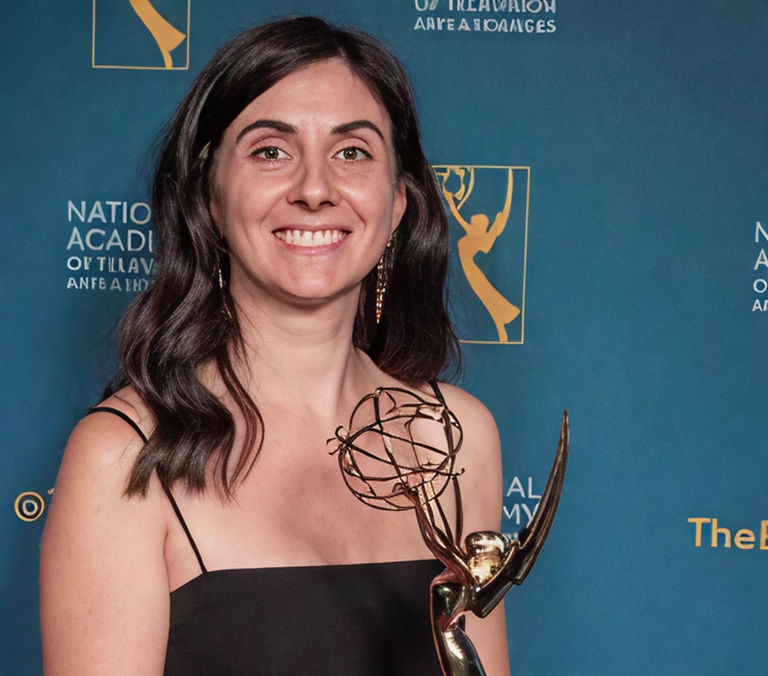
Ilaria Polsonetti  

Ilaria Polsonetti

Editor

 
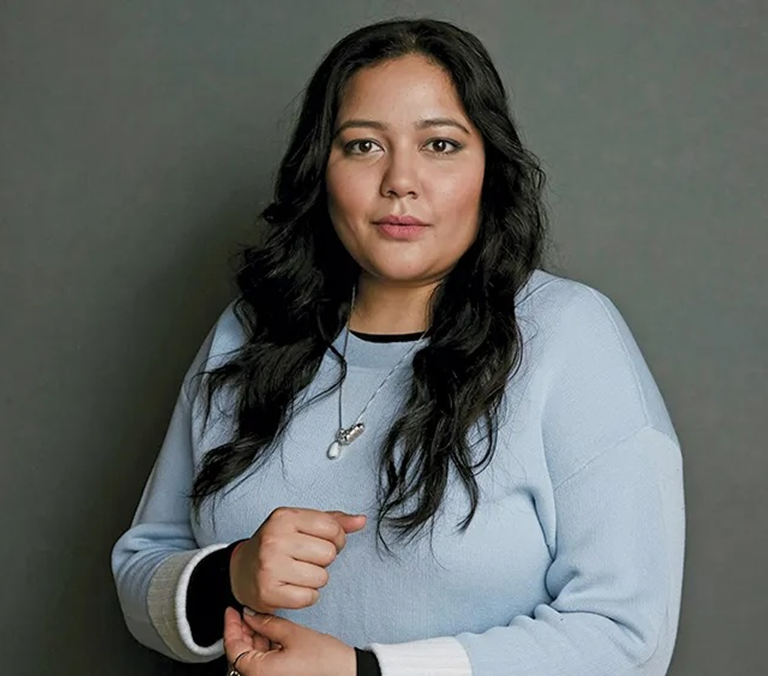
Shivani Rawat  

Shivani Rawat

Producer | Writer

 
More  

Please note: Equipment, curriculum, and projects are subject to change and may vary depending on location. Students should consult the most recently published campus catalog for the most up-to-date curriculum.
8-Week Television Writing Workshop

8-Week Television Writing Workshop

Learn How To Write a Script for TV

During NYFA’s 8-Week TV Writing Workshop, students are introduced to writing for television, learning the fundamental techniques of this exciting craft. Similar to our 12-Week Television Writing program, students within the eight-week, full-time program spend a majority of time writing, focusing on essential screenwriting concepts such as story, structure, character, conflict, story engines, and dialogue.

Studying under the supervision and mentorship of professional screenwriters, our screenwriting students work in a focused environment, which helps aspiring writers learn how to create a solid structure for their writing and meet creative deadlines. This is a full-time, in-person program.

Workshop DescriptionWorkshop Name: 8-Week Television Writing Workshop

In this immersive workshop, students get hands-on experience in screenwriting, learning the development techniques of the writer’s room. Throughout the program, students work towards writing a pilot script, studying existing shows and their format and structure. Students will come up with original episode ideas, using their concepts to develop an idea for an original series, then, a series proposal.

As a final project, students will write the pilot script based on their proposal. Throughout the program, students will engage in discussion and critique of their writing, as well as their classmates’ writing. Students able to obtain a discounted download code of Final Draft software from the Bursar.

NYFA also offers the possibility to learn screenwriting from anywhere through a variety of online screenwriting workshops.

To learn more about NYFA’s screenwriting workshops, see NYFA’s Course Catalog or request more information.

Read More

8-Week Television Writing Workshop

Location Program Start Date and End Date Tuition
Los Angeles

September 14, 2026 – November 14, 2026

Tuition and Equipment & Technology Fee

Tuition:$4,811

Departmental Program Fee:$20

Screenwriting
School Alumni

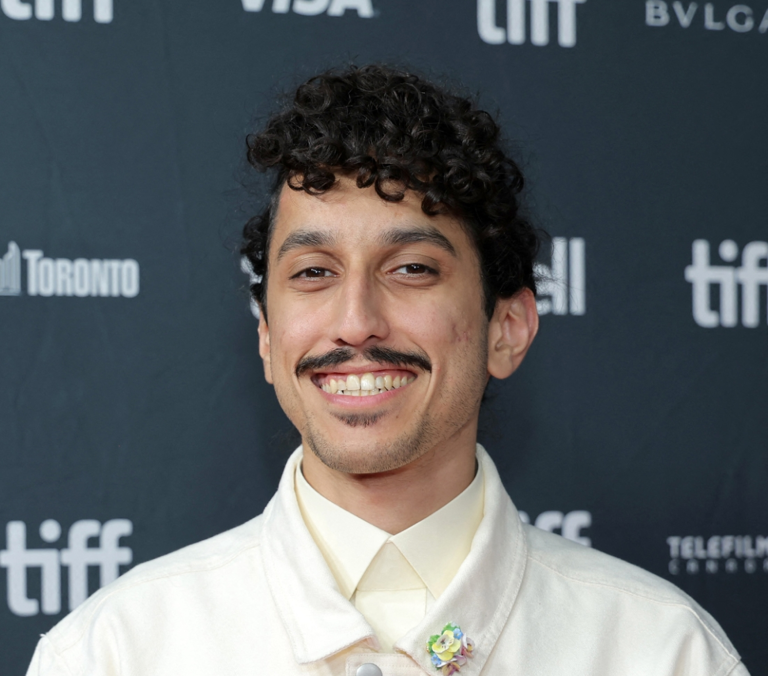
Meshal Al Jaser  

Meshal Al Jaser

Writer | Actor | Director

 
More  

Please note: Equipment, curriculum, and projects are subject to change and may vary depending on location. Students should consult the most recently published campus catalog for the most up-to-date curriculum.

8-Week Broadcast Journalism Workshop

8-Week Broadcast Journalism Workshop

Build Digital Journalism and Broadcasting Skills

NYFA’s 8-Week Broadcast Journalism Workshop trains students in the fundamental principles of contemporary broadcast journalism, cross-platform nonfiction video, and digital production, teaching them how to apply narrative storytelling to the news.

During their time at NYFA, students work in the classroom and on-location, learning to produce their own news stories through a range of hands-on projects.

Read More

Workshop DescriptionWorkshop Name: 8-Week Broadcast Journalism Workshop

In the 8-Week Broadcast Journalism Workshop, students get an introduction to digital journalism, learning to produce their own news projects from start-to-finish. Throughout the program, students gain practical technical and creative skills through hands-on training, shooting their news segments with single-camera set-ups and editing using industry-standard software. To learn how to fill the role of MMJ (multimedia journalist) in a fast-paced, professional environment, students tackle a range of responsibilities, such as identifying and making arrangements for their subjects, choosing and securing locations, preparing equipment, arranging the preparation and setup of the locations, and making final technical checks.

In addition to completing newsworthy projects for their reel, students also learn vital transferable skills in communication, research, narrative storytelling, personal branding, and writing, teaching them how to effectively present their work and build an on-camera persona. The workshop is a great fit for a student with an interest in digital journalism or a professional looking to enhance their skills in multimedia, social media, and content creation.

NYFA also offers the possibility to learn broadcast journalism from anywhere through a variety of online broadcast journalism workshops.

To learn more about NYFA’s workshops, see NYFA’s Course Catalog or request more information.

Read More

Class Details

Broadcast Journalism
Students learn how to create elements that are essential to the production of digital news programs: the VO (Voice Over), the news package, the interview profile and the long-form story. They also are taught how to create a career-building resume reel. Later students gain experience working with their own smartphone cameras, using third-party software to give their phones the type of video controls found on HD cameras. Smartphone cameras are far less intrusive than traditional video cameras, and are increasingly being used even in legacy media production. An understanding of, and an ability to create these elements are central to success as a digital journalist. Students learn some of the most basic concepts of journalism, as in the distinction between those who actively report the news (reporters, producers, cameramen/women), and those who comment and analyze news events (columnists, bloggers, citizen journalists). They come to understand the difference between “news” and “opinion.” Emphasis is placed on becoming Multimedia Journalists (MMJs), who can produce, report, shoot, write, narrate and edit their own stories, and how these skills are applicable in a wide range of news genres including national news, local news, sports news, lifestyle and fashion news, technology news and more. Through practice, students come to appreciate powerful visual storytelling, using the camera as a reporting tool, and appreciating the power of composition and motion. Students also learn to write clear evocative copy, which reflects a deliberate, and easy-to-follow story structure, but is also succinct. Students are prepared for the job market through an overview of the evolution and changing nature of news. The concept of digital journalism is explored, with special attention paid to the convergence of journalism and technology, the tools used by digital journalists, the potential and limits of various distribution platforms, and the digital journalist’s relationship to news organizations. Central to all these efforts is an emphasis on journalistic ethics and the production of balanced, evidence-based stories.

Hands-on Camera
In this course, students learn firsthand the skills required to be a successful digital camera operator. Students immediately start training on a camera that incorporates many of the features associated with high-end high definition (HD) cameras, but its relative ease of use makes it understandable to novice digital journalists. Students get their first hands-on experience with a camera on the second day of classes. This allows students to begin shooting footage almost immediately, putting into practice lessons learned in Broadcast Journalism class. Instructors emphasize a holistic approach to video making, stressing that shooting entails a number of related skills. Students are also taught basic sound recording, including choice of the right type of microphone and simultaneous recording of multiple audio tracks. All of this allows students to better understand both the theory and practice of digital video making. 

Digital Editing
Editing is one of the most fundamental skills in a content creator’s toolbox. This course seeks to encourage students to analyze media, and to discuss it on an intellectual level by understanding and using the editing tools most commonly employed in broadcast news editing, digital journalism and documentaries. While the class will place emphasis on student’s understanding and use of editing software, students will also discuss editing theory and techniques, so that they may understand not only the “how-to” of editing but also the “why.” Topics considered include: understanding the impact of editing, the ability to organize media efficiently for edits (“workflow”), the ability to select useful sound bites quickly, understanding how to structure primary storylines in post-production, the selection of complimentary b-roll footage, how to become comfortable using industry standard digital editing software, the ability to edit quickly and work within tight deadlines, and methods to export media to the web as well as other destinations. The final element of the course is editing a resume reel that best demonstrates the student’s talents, abilities and potential. 

Production Workshop
Working under the supervision of New York Film Academy staff members, students have the opportunity to test their production skills in the classroom prior to going out to shoot, and then edit, field assignments. The goal is for students to gain confidence in their abilities, while at the same time confronting and correcting the basic mistakes common to beginners. The Production Workshop classes take place within the context of Broadcast Journalism assignments.

Read More

TIMES AND BREAKDOWN BY WEEK

This workshop has full-time hours, and is held during the day at our NYFA New York campus.

PROGRAM AND SOFTWARE REQUIREMENTS

This course requires the following software and equipment:

  • External hard drive (generally costs $30-$200)
  • An SD Card

Please note: Equipment, curriculum, and projects are subject to change and may vary depending on location. Students should consult the most recently published campus catalog for the most up-to-date curriculum.

8-Week VR Game Design Workshop

8-Week VR Game Design Workshop

Learn Virtual Reality Game Design at NYFA

In NYFA’s VR Game Design Workshop, students learn game design techniques applied in the VR space. To attend, students are required to complete NYFA’s Narrative VR program or submit a portfolio demonstrating equivalent skills in 3D Modeling, 3D Animation and/or development in Unity.

Workshop DescriptionWorkshop Name: 8-Week VR Game Design Workshop

In NYFA’s VR Game Design Workshop, students practice with the tools used to create interactive virtual experiences — ultimately designing their own interactive VR environment. They will come away with the practical skills to develop prototype-level VR games/experiences in the Unity game engine.

Students in the VR game design workshop will create a single-level, playable VR “game” demo, using the HTC Vive headset and Unity 3D. Utilizing the principles of game design, students design VR experiences that aim to give the player a sense of agency. This can be approached from an authorial, film-like narrative vision, or as a reward-driven game mechanic that incentivizes players to reach a predetermined objective. In either case, students are encouraged to put themselves inside the virtual world from the player’s (or audience’s) point of view, and use the foundational design principles of virtual reality to enhance the sense of immersion and willing suspension of disbelief — often referred to as “presence” by VR designer.

To learn more about NYFA’s game design workshops, see NYFA’s Course Catalog or request more information.

Read More

Game Design
School Alumni

Daniela Lobo Dias  

Daniela Lobo Dias

Visual Effects Artist | Director | Writer

 
More  

Please note: Equipment, curriculum, and projects are subject to change and may vary depending on location. Students should consult the most recently published campus catalog for the most up-to-date curriculum.

8-Week Cinematic VR Workshop

8-Week Cinematic VR Workshop

Cinematic VR Course at NYFA

In the 8-Week Cinematic VR Workshop, aspiring visual artists establish storytelling techniques to design and direct VR content. Designed for students who want a hands-on introduction to virtual reality production, NYFA’s Cinematic VR workshop provides an in-depth introduction to topics including screenwriting for VR, directing the actors and audience in 360, multi-lens cinematography, production design, VR post production, spatialized audio recording and mixing, immersive design, and user experience design.

Workshop DescriptionWorkshop Name: 8-Week Cinematic VR Workshop

In this hands-on workshop, students learn fundamental VR concepts and create their own virtual reality content. Throughout the program, students study early VR content, live theater, amusement parks, video games, and other interactive/immersive experiences, then apply the techniques to their original projects. Students are also introduced to industry tools and software, working with 360 camera rigs, lighting, spatialized sound, and multiple post-production platforms. They also learn to direct actors and voice-over talent.

To support the core narrative VR curriculum, students gather industry insights from demos by VR tech innovators, as well as guest lectures by content producers across retail, documentary, music, games, filmmaking, and beyond. No prior experience is required to enroll. Projects, equipment, and curriculum are subject to change.

Students should come equipped with a 1TB external drive to save their work, and are invited to bring their own headset for viewing content. All other equipment is provided.

NYFA also offers the possibility to learn filmmaking from anywhere through a variety of online filmmaking workshops.

To learn more about this program, refer to NYFA’s Course Catalog or request more information.

Read More

Class Details

Immersive Design
This course is designed to teach each student the necessary skills to safely and functionally prepare, shoot and produce 360° video content. Immersive Design is aimed at instructing students best practices for effective immersive design to avoid simulator sickness and achieve creative goals in direction throughout a spherical video. In addition to practical application and review of case studies in class, students will be required to complete multiple 360° video projects to apply new 600 techniques and to demonstrate their mastery of topics presented. A sizeable portion of the class will focus on techniques for pre-visualization and prototyping.

Director’s Craft
This course is the backbone of the virtual reality (VR) curriculum and introduces students to the language and craft of film directing as it applies to virtual reality filming in 360°. Director’s Craft prepares students for the VR course projects and is the venue for screening and critiquing their work throughout the course. Instructors challenge students to find the most effective and expressive visual means to tell their stories in a virtual reality space. 

Tech Essentials
In Tech Essentials students take hands-on classes learning two different VR motion picture camera systems. Students learn how to operate the cameras and perform test shoots to learn about: 360° views and dynamics, exposure, lens theory, and depth of field. Filming 360 degrees presents particular problems when it comes to lighting because the camera sees everything. As a result, while teaching the fundamentals of traditional lighting, this course focuses on guerilla lighting techniques — the use of available light and practicals (lamps and ceiling fixtures). Students learn how to support the mood of the story with lighting and experiment with expressive lighting styles.

Screenwriting
Telling a story in the VR world is a very different journey than telling a story in the 2D medium and requires precise techniques to guide the viewer through the experience. This course is designed to help students develop their scripts with this new technique in mind. The fundamentals of visual storytelling are focused upon as they relate to VR. Students receive constructive analysis and support as they take a story from initial idea, through treatment, step-outline, rough draft, and finally, a shooting script. UX UX is the study of user satisfaction with an experience. In the UX classes the students will learn best practices and industry standards aimed at improving the usability, accessibility, and pleasure provided in the interaction with the experience, thus creating more accessible and successful work. UX includes human centric design using social and biological sciences to optimize interactions between people and technology.

UX
UX is the study of user satisfaction with an experience. In the UX classes the students will learn best practices and industry standards aimed at improving the usability, accessibility, and pleasure provided in the interaction with the experience, thus creating more accessible and successful work. UX includes human centric design using social and biological sciences to optimize interactions between people and technology.

Post Production
Editing is an art unto itself. Regardless of the editing system a filmmaker uses, it is the editor’s ability to work with the shots and tell a story that makes all the difference. Students learn how to use various different digital editing systems to stitch their projects together. Students are taught the fundamental concepts of 360° film editing, both practical and aesthetic. Classes consist of lectures that combine technical information and demonstration. Each student edits his or her own films and can supplement classes with individual consultations at the editing station.

Production Workshop
Production Workshop is designed to demystify the craft of virtual reality storytelling. In this hands-on class, students stage and shoot exercises under the supervision of the directing and cinematography instructors. The guiding idea is that once students can articulate the objective of a given scene, the necessary craft and techniques will follow. The technical aspects of filmmaking are seen as tools to realize the story. Through the in-class exercises, the rules and tools of mise-en-scene and continuity are defined and practiced, and are applied to the use of lenses, lighting, performance, and editing. 

Sound Design
This is a comprehensive course that details the process of recording ambisonic audio on set and posting fully spatialized sound. It provides concepts, technical information, and hands-on demonstration. Students are introduced to various types of recording devices and taught when to use them. The course challenges the students to use sound as an additional tool for storytelling, and takes them through the complete recording process. 

Read More

TIMES AND BREAKDOWN BY WEEK

These are intensive, full-time Monday through Friday programs that typically run in three x 3hr sessions from 9 AM-6:30 PM. There are breaks in between sessions. Depending on the workshop, there may be shoots held on the weekend. Students will need to anticipate extra time outside of class to complete assignments, projects, and exercises. Daily class times may vary. Request information to learn more.

PROGRAM AND SOFTWARE REQUIREMENTS

This course requires the following software and equipment:

  • External hard drive (costs $30-$200)
  • An SD Card

Please note: Equipment, curriculum, and projects are subject to change and may vary depending on location. Students should consult the most recently published campus catalog for the most up-to-date curriculum.

6-Week Filmmaking Workshop

6-Week Filmmaking Workshop

Hands-On Film Workshop at NYFA

The 6-Week Filmmaking Workshop provides students with a strong foundation in filmmaking and directing. During the film workshop, students go through every step of the filmmaking production process, making it an ideal program for new and aspiring filmmakers.

Workshop DescriptionWorkshop Name: 6-Week Filmmaking Workshop

The 6-Week Filmmaking Workshop combines rigorous coursework with hands-on film production experience. From the very beginning of the program, students work and study as professionals, using technology and equipment provided by NYFA to learn the essentials of filmmaking. The coursework and projects within the workshop cover directing, writing, cinematography, production, sound recording, and editing.


Students apply the knowledge gained throughout the workshop to make three films. After completing each film, students screen original work and review the work of their peers, participating in an in-person critique with their instructor.

At the end of the film workshop, students can invite family and friends to an exclusive screening. The graduates of the 6-Week Filmmaking Workshop often enroll in NYFA’s more advanced programs to continue their film studies.

NYFA also offers the possibility to learn filmmaking from anywhere through a variety of online filmmaking workshops.

To learn more, see NYFA’s Course Catalog or request more information.

Read More

Class Details

Director’s Craft

This course introduces students to the language and practice of filmmaking. Students learn to create storyboards, shot lists, and floor plans while being challenged to think of composition, visual realization of story, aesthetics, and camera movement. Students also gain firsthand experience working with a budget and a schedule. 

Cinematography

In this course, students undergo intensive training in the use of the high-definition digital video camera and its accessories. Through hands-on workshops and short camera tests, students learn about lenses, focal lengths, exposure, shutter speed, and frame rates. EDITING In this course, students are introduced to the fundamental concepts of editing, both practical and aesthetic. Students apply the information learned in class to their individual film projects. Students 630 will learn editing terminology, the use of digital editing systems, cutting styles, and the process of editing from dailies to final cut. The course also discusses continuous editing, editing with music, including sound as a storytelling device, marking beats, and aligning pictures. 

Screenwriting

This course is designed to help students develop their scripts for their final films. Students examine story structure, dramatic arc, three-act structure, creating characters, text and subtext, and scriptwriting style.

Production Workshop

In the Production Workshop, students are introduced to the technical aspects of filmmaking as they are split into shooting crews of 3-4 people to shoot exercises in the field. These workshops are designed to show students the basic storytelling tools for filmmaking: staging, composition, lenses, lighting, camera angles, shot sizes, rules, and tools of continuity.

Sound Recording
This is a comprehensive course that details the process of sound design by providing concepts, technical information, and hands-on demonstration. Students are instructed on how to build a soundtrack for their final films.

Read More

TIMES AND BREAKDOWN BY WEEK

These are intensive, full-time Monday through Friday programs that typically run in three x 3hr sessions from 9 AM-6:30 PM. There are breaks in between sessions. Depending on the workshop, there may be shoots held on the weekend. Students will need to anticipate extra time outside of class to complete assignments, projects, and exercises. Daily class times may vary. Request information to learn more.

PROGRAM AND SOFTWARE REQUIREMENTS

This course requires the following software and equipment:

  • External hard drive (generally costs $30-$200)
  • An SD Card

6-Week Filmmaking Workshop

Location Program Start Date and End Date Tuition
New York City

June 1, 2026 – July 11, 2026

Tuition and Equipment & Technology Fee

Tuition:$4,963

Departmental Program Fee:$901

Los Angeles

June 1, 2026 – July 11, 2026

Tuition and Equipment & Technology Fee

Tuition:$4,963

Departmental Program Fee:$901

Florence, Italy

June 28, 2026 – August 8, 2026

May 16, 2027 – June 26, 2027

June 27, 2027 – August 7, 2027

Tuition and Equipment & Technology Fee

Tuition:$4,963

Departmental Program Fee:$901

Film School
Alumni

Manuel Garcia-Rulfo  

Manuel Garcia-Rulfo

Actor

 
Tracy Oliver  

Tracy Oliver

Filmmaker

 
Lucy Luna  

Lucy Luna

Screenwriter | Director

 
More  

Please note: Equipment, curriculum, and projects are subject to change and may vary depending on location. Students should consult the most recently published campus catalog for the most up-to-date curriculum.

6-Week Holiday Filmmaking Workshop

6-Week Holiday Filmmaking Workshop

Hands-On Film Workshops at NYFA

The 6-Week Holiday Filmmaking Workshop brings students through the fundamentals of film, helping them learn the creative and technical skills they need to be a confident director. The program is a great fit for new filmmakers, with classes and projects specifically designed to understand the art and technique of visual storytelling.

Workshop DescriptionWorkshop Name: 6-Week Special Holiday Filmmaking Workshop

This workshop follows the six-week filmmaking workshop curriculum, and during the program, students write, direct, and digitally edit three short films. The 6-Week Special Holiday Filmmaking Workshop runs from early December until late January with a two-week holiday break in the middle. Many students use the two-week break to work on the preproduction of their final film. This workshop is offered at a discounted rate.

Throughout the course, students may get one-on-one consultations from instructors, and will receive constructive critique from the other students in the program. The workshop ends with a screening of their final film, where students can invite family and friends to view their work. Many graduates of the 6-Week Special Holiday Filmmaking Workshop often continue their studies by enrolling in our 1-Year Filmmaking Program.

NYFA also offers the possibility to learn filmmaking from anywhere through a variety of online filmmaking workshops.

To learn more, see NYFA’s Course Catalog or request more information.

Read More

Class Details

Directing
The core of the Holiday Program, this Area of Study introduces students to all major aspects of filmmaking. Students will learn to concepts to help achieve maximum psychological impact by studying the director’s decisions in camera placement, blocking, staging, and visual image design. Students will be challenged to think comprehensively about their film projects in terms of the economic realities of low budget student production. Using their own film projects as prototypes, students will learn to break down their film scripts in terms of story and emotional beats, shot selection and composition, and budgeting and scheduling. This Area of Study will be the forum for preparing, screening and critiquing two short films.

Hands-On Camera
In Hands-On Camera, students undergo intensive training in the use of HD digital video cameras and their accessories. Through hands-on workshops and tests, they will also learn fundamental lighting techniques. As they progress through the workshop, they learn how to support the mood of the story with lighting choices and they experiment with expressive lighting styles. 

Hands-On Editing
Editing presents students with multiple aesthetic approaches to editing film and video. Students will learn how to apply concepts such as temporal continuity and spatial continuity, as well as less traditional discontinuous editing techniques to their work. The Area of Study will also discuss the psychological and emotional effects of editing on the overall story. Additionally, students will learn to operate an editing software, which they will use to edit their own films. Classes are supplemented with individual consultations at the computer. 

Screenwriting
This Area of Study introduces the established tools and language used in writing a film project. Students will take a story from the initial idea to script with an emphasis on the fundamentals of visual storytelling. The intersection of story structure, theme, character, tension, and conflict is examined through detailed scene analysis. The in-class discussion provides students with constructive analysis and support. Students are encouraged to tell their stories visually, rather than relying on dialogue.

Advanced Directing
A continuation of directing, students expand upon lessons already learned with a focus on the preproduction of their Non-Sync Final Film projects. Additionally, the basic concepts of production sound will be discussed, explored, and practiced in the course.

Advanced Screenwriting
In Advanced Writing, students learn to incorporate what they’ve learned about visual storytelling for a non-sync film. Scripts for the Final Film will be written, and revised in a workshop environment.

Hands-On Advanced Editing
Advanced Editing prepares students for the challenges inherent in cutting a more complex narrative film with multiple soundtracks. Additionally, the basic concepts of post-production sound will be discussed, explored, and practiced in the course.

Read More

TIMES AND BREAKDOWN BY WEEK

These are intensive, full-time Monday through Friday programs that typically run in three x 3hr sessions from 9 AM-6:30 PM. There are breaks in between sessions. Depending on the workshop, there may be shoots held on the weekend. Students will need to anticipate extra time outside of class to complete assignments, projects, and exercises. Daily class times may vary. Request information to learn more.

PROGRAM AND SOFTWARE REQUIREMENTS

This course requires the following software and equipment:

  • External hard drive (costs $30-$200)
  • An SD Card

6-Week Holiday Filmmaking Workshop

Location Program Start Date and End Date Tuition
New York City

December 7, 2026 – January 30, 2027

Tuition and Equipment & Technology Fee

Tuition:$2,598

Departmental Program Fee:$604

Los Angeles

December 7, 2026 – January 30, 2027

Tuition and Equipment & Technology Fee

Tuition:$2,598

Departmental Program Fee:$604

During this workshop, there is a two-week holiday break. 

Film School
Alumni

Manuel Garcia-Rulfo  

Manuel Garcia-Rulfo

Actor

 
Tracy Oliver  

Tracy Oliver

Filmmaker

 
Lucy Luna  

Lucy Luna

Screenwriter | Director

 
More  

Please note: Equipment, curriculum, and projects are subject to change and may vary depending on location. Students should consult the most recently published campus catalog for the most up-to-date curriculum.