12-Week Evening Broadcast Journalism Workshop

12-Week Evening Broadcast Journalism Workshop

Learn How To be A Multimedia Journalist at NYFA

In the 12-Week Evening Broadcast Journalism Workshop, students learn how to apply narrative storytelling to the news. Students learn in the classroom and on-location, building skills in contemporary journalism, digital production, and cross-platform nonfiction video through a range of interesting projects.

Workshop DescriptionWorkshop Name: 12-Week Evening Broadcast Journalism Workshop

The 12-Week Evening Broadcast Journalism Workshop teaches students the essentials of broadcast journalism. Throughout the program, students work as MMJs (multimedia journalists) in a fast-paced, creative environment, creating their own news projects using single-camera set-ups and industry standard software. Over the course of the program, students complete a range of digital news segments and reports, gradually building a competitive reel of their best work and establishing an on-air persona.

As students master fundamental narrative storytelling concepts, they also develop valuable skills in communication, research, presentation, social media, personal branding, and writing. Students graduate from the workshop with the ability to effectively pitch and produce news segments and video content, grow their audience, and successfully tell memorable stories across a variety of mediums.

NYFA also offers the possibility to learn broadcast journalism from anywhere through a variety of online broadcast journalism workshops.

To learn more about NYFA’s workshops, see NYFA’s Course Catalog or request more information.

Read More

Class Details

Broadcast Journalism
Students learn how to create elements that are essential to the production of digital news programs: the VO (Voice Over), the news package, the interview profile and the long-form story. They also are taught how to create a career-building resume reel. Later students gain experience working with their own smartphone cameras, using third-party software to give their phones the type of video controls found on HD cameras. Smartphone cameras are far less intrusive than traditional video cameras, and are increasingly being used even in legacy media production. An understanding of, and an ability to create these elements are central to success as a digital journalist. Students learn some of the most basic concepts of journalism, as in the distinction between those who actively report the news (reporters, producers, cameramen/women), and those who comment and analyze news events (columnists, bloggers, citizen journalists). They come to understand the difference between “news” and “opinion.” Emphasis is placed on becoming Multimedia Journalists (MMJs), who can produce, report, shoot, write, narrate and edit their own stories, and how these skills are applicable in a wide range of news genres including national news, local news, sports news, lifestyle and fashion news, technology news and more. Through practice, students come to appreciate powerful visual storytelling, using the camera as a reporting tool, and appreciating the power of composition and motion. Students also learn to write clear evocative copy, which reflects a deliberate, and easy-to-follow story structure, but is also succinct. Students are prepared for the job market through an overview of the evolution and changing nature of news. The concept of digital journalism is explored, with special attention paid to the convergence of journalism and technology, the tools used by digital journalists, the potential and limits of various distribution platforms, and the digital journalist’s relationship to news organizations. Central to all these efforts is an emphasis on journalistic ethics and the production of balanced, evidence-based stories.


Hands-on Camera
In this course, students learn firsthand the skills required to be a successful digital camera operator. Students immediately start training on a camera that incorporates many of the features associated with high-end high definition (HD) cameras, but its relative ease of use makes it understandable to novice digital journalists. Students get their first hands-on experience with a camera on the second day of classes. This allows students to begin shooting footage almost immediately, putting into practice lessons learned in Broadcast Journalism class. Instructors emphasize a holistic approach to video making, stressing that shooting entails a number of related skills. Students are also taught basic sound recording, including choice of the right type of microphone and simultaneous recording of multiple audio tracks. All of this allows students to better understand both the theory and practice of digital video making. 

Digital Editing
Editing is one of the most fundamental skills in a content creator’s toolbox. This course seeks to encourage students to analyze media, and to discuss it on an intellectual level by understanding and using the editing tools most commonly employed in broadcast news editing, digital journalism and documentaries. While the class will place emphasis on student’s understanding and use of editing software, students will also discuss editing theory and techniques, so that they may understand not only the “how-to” of editing but also the “why.” Topics considered include: understanding the impact of editing, the ability to organize media efficiently for edits (“workflow”), the ability to select useful sound bites quickly, understanding how to structure primary storylines in post-production, the selection of complimentary b-roll footage, how to become comfortable using industry standard digital editing software, the ability to edit quickly and work within tight deadlines, and methods to export media to the web as well as other destinations. The final element of the course is editing a resume reel that best demonstrates the student’s talents, abilities and potential. 

Production Workshop
Working under the supervision of New York Film Academy staff members, students have the opportunity to test their production skills in the classroom prior to going out to shoot, and then edit, field assignments. The goal is for students to gain confidence in their abilities, while at the same time confronting and correcting the basic mistakes common to beginners. The Production Workshop classes take place within the context of Broadcast Journalism assignments.

Read More

TIMES AND BREAKDOWN BY WEEK

The part-time course meets three evenings a week from 7 to 9:30 p.m. EST. Students’ independent projects are shot on the weekends. In addition, some classes may be held on Saturdays.

PROGRAM AND SOFTWARE REQUIREMENTS

This course requires the following software and equipment:

  • External hard drive (generally costs $30-$200)
  • An SD Card

Broadcast Journalism
School Alumni

Cameron Costa  

Cameron Costa

 
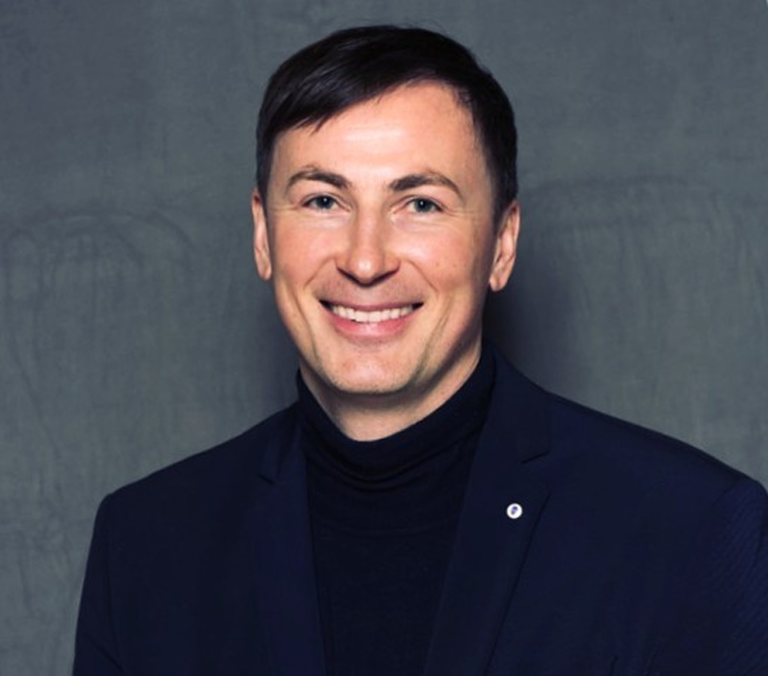
Sergei Ivonin  

Sergei Ivonin

Producer

 
More  

Please note: Equipment, curriculum, and projects are subject to change and may vary depending on location. Students should consult the most recently published campus catalog for the most up-to-date curriculum.
12-Week Game Coding Workshop

12-Week Game Coding Workshop

Learn Game Coding at NYFA

Whether students are looking to improve upon existing skills or are new to the world of coding, the 12-Week Intensive Game Design Workshop aims to impart creative and technical skills and knowledge in game development.

Students learn to use relevant game design technologies, which may include Github, Adobe Creative Suite, Maya, Bitbucket, HTML, and more.

Read More

Workshop DescriptionWorkshop Name: 12-Week Game Coding Workshop

The Intensive Game Coding Workshop meets Monday through Friday, from 10:00 a.m. to 6:00 p.m. for 12 weeks. Students studying in NYFA’s Game Design School learn from a faculty of working, expert game industry programmers who mentor each student in a hands-on and immersive studio environment.

The workshop focuses on learning the Unity platform, Unreal Engine, and C# scripting language. These technologies are:

  • The most powerful and accessible game engine available
  • Multi-platform, allowing students to build and easily tailor their game to different platforms, deploying at a click for major console, mobile, and desktop platforms
  • Ubiquitous in the game industry

To learn more about NYFA’s game design workshops, see NYFA’s Course Catalog or request more information.

Read More

Game School Alumni

Daniela Lobo Dias  

Daniela Lobo Dias

Visual Effects Artist | Director | Writer

 
More  

Please note: Equipment, curriculum, and projects are subject to change and may vary depending on location. Students should consult the most recently published campus catalog for the most up-to-date curriculum.
12-Week Evening Adobe After Effects Workshop

12-Week Evening Adobe After Effects Workshop

Learn How to Use Adobe After Effects at NYFA

​​In NYFA’s part-time 12-Week Evening After Effects workshop, students learn the principles and techniques of visual effects and motion graphics. Through a combination of lectures, demonstrations, and in-class, hands-on exercises, students rapidly build skills in Adobe After Effects and visual storytelling. This workshop is held in the evenings.

Workshop DescriptionWorkshop Name: 12-Week Evening Adobe After Effects Workshop

The 12-Week Evening After Effects workshop is designed to teach students how to use professional editing tools to shape dynamic stories. In addition to gaining hands-on experience with industry-standard software like Adobe After Effects, students also study Design Theory, Animating Titles, 2D Animation, 3D Animation, Layers, Keygraming, Effects, and green screen. Students also get an introduction to Adobe Photoshop and Adobe Illustrator.

To learn more about NYFA’s workshops, see NYFA’s Course Catalogs or request more information.

NYFA also offers the possibility to learn digital editing from anywhere through a variety of online digital editing workshops.


Read More

CLASS DETAILS

Orientation

This introductory course is designed to help students navigate the campus, including the edit lab, and understand program flow and expectations.

After Effects

This is the foundational course of the program. Students are given in-depth hands-on instruction in Adobe After Effects. They build their skillset and knowledge through lectures and creating four projects. Each week of class is centered on the project to be screened at the end of the week or the beginning of the following week. 

Theory

This course is designed to support the technical classes of the workshop. Students learn about design elements such as shape and typography. Additionally, they learn things such as mood, rhythm, and storyboarding. 

Screen & Critique

In this course, students screen their work for instructor and classmate feedback upon completion of each film assignment. Constructive criticism is based on the student’s application of technical and aesthetic principles learned during workshop/lecture hours, and on how well those techniques were used to achieve the student’s goal. 

Photoshop Tools 

In this course, students learn the major functions of Adobe Photoshop – an image, text, and photo manipulation software. Students integrate their knowledge of Photoshop into After Effects.

Read More

TIMES AND BREAKDOWN BY WEEK

This part-time workshop is held Monday, Tuesday, and Thursday evenings. Some classes may be held on Wednesday.

  • New York campus: 7 PM to 9:30 PM EST
  • Los Angeles campus: 7:40 PM to 10:20 PM PST

Students will need to anticipate extra time outside of class to complete assignments, projects, and exercises. Request information to learn more.

PROGRAM AND SOFTWARE REQUIREMENTS

This course requires the following software and equipment:

  • External hard drive (generally costs $30-$200)
  • An SD Card

NYFA
Alumni

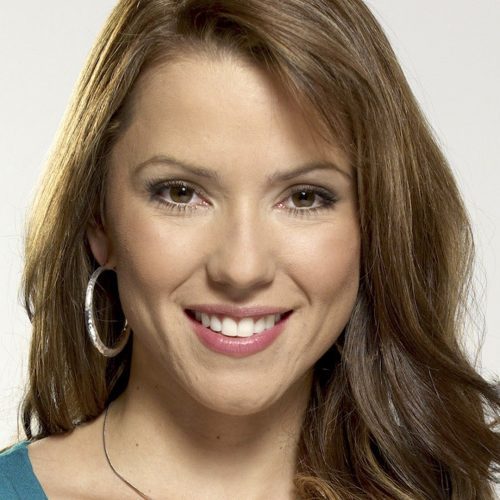
Valentina Rendón  

Valentina Rendón

Actor | Writer

 
Haik Gazarian  

Haik Gazarian

Writer | Director | Filmmaker

 
More  

Please note: Equipment, curriculum, and projects are subject to change and may vary depending on location. Students should consult the most recently published campus catalog for the most up-to-date curriculum.
12-Week Evening Avid Digital Editing Workshop

12-Week Evening Avid Digital Editing Workshop

Learn How to Use Avid Media Composer at NYFA

In this hands-on, part-time editing workshop in NYC and Los Angeles, students gain skills in the film industry’s leading editing software, Avid Media Composer, as they learn and practice the art of visual storytelling. Students also learn multiple theoretical editing approaches to help them rapidly gain experience in content, social media, and film editing. This workshop is held in the evenings.

Workshop DescriptionWorkshop Name: 12-Week Evening Avid Digital Editing Workshop

During the 12-Week Evening Digital Editing Workshop, students learn to edit with Avid Media Composer and study the theoretical and technical approaches to editing, rapidly building skills in making cuts, sound design, post-production workflow, basic effects, and media management. Throughout the course, students complete varying types of projects using footage provided in class.

NYFA also offers the possibility to learn digital editing from anywhere through a variety of online digital editing workshops.


Due to the extensive experience that students gain during the course, it is an excellent fit for professionals interested in acquiring new skills or students considering a longer-term education in post-production. The workshop’s final week is dedicated to building a demo reel of all the projects created during the class.

NYFA is an Avid Learning Partner, a distinction that only 75 institutions of higher learning in the country currently hold. Students may opt to take the Avid User Certification exams, leading to becoming an Avid Certified User.

To learn more about NYFA’s workshops, see NYFA’s Course Catalog or request more information.

Read More

CLASS DETAILS

Digital Editing Theory & Practice

This course presents students with multiple aesthetic approaches to editing film and video. Students will learn how to apply concepts such as temporal continuity and spatial continuity, as well as less traditional discontinuous editing techniques to their work. The course will also discuss the psychological and emotional effects of editing on the overall story. Additionally, students will learn to operate editing software. Advanced technical elements including sound design, color correction, and working with multiple media types will be investigated in depth. Classes are supplemented with individual consultations at the computer.

Read More

TIMES AND BREAKDOWN BY WEEK

This part-time workshop is held Monday, Tuesday, and Thursday evenings. Some classes may be held on Wednesday.

  • New York campus: 7 PM to 9:30 PM EST
  • Los Angeles campus: 7:40 PM to 10:20 PM PST

Students will need to anticipate extra time outside of class to complete assignments, projects, and exercises. Request information to learn more.

PROGRAM AND SOFTWARE REQUIREMENTS

This course requires the following software and equipment:

  • External hard drive (generally costs $30-$200)
  • An SD Card

12-Week Evening Avid Digital Editing Workshop

Location Program Start Date and End Date Tuition
New York City

September 14, 2026 – December 5, 2026

Tuition and Equipment & Technology Fee

Tuition:$4,313

Departmental Program Fee:$40

Program Duration: 12-Weeks

Los Angeles

September 14, 2026 – December 5, 2026

Tuition and Equipment & Technology Fee

Tuition:$4,313

Departmental Program Fee:$40

Program Duration: 12-Weeks

NYFA
Alumni

Valentina Rendón  

Valentina Rendón

Actor | Writer

 
Haik Gazarian  

Haik Gazarian

Writer | Director | Filmmaker

 
More  

Please note: Equipment, curriculum, and projects are subject to change and may vary depending on location. Students should consult the most recently published campus catalog for the most up-to-date curriculum.
8-Week Filmmaking Workshop

8-Week Filmmaking Workshop

Hands-On Filmmaking Workshop at NYFA

In NYFA’s 8-Week Filmmaking Workshop, students learn the essentials of film storytelling and content creation. The rigorous coursework and hands-on experience within the program help students rapidly gain experience in production.

Workshop DescriptionWorkshop Name: 8-Week Filmmaking Workshop

In the first four weeks of this intensive workshop, students study the building blocks and visual language and syntax of cinema, learning how to create a shot, sequence, and scene. Following the production and post-production of each short film, students screen their work for their classmates and instructors and engage in creative critiques and discussion. In the second half of the workshop, students learn to understand dialogue and subtext and how to work with actors. Students are introduced to sound recording and are challenged to add minimal dialogue as a storytelling tool.

At the end of the course, the final films are celebrated in a screening open to cast, crew, friends, and family. Many program graduates go on to enroll in NYFA’s 1-Year Filmmaking Certificate to continue perfecting their craft. This course is extremely hands-on, making it a great fit for students who are new to film and content creation or want to strengthen their current skill set.

NYFA also offers the possibility to learn filmmaking from anywhere through a variety of online filmmaking workshops.

To learn more about the 8-Week Filmmaking Workshop, please see NYFA’s Course Catalog or request more information.


Read More

Class Details

Directing
The core of the Eight Week Program, Directing introduces students to all major aspects of filmmaking. Students will learn concepts to help achieve maximum psychological impact by studying the director’s decisions in camera placement, blocking, staging, and visual image design. Students will be challenged to think comprehensively about their film projects in terms of the economic realities of low-budget student production. Using their own film projects as prototypes, students will learn to break down their film scripts in terms of story and emotional beats, shot selection and composition, and budgeting and scheduling. Directing will be the forum for preparing, screening, and critiquing three short films.

Hands-On Camera
In Hands-On Camera, students undergo intensive training in the use of HD digital video cameras and their accessories. Through hands-on workshops and film tests, they will also learn fundamental lighting techniques. As they progress through the workshop, they learn how to support the mood of the story with lighting choices and they experiment with expressive lighting styles.

Hands-On Editing
This Area of Study presents students with multiple aesthetic approaches to editing film and video. Students will learn how to apply concepts such as temporal continuity and spatial continuity, as well as less traditional discontinuous editing techniques to their work. Editing will also discuss the psychological and emotional effects of editing on the overall story. Additionally, students will have the opportunity to edit their own films. Classes are supplemented with individual consultations at the computer. 

Screenwriting
Writing introduces the established tools and language used in writing a film project. Students will take a story from the initial idea to script with an emphasis on the fundamentals of visual storytelling. The intersection of story structure, theme, character, tension, and conflict is examined through detailed scene analysis. The in-class discussion provides students with constructive analysis and support. Students are encouraged to tell their stories visually, rather than relying on dialogue.

Advanced Directing
A continuation of Directing. Students expand upon lessons already learned with a focus on the preproduction of their Final Film projects. Additionally, the basic concepts of production sound will be discussed, explored, and practiced in the course.

Hands-On Advanced Editing
Advanced Editing prepares students for the challenges inherent in cutting a more complex narrative film with dialogue and multiple soundtracks. Finally, students will participate in a session entitled “Building the Reel.” Additionally, the basic concepts of post-production sound will be discussed, explored, and practiced in the course.

Advanced Screenwriting
In Advanced Writing, students learn to incorporate what they’ve learned about visual storytelling with the art of crafting dialogue for a sync-sound film. Scripts for the Final Film will be written, and revised in a workshop environment.

Read More

TIMES AND BREAKDOWN BY WEEK

These are intensive, full-time Monday through Friday programs that typically run in three x 3hr sessions from 9 AM-6:30 PM. There are breaks in between sessions. Depending on the workshop, there may be shoots held on the weekend. Students will need to anticipate extra time outside of class to complete assignments, projects, and exercises. Daily class times may vary. Request information to learn more.

PROGRAM AND SOFTWARE REQUIREMENTS

This course requires the following software and equipment:

  • External hard drive (costs $30-$200)
  • An SD Card

8-Week Filmmaking Workshop

Location Program Start Date and End Date Tuition
New York City

May 11, 2026 – July 6, 2026

June 1, 2026 – July 25, 2026

August 3, 2026 – September 26, 2026

September 14, 2026 – November 14, 2026

Tuition and Equipment & Technology Fee

Tuition:$6,263

Departmental Program Fee:$1,204

Los Angeles

May 11, 2026 – July 6, 2026

June 1, 2026 – July 25, 2026

August 3, 2026 – September 26, 2026

September 14, 2026 – November 14, 2026

Tuition and Equipment & Technology Fee

Tuition:$6,263

Departmental Program Fee:$1,204

Florence, Italy

September 20, 2026 – November 14, 2026

February 14, 2027 – April 10, 2027

September 19, 2027 – November 13, 2027

Tuition and Equipment & Technology Fee

Tuition:$6,263

Departmental Program Fee:$1,204

Film School
Alumni

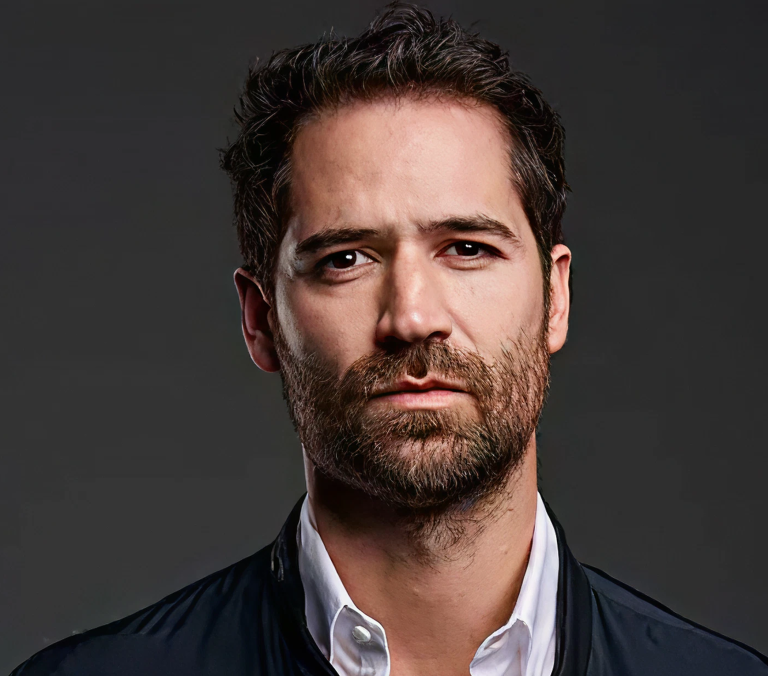
Manuel Garcia-Rulfo  

Manuel Garcia-Rulfo

Actor

 
Tracy Oliver  

Tracy Oliver

Filmmaker

 
Lucy Luna  

Lucy Luna

Screenwriter | Director

 
More  

Please note: Equipment, curriculum, and projects are subject to change and may vary depending on location. Students should consult the most recently published campus catalog for the most up-to-date curriculum.
8-Week Acting for Film Workshop

8-Week Acting for Film Workshop

Learn Introductory Film Acting at NYFA

The 8-Week Acting for Film Workshop is a full-time intensive workshop that takes students through the principles of acting for film and scene study. Students also gain experience in monologues, voice and movement, improvisation, and audition technique throughout the course, strengthening their skills in front of the camera.

Workshop DescriptionWorkshop Name: 8-Week Acting for Film Workshop

In this hands-on program, students create short, filmed scenes where they can flex their acting skills while learning the business of acting and film craft. Monologues, voice and movement, and improvisation serve as support classes. Students also learn cold reading techniques. Many workshop graduates enroll in longer, intensive acting NYFA acting programs, such as the 1-Year Acting for Film Certificate.

NYFA also offers the possibility to learn acting for film from anywhere through a variety of online acting for film workshops.

To learn more about the 8-week acting workshop, see NYFA’s Course Catalog or request more information.

Read More

CLASS DETAILS

Acting for Film 

Acting for Film provides students with an environment to get comfortable acting in front of the camera. The primary emphasis of the class is the practice of the subtlety and nuance of film acting including learning to adjust the performance for specific shot size, finding the arc of the character, and learning to maintain the integrity of the script while shooting out of sequence. Film set terminology and etiquette are also addressed. Students participate in Production Workshops with film students. In the Production Workshop, students experience on-set shoots in collaboration with student filmmakers. Students are introduced to a first-hand experience in set etiquette, shooting out of sequence, and understanding the actor’s role in a shoot. 

Scene Study

Students learn to analyze scripts and break them down into units or “beats”. They develop a grounding in establishing a character based on their own experiences and imagination. Students will incorporate all of the disparate disciplines learned in all other areas of study in an in-class, filmed scene presentation. Scheduled rehearsals average five hours per week. 

Acting Technique

Students will practice the tools necessary to hone and focus their acting skills when they do not have a scene partner on which to rely. Students will work on monologues from theatre and film sources that will help them learn how to command attention at auditions and professional performances. Exercises will be taped for in-class critique. 

Voice & Movement 

Students learn to access the natural voice through relaxation exercises designed to improve alignment and alleviate habitual tension. They will also experiment with different ways of becoming physically “present” in their work. Elements of various approaches will be taught to help the students find expression and freedom within the physical instrument.

Monologues

Students will work on assigned and chosen monologues to practice text analysis, and character creation skills learned thus far. Students will understand the structure and particular elements that make a successful monologue and prepare pieces to be audition ready. 

Special Topics

Students will have the opportunity to attend special lectures, which illuminate current topics in the Industry and Craft. These lectures will be announced in advance and rotate on a seasonal basis.

Read More

TIMES AND BREAKDOWN BY WEEK

These are intensive, full-time Monday through Friday programs that typically run in three x 3hr sessions from morning to evening. There are breaks in between sessions. Students will need to anticipate extra time outside of class to complete assignments, projects, and exercises. Daily class times may vary, and there may be occasional Saturday classes. Request information to learn more.

PROGRAM & SOFTWARE REQUIREMENTS

This course requires the following software and equipment:

  • External hard drive (generally costs $30-$200)
  • An SD Card

8-Week Acting for Film Workshop

Location Program Start Date and End Date Tuition
New York City

June 1, 2026 – July 25, 2026

September 14, 2026 – November 14, 2026

Tuition and Equipment & Technology Fee

Tuition:$6,518

Departmental Program Fee:$20

Los Angeles

June 1, 2026 – July 25, 2026

September 14, 2026 – November 14, 2026

Tuition and Equipment & Technology Fee

Tuition:$6,518

Departmental Program Fee:$20

Florence, Italy

September 20, 2026 – November 14, 2026

February 14, 2027 – April 10, 2027

September 19, 2027 – November 13, 2027

Tuition and Equipment & Technology Fee

Tuition:$6,518

Departmental Program Fee:$20

Please note: Equipment, curriculum, and projects are subject to change and may vary depending on location. Students should consult the most recently published campus catalog for the most up-to-date curriculum.
8-Week Online Filmmaking Workshop

8-Week Online Filmmaking Workshop

Learn How to Create Short Films

NYFA’s 8-Week Online Filmmaking workshop is designed to teach the process of creating short films. In this dynamic workshop, aspiring visual storytellers or experienced filmmakers who wish to brush up on their skills can learn how to produce their own original content. Students attend class remotely in an interactive and immersive environment, where they will learn from our seasoned faculty of accomplished filmmakers and directors.

Workshop Description Workshop Name: 8-Week Online Filmmaking

The 8-Week Online Filmmaking Workshop challenges students to produce five films over a period of two months and offers the best of all worlds: focused learning with working industry experts and the opportunity to make a fully-realized final film.

The program is divided between online classes, consultations, and the production by each student of a series of short films of increasing difficulty. Following the production and post-production of each film, students screen their work for their classmates and instructors, engaging in critique and discussion.

The first month of the program is dedicated to laying the foundational skills necessary for effective and compelling filmmaking. It is during this intensive period the first four film exercises are completed.

During the second month of the program, each student writes, directs, and edits a final film of up to ten minutes. Students have a pre-production period to cast, scout locations, plan their final films, and meet with instructors for a one-on-one consultation.

Prerequisites – Because all short-term filmmaking workshops start at the introductory level, no prerequisites are required, nor is any prior experience expected.

NYFA also offers the possibility to learn filmmaking from anywhere through a variety of online filmmaking workshops.

To learn more, request more information.

Class Details

Director’s Craft:
The core of this Filmmaking Program, Director’s Craft, introduces students to the fundamentals of directing a film. As directors, students will focus on the essentials of visual storytelling. They will learn concepts to help achieve maximum psychological impact by studying the director’s decisions in camera placement, blocking, staging, and visual image design.

Upon successful completion of this portion of the course, students will be able to create a floor plan, shot list, and shooting schedule. They will also be able to demonstrate a basic understanding of the components of designing a shot and creating and directing the dramatic beats in a script.

Cinematography:
This course is designed to introduce students to the art of cinematography, enabling film directors to make informed choices. In addition to introducing the students to the principles of photography as applied to the moving image, it will also cover fundamental lighting techniques. Students learn how to support the story with appropriate lighting choices. This includes the use of practical lighting sources such as lamps, flashlights, and china balls in a safe and creative manner.

Editing:
This area of study presents students with multiple aesthetic approaches to editing moving images. Students will learn how to apply concepts such as temporal continuity and spatial and emotional continuity. Not purely technical, this course will also discuss the psychological and emotional effects of editing on the overall story.

Additionally, students will learn to operate DaVinci Resolve editing software that they will use to edit their own exercises.

Open Edit is a time set aside for the students to edit their own footage under the virtual guidance of their Editing instructor.

Screenwriting:
The Screenwriting portion of the course adheres to the philosophy that good directing cannot occur without a well-written script. The course is designed to lay the foundational understanding of dramatic structure, which is essential to writing an engaging script.

Also included in the course is writing a treatment and logline, developing plot lines and screenplay format, creating believable characters with complete narrative arcs, and writing effective dialogue.

Sound Design:
This film course introduces the student to the world of sound design and sound recording, detailing the process of sound design by providing concepts, technical information, and equipment demonstration.

Read More

Times and Breakdown by Week

This workshop consists of two 2-hour classes per day Monday-Friday, for the first four weeks (80 total hours). In the remaining four weeks, there is one 2-hour class per day (40 total hours). Some days during the second month will be dedicated to self-guided preparation, shooting, and editing with no scheduled classes.

All classes are scheduled for 12pm-2pm and/or 3pm-5pm EST.

Total Course Hours = 120

Weekly Breakdown:

Week 1: Intro to the Language of Cinema

  • Practicum: Mis-en-scene

Week 2: Continuity and Shot Design

  • Practicum: Continuity Exercise

Week 3: Elements of Story, Pacing & Rhythm

  • Practicum: Music & Montage Exercise

Weeks 4: Understanding Dialogue & Directing the Performance

  • Practicum: Subtext Exercise

Weeks 5-8: Preproduction, Production, and Post Production Final Film

  • Practicum: Final Film
Read More

Program and Software Requirements

This course requires the following software and equipment:

  • DaVinci Resolve (free download)
  • Laptop or desktop computer with minimum specs for editing with DaVinci Resolve 16
  • Smartphone with a camera
  • FiLMiC Pro App for mobile cinematography (approximately $14.99)

Suggested Resources
As students in the filmmaking classes work with large files and software that may require minimum technical specifications, we ask that all incoming students review our recommended resources:

  • External hard drive (optional, costs $30-$200)

8-Week Online Filmmaking Workshop

Location Program Start Date and End Date Tuition
Online

September 28, 2026 – November 20, 2026

Tuition and Equipment & Technology Fee

Tuition:$3,300

Departmental Program Fee:N/A

Program Duration: 8-Weeks

8-Week Online Acting for Film Workshop

8-Week Online Acting For Film Workshop

Develop Your Acting Skills at NYFA

NYFA’s full-time 8-Week Online Acting for Film Workshop is an immersive experience perfect for aspiring actors and performers. In this online intensive program, students develop the technical and artistic skills needed to compete in the business of professional acting. This unique experience is a wonderful way to study at the New York Film Academy with people from all over the world, with the convenience of an online platform.

Program Description Program Name: 8-Week Online Acting Workshop

Throughout the workshop, students learn how to choose and workshop monologues, how to write, shoot and produce their own original material, discover how to break down and prepare a script, watch and discuss great performances from some of the best talents in the industry, and prepare for the business by learning how to self-tape and submit for auditions.

The  educational objectives in the 8-Week Acting for Film Workshop are as follows: 

  • Discuss film as a visual medium. 
  • Breakdown a scene into beats; create an emotional arc; establish an objective and develop strategies to overcome obstacles to achieving the objective; and learn the craft of playable actions. 
  • Modulate a performance to fit the framing of shots, from establishing to close-up; use dramatic action, observation, and characterization through scene work; apply text analysis to scripted material.
  • Increase flexibility through body awareness and physical exercises; refine listening skills, select active playable choices needed for effective execution of cold readings, and effectively use physical and emotional life. 
  • Examine the roles of director and cinematographer with an emphasis on how these roles affect the choices an actor makes in performance. 

The program brings everyone to the same level very quickly, beginning with the fundamentals while also filling the inevitable gaps in the understanding of those with prior experience.

Prerequisites – This is an introductory workshop, no prerequisites are required, nor any prior experience expected. 

To learn more, request more information.

Class Details

Acting For Film

In this course, students learn the basics of film acting and calibrate performances based on shot size and angle, eye line, hitting marks, emotional and physical continuity, and strength and imagination in acting choices. Students are assigned scenes from produced screenplays, which are then shot via the online platform. 

Acting Technique & Scene Study 

The Acting Technique & Scene Study course builds a foundation of acting through the execution of a written scene. By working on sections of plays and screenplays, actors learn the basic concepts of scene study: defining objectives; breaking the scene down into beats; understanding the arc; pursuing the objective; playing actions; and working to overcome obstacles. 

Voice and Speech

A primary tool for the actor is an expressive and free voice. In voice classes, students gain insight into the power of how to nurture and control their voices by exercising various resonators and muscles, enabling them to release emotional impulses. Improvement in articulation and understandability will also be explored.

Movement

An actor’s body is their instrument. It must be tuned to perform expertly whenever and however needed. In addition to expanding body flexibility and developing the student’s ability to relax and tense when needed, movement classes focus on breaking down inhibitions, building ensemble spirit, and providing the necessary tools to bring physical dimension to all roles. 

Audition Technique

Acting is as much of a business as it is a craft. In addition to training, successful actors must develop strong marketing skills to build a career. This course focuses on cold reading techniques, key audition skills, and career strategy development. Additionally, students have the opportunity to get live auditioning experience in class.

Film Craft

In this course, students learn about filmmaking from the director’s and cinematographer’s perspective. Learning the roles of all the players on a film set dramatically increases the actor’s ability to collaborate with the filmmakers in developing dynamic performances.

Read More

Times and Breakdown by Week

These are intensive, full-time Monday through Friday programs that typically run in three x 3hr sessions from morning to evening. There are breaks in between sessions. Students will need to anticipate extra time outside of class to complete assignments, projects, and exercises. Daily class times may vary, and there may be occasional Saturday classes. Request information to learn more.

Total Course Hours = 160

Program and Software Requirements

This course requires the following software and equipment:

  • Laptop or desktop computer 
  • Smartphone with a camera

Suggested Resources

  • Blue or grey backdrop (optional)
  • Lapel microphone (attaches to a smartphone, optional)
  • Ring light (optional)

8-Week Online Acting for Film Workshop

Location Program Start Date and End Date Tuition
Online

September 28, 2026 – November 20, 2026

2025 Tuition and Equipment & Technology Fee

Tuition:$4,400

Departmental Program Fee:N/A

Program Duration: 8-Week

Please note: Equipment, curriculum, and projects are subject to change and may vary depending on location. Students should consult the most recently published campus catalog for the most up-to-date curriculum.
8-Week Digital Photography Workshop

8-Week Digital Photography Workshop

Learn Digital Photography at NYFA

NYFA’s 8-Week Photography Workshop teaches students essential photography skills through hands-on projects, one-on-one instruction, as well as rigorous coursework. This program is for photographers with various experience levels, and may be used as an opportunity to learn photography for the first time or to refresh an existing skill set.

Workshop DescriptionWorkshop Name: 8-Week Photography Workshop

During this intensive workshop, students immerse themselves in the fundamentals of photography. Throughout the program, students are actively shooting, editing, and assessing the images they take, strengthening their creative and technical skills. The workshop focuses on the study of essential technical elements of exposure, digital image editing and organization techniques, studio and location lighting, and the aesthetics of composition. All students are required to bring a camera with manual exposure control.

NYFA also offers the possibility to learn photography from anywhere through a variety of online photography workshops.

To learn more about the 8-Week Photography Workshop, see NYFA’s Course Catalog or request more information.

Read More

Class Details

PHOTO 1 

Photo I is the technical core of the curriculum. Students learn the mechanics of cameras and lenses as well as the elements of exposure, composition, framing, and how to understand different characteristics of light. In this course, students begin to unlock the possibilities offered by the modern digital camera. Techniques are practiced through individual assignments which are critiqued by faculty and peers. Emphasis is placed on developing practical technical skills for handling modern digital cameras and the ability to produce accurate exposures under a range of real-world and artificial lighting conditions. Students will develop a working ability to recognize and create dramatic exposures using natural and strobe lighting both in the studio as well as in the field. 

IMAGING 1 

This course is an intensive introduction to Adobe Lightroom as a RAW digital editing and asset management system as well as Photoshop as a digital darkroom tool. Once immersed in Adobe applications, students acquire key digital darkroom techniques from nondestructive editing to color and tonal control over their images. Students will also learn the process of digital workflow from RAW processing through local adjustments and output for the web. Along with lectures and demonstrations, Imaging I allows plenty of lab time for students to practice and perfect their image editing skills. 

VISION AND STYLE 

The focus of the class will be to provide students with tools for developing and defining their visual style. This class pushes students to explore their personal interests in photography. Students will define and develop a personal style and a specific area of interest studying master bodies of work while exploring different photographic genres. Students will become acquainted with the principles of composition, color, editing, sequencing, and presentation. Through writing, journaling, drawing, research, and photographic assignments, students will gain a level of self-awareness necessary to understand the origins of their ideas and start to conceive how their work might fit into the context of current practices. 

HISTORY OF PHOTOGRAPHY 

This course teaches students critical thinking skills and the visual language of photography and pushes them to explore their interests in the medium. Studying master bodies of work across many photographic genres through weekly lectures and discussions, students will be guided to develop skills in visual observation and analysis. Students learn to think in an organized and critical way as it relates to photography. 

SHOOTING LAB 

A unique hands-on course in which students develop core professional camera skills and techniques during location shoots. Covering a wide range of genres along with aesthetic, logistical, and technical challenges, students will have the opportunity to work directly with instructors, applying new skills across a range of assignments of increasing complexity.

PHOTOGRAPHY AS FINE ART 

In this course, students become familiar with current curatorial standards and practices. Students will have the opportunity to meet with and hear directly from exhibition curators and artists. They will also see firsthand the finished product of the medium while learning a diverse array of substrates, sequencing, and presentation ideologies. Instructors lecture and lead guided tours through galleries and museums in New York City and discuss artistic practices and bodies of work, both contemporary and throughout the history of photography.

Read More

TIMES AND BREAKDOWN BY WEEK

The 8-Week Photography Workshop is a full time workshop. To learn more, request information.

PROGRAM AND SOFTWARE REQUIREMENTS

This course requires the following software and equipment:

  • External hard drive (generally costs $30-$200)
  • An SD Card
  • Digital camera with manual exposure controls

8-Week Digital Photography Workshop

Location Program Start Date and End Date Tuition
New York City

June 1, 2026 – July 25, 2026

September 14, 2026 – November 14, 2026

Tuition and Equipment & Technology Fee

Tuition:$6,853

Departmental Program Fee:$609

Please note: Equipment, curriculum, and projects are subject to change and may vary depending on location. Students should consult the most recently published campus catalog for the most up-to-date curriculum.